Photo by Joshua Coleman
What Does 420 Mean? The Origin, History, and Cultural Significance of Cannabis’s Biggest Number
420 is the universal code for cannabis, but where did it actually come from? Here's the real story behind the number, the myths that got it wrong, and how April 20th became a global holiday.

If you’ve spent any time around cannabis culture, you’ve heard the number 420. It’s on dispensary signs, social media bios, t-shirts, and license plates. Every April 20th, millions of people worldwide light up in celebration.
But what does 420 actually mean, and where did it come from?
The answer isn’t a police code, a chemical compound count, or a Bob Dylan math problem. It’s the story of five high school friends, a treasure map, a statue, and a very specific time of day. That origin story has held up for decades because it’s backed by documents, firsthand accounts, and the people who were there.
The Oxford English Dictionary’s 2017 update even added an entry for “420,” reflecting how far the term had traveled from a local code word to global slang.
The Real Origin of 420: The Waldos

Photo by Lexscope
The most widely accepted and best documented origin of 420 traces back to 1971 in San Rafael, California. A group of five students at San Rafael High School called themselves “the Waldos,” named after the wall outside the school where they used to hang out. That version of the story is still the one most historians of cannabis culture point to because it lines up with the earliest surviving records.
Their names: Steve Capper, Dave Reddix, Jeffrey Noel, Larry Schwartz, and Mark Gravich.
Here’s how it happened. The brother of one of the Waldos’ friends was growing a cannabis crop in the woods at Point Reyes, north of San Francisco. He was afraid of getting busted, so he drew up a treasure map and gave the group his blessing to go find and harvest the plants.
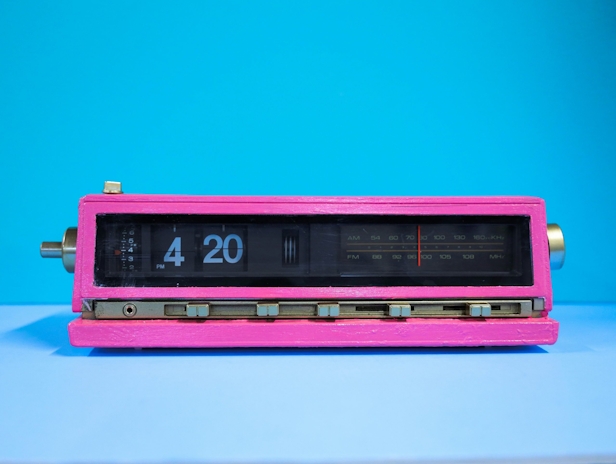
The Waldos agreed to meet every day at 4:20 p.m. — right after classes and sports practice — at the Louis Pasteur statue on campus. They’d smoke a joint, pile into a car, and drive out to Point Reyes to search for the hidden crop.
They never found it.
But the phrase stuck. What started as “4:20 Louis” got shortened to just “420,” and it became the group’s code word for anything cannabis-related. “Got any 420?” “Are we 420-ing after school?”
Why this story lasted
Part of the reason the Waldos story keeps winning out is that it’s not just a good story — it’s one with receipts.
- The Waldos preserved old letters and materials referencing 420.
- Journalists and cannabis historians kept circling back to the same evidence.
- Later coverage in High Times, TIME, and History helped lock the story into the broader culture.
The Waldos have since preserved postmarked letters and other artifacts from the 1970s that reference 420, evidence they later stored in a bank vault. When the Oxford English Dictionary officially added “420” as an entry in 2017, it cited early documentary use dating back to the 1970s. That doesn’t just make the story famous. It makes it unusually well documented for a piece of slang.
How 420 Spread From a High School to the Entire World
The Waldos’ inside joke might have stayed local if not for one crucial connection: the Grateful Dead.
One of the Waldos had a family connection to the Dead’s bassist, Phil Lesh, and members of the group began spending time backstage and at rehearsals. The term “420” spread naturally among the band’s circle and their massive, devoted fanbase — the Deadheads.
The turning point came on December 28, 1990, when a group of Deadheads in Oakland handed out flyers at a concert inviting people to “meet at 4:20 on 4/20 for 420-ing.” One of those flyers ended up in the hands of Steve Bloom, a reporter for High Times magazine. High Times later helped push the term into national and then global circulation.
Why the timing mattered
This part is easy to miss, but it helps explain everything:
- The term was catchy.
- The Grateful Dead scene already had a huge word-of-mouth network.
- High Times gave it a print megaphone right as cannabis culture was becoming easier to spread through magazines, then online.
High Times published the flyer in the early 1990s and began referencing 420 regularly. The magazine became the primary vehicle that carried the term from underground counterculture into mainstream awareness. By the late 1990s, the Waldos were widely credited as the originators. From there, the internet did the rest. By the early 2000s, 420 was a globally recognized symbol of cannabis culture.
Common 420 Myths — Debunked
Over the decades, several alternative origin stories have circulated. None of them hold up.
“420 is a police code for marijuana.” This is the most persistent myth, but there’s no evidence that 420 began as a standard police code for cannabis. In California, Penal Code Section 420 is unrelated to marijuana.
“There are 420 chemical compounds in cannabis.” This one sounds scientific, but it doesn’t match how people actually talk about cannabis chemistry today. Modern sources generally describe cannabis as containing hundreds of chemical compounds, including well over 100 cannabinoids, so the neat “420 compounds” claim doesn’t fit.
“It comes from Bob Dylan’s ‘Rainy Day Women #12 & 35’ because 12 × 35 = 420.” Creative math, but no. The Waldos’ story and documents are the reason the term stuck, not a retrofitted Dylan theory.
“April 20th was chosen because it’s the best day to plant cannabis.” This one falls apart pretty quickly too. Growing seasons vary by region, and the date makes sense because of the American shorthand: 4/20.
.
Why do these myths keep surviving
Part of the fun of 420 is that people want it to sound secret, coded, and a little magical. That’s probably why the myths never really go away.
Still, the real story is better:
- It’s weirder.
- It’s more specific.
- And it actually has a paper trail.
How 420 Is Celebrated Today
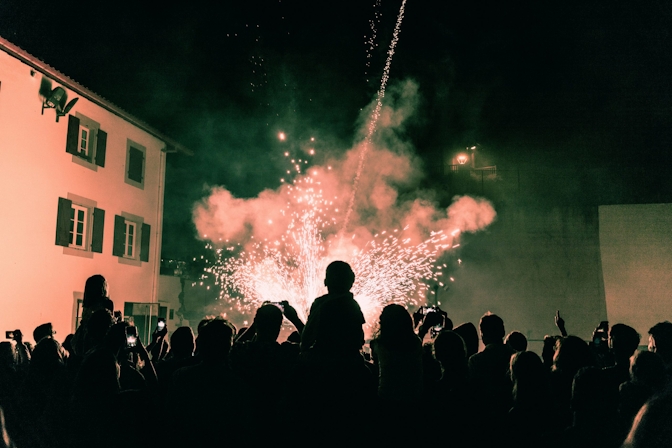
Photo by Iker Urteaga
What started as a meetup time for five friends has become the biggest annual event in cannabis culture. Here’s how people celebrate around the world.
Public Gatherings and Rallies
Every April 20th, large gatherings take place in cities around the world. San Francisco’s Hippie Hill in Golden Gate Park remains one of the most recognizable 420 gatherings, and cannabis regulators in legal states still use the day to remind consumers to buy from licensed retailers and celebrate responsibly. In California, the Department of Cannabis Control issued a 2026 reminder tied to 4/20 that emphasized safety and licensed purchasing.
These events are part celebration, part advocacy, and that mix is a big reason the day still matters. In many places, 420 is both a party and a public signal that cannabis culture is no longer hiding in the shadows.
Dispensary Deals and Events
If you’re in a legal state, 420 is the Black Friday of cannabis. Dispensaries often roll out some of their biggest promotions of the year, and it’s common to see:
- price drops on flower, vapes, edibles, and concentrates
- bundle deals and vendor pop-ups
- music, food trucks, and limited-edition product drops
That deal culture has become part of the holiday itself. For a lot of people, 420 now feels like equal parts celebration, shopping event, and annual tradition.
For the latest deals, check out Herb’s 420 Deals page.
420 Parties
You don’t need a big event to celebrate. Invite your closest friends, set up a strain tasting, queue up a stoner movie marathon, or throw a cannabis-infused dinner party with homemade edibles.
A few easy ways to make it feel more fun without overcomplicating it:
- Pick one theme, like cozy movie night or backyard smoke sesh.
- Keep snacks and water around.
- Make sure everyone has a safe ride home.
- If edibles are involved, label them clearly and go slow.
That’s really the modern 420 vibe in a nutshell: a little festive, a little nostalgic, and usually better when shared.
Music Festivals and Events
From the Cannabis Cup in Amsterdam to local 420-themed concerts, music has always been central to the celebration. Live events, brand activations, and community meetups keep showing up because 420 has always been about more than consumption; it’s also about culture, identity, and hanging out with people who get it.
Cannabis-Themed Food and Drink
Craft breweries, restaurants, and home cooks still find ways to make 420 feel extra. Edibles and infused dinners are a major part of the day for a lot of people, whether that means homemade gummies, a low-dose dessert, or just trying something new with friends.
For readers who want ideas, your existing internal links fit naturally here:
420 in Pop Culture
The number has embedded itself far beyond cannabis circles. That’s part of what makes 420 unusual: it’s slang, a holiday, a wink, and a piece of pop branding all at once.
- California Senate Bill 420 was a real 2003 law tied to the state’s medical marijuana framework.
- Elon Musk famously referenced 420 when he tweeted about taking Tesla private at $420 per share in 2018, and Twitter later announced its sale price to Musk at $54.20 per share in 2022.
- The Oxford English Dictionary added “420” in its September 2017 update.
- The phrase “420 friendly” is now common shorthand in dating profiles, rentals, and social settings.
Why pop culture kept it alive
420 stuck because it’s flexible. It can be a joke, a signal, a celebration, or a marketing hook depending on where you see it.
That’s why the number keeps popping up in places like:
- merch
- memes
- bill numbers
- stock-price jokes
- event promos
- usernames and bios
Once a slang term reaches that point, it’s no longer just counterculture. It’s part of the larger culture.
420 and Cannabis Legalization
April 20th isn’t just a celebration — it’s also been a catalyst for the legalization movement. Annual gatherings have long doubled as rallying points for reform, helping keep cannabis policy in public view.
The progress has been significant. The most reliable current legislative trackers still show 24 states, the District of Columbia, and three U.S. territories allowing or regulating adult non-medical cannabis use, while 40 states, three territories, and D.C. allow medical use of cannabis products. At the federal level, cannabis remains in Schedule I today, even though the Justice Department published a proposed rule in 2024 to move marijuana to Schedule III. That proposal is still working its way through the formal rulemaking and hearing process, so it has not taken effect yet.
What changed in the federal picture
This is the part that needs the biggest 2026 update. The federal conversation did move, but not all the way.
Here’s the cleaner version:
- The DOJ proposed moving marijuana from Schedule I to Schedule III in 2024.
- DEA hearing procedures followed after that proposal.
- In December 2025, President Trump signed an executive order focused on increasing medical marijuana and cannabidiol research.
- As of April 20, 2026, marijuana is still federally illegal and still listed in Schedule I unless and until that rulemaking is finalized.
Cannabis remains federally illegal, and transporting it across state lines is still a federal offense, even between two legal states. But the trajectory is still clear: what began as a code word among five high school friends in 1971 helped fuel a movement that changed laws, businesses, and public opinion across the country.
For a deep dive into the trivia and culture around the holiday, check out Herb’s 420 Trivia Questions and Answers.
Final Thoughts
420 started as an inside joke between five friends in 1971. More than 50 years later, it’s a globally recognized symbol of cannabis culture, a date on the calendar that millions celebrate, and a rallying point for the ongoing movement toward legalization. The slang survived because it was memorable. The holiday survived because people kept giving it meaning.
Whether you’re lighting up at 4:20 p.m. sharp, scoring deals at your local dispensary, or just enjoying the day with friends, the spirit of 420 is still the same: community, good vibes, and a shared love for the plant.
Happy 420.
Frequently Asked Questions
What does 420 mean?
420 (pronounced “four-twenty”) is a slang term for cannabis and cannabis culture. It can refer to the time of day, the date April 20, and more broadly to marijuana-friendly culture.
Where did 420 come from?
The best documented origin still points to the Waldos, a group of students at San Rafael High School in 1971 who used “420” as a code linked to their after-school meetup time. The term later spread through the Grateful Dead scene and High Times.
Is 420 a police code?
No. That’s one of the most common myths, but it isn’t supported by the historical record.
Why is April 20th "Weed Day"?
Because the date format 4/20 matched the time the Waldos used as their meetup shorthand, and later 4/20 gatherings helped turn it into an annual tradition.
What does "420 friendly" mean?
It usually means a person, space, or business is open to cannabis use or cannabis culture.
Is cannabis legal on 420?
The date itself doesn’t change the law. Local and state rules still apply on April 20, just like any other day. In the U.S., cannabis also remains federally illegal.
How many states have legalized recreational cannabis?
Current legislative trackers show 24 states, D.C., and three U.S. territories allowing or regulating adult non-medical cannabis use.
Has cannabis been moved to Schedule III yet?
No. A proposed federal rule to move marijuana to Schedule III has been published, but it has not been finalized as of April 20, 2026.
What's the best way to celebrate 420?
That depends on you. Some people go to public events, others chase dispensary sales, and plenty of people just keep it low-key at home. For ideas, check out Herb’s guide to 420 party ideas, the best strains to smoke on 420, and the cannabis recipe collection for 420.
Herb Recommended Products:
READ MORE