Delta 11 vs Delta 9: Key Differences Explained
One of these is the most studied cannabinoid on earth. The other is mostly a marketing term. Here's the honest comparison.
Rachel Abela
July 30, 2025
This article contains sponsored content. Some of the products featured are part of paid partnerships. This page explains how our process works.

herb
One of these is the most studied cannabinoid on earth. The other is mostly a marketing term. Here's the honest comparison.
July 30, 2025
The Delta 11 vs Delta 9 comparison is interesting. These two cannabinoids sit at opposite ends of everything that should inform a purchase. That includes how well they’re understood, how they’re made, how they’re regulated, and whether the label matches the contents.
Delta 9 is the compound behind essentially all cannabis research. Delta 11 is the newer arrival, with limited research in a market with a documented labeling problem.
That’s not a reason to dismiss it. It is a reason to shop differently.
Important: This article is for informational purposes only; not legal, medical, or professional advice. For adults 21+. Cannabinoid legality varies by state, and the federal hemp definition narrows in late 2026—verify your state’s laws and that the retailer ships to you before buying. Featured products are not FDA-evaluated and are not intended to diagnose, treat, cure, or prevent any disease.

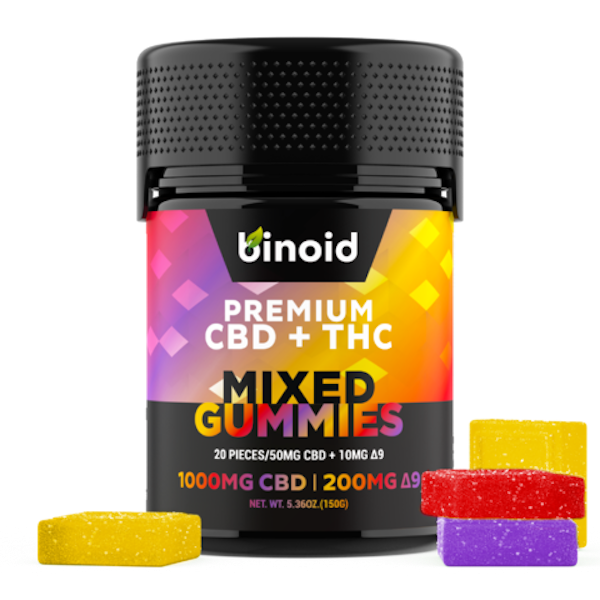
Binoid’s Delta 9 THC Gummies are built around a ratio most brands don’t attempt. 10mg of live resin Delta 9 paired with 50mg of CBD in every piece. That five-to-one balance produces a rounder, steadier experience than THC alone, which is exactly why they’ve stayed a catalog staple. Twenty gummies per bottle across five flavors, including Blue Razz and Mango Madness, at $30.99 down from $54.99. Code HERB25 takes 25% off.

herb
There are 5 major differences in the Delta 11 vs Delta 9 comparison. How each one is made, how strong they are, how much we know about them, where they stand legally, and how easy they are to find.
Start the Delta 9 vs Delta 11 breakdown with origin. Delta 9 is the primary psychoactive cannabinoid in the cannabis plant and occurs in significant quantities. Delta 11 appears in the plant only in trace amounts, if at all. That means commercial Delta 11 products are made by converting or synthesizing other hemp-derived cannabinoids rather than extracting it directly.
This matters in two ways. Conversion processes vary between manufacturers, so consistency depends entirely on who made it. And synthesized cannabinoids sit differently under federal law, which becomes a much bigger deal in late 2026.
So is Delta 11 stronger than Delta 9? No. Delta 9 is better established and more reliably potent. The claim that Delta 11 is three times stronger than Delta 9 traces back to research on 11-hydroxy-THC—a real and potent compound your body makes from Delta 9 when you eat it.
But 11-hydroxy-THC and Delta 11 are different molecules, so that potency data doesn’t transfer to Delta 11. The three-times figure is real; it’s just attached to the wrong compound.
Main differences between the two:
Asking “is Delta 9 stronger than Delta 11” also depends on how you take it. Consumption method changes the picture more than most people realize. Smoked or vaped, Delta 9 reaches the brain directly and works immediately. After being eaten, the liver converts a portion into 11-hydroxy-THC, which is stronger. That’s why edibles hit harder and last longer. Our breakdown of what happens in your liver when you eat edibles covers it.
The research gap is the biggest difference in the Delta 11 vs Delta 9 comparison. Delta 9 has decades of pharmacology behind it, summarised in resources like the NIH’s Delta 9 overview. Delta 11 has a comparatively tiny body of literature, most of it recent.
In all honesty, nobody can give you a reliable Delta 11 dose, duration, or side effect profile with confidence.
There’s a second problem in the Delta 9 vs 11 picture worth knowing about. A peer-reviewed analysis of five US THCJD vape products found no detectable THCJD in any of them, with delta-8 dominant in 4/5. That’s a different cannabinoid, but it shows a bigger market issue. Novel cannabinoid labels aren’t always backed by what’s in the product.
Now, the distinction causing the most confusion. On 11-hydroxy THC vs Delta 9, these are related but separate. 11 hydroxy-THC is a metabolite your body produces when it processes Delta 9 through the liver. Delta 11 THC is sold as a product and is usually synthesized. Retailers and articles use the terms interchangeably. They shouldn’t.
Hemp-derived Delta 9 under 0.3% by dry weight is federally legal under the 2018 Farm Bill. Delta 11 sells through the same framework but sits in a greyer area, since synthesized cannabinoids were never considered when that law was written. Our explainer on the Farm Bill loophole covers how that gap opened.
But the gap is closing. A law signed in November 2025 redefines hemp around total THC and excludes cannabinoids synthesized outside the plant. Most restrictions land in late 2026, with synthetics facing an earlier date. Commercial Delta 11 is squarely affected. We’re tracking it in our hemp ban coverage.
State law adds another layer, and several states already restrict novel cannabinoids regardless of federal status. Check yours before ordering either one.
On availability and price, Delta 11 vs Delta 9 isn’t close. Delta 9 wins, which surprises people given it’s the federally scheduled one.
The reason is the 0.3% threshold. Because it’s calculated by dry weight, a large gummy can carry a meaningful Delta 9 dose while staying compliant. That quirk built the entire hemp Delta 9 edibles category, which is why you’ll find gummies, beverages, and tinctures from dozens of brands.
On Delta 11 THC vs Delta 9 selection, Delta 11 shows up mostly in vapes and gummies from a smaller pool of brands. They usually sell at a premium and are often blended with other cannabinoids rather than sold alone. Combine that with the labeling concerns above, and authenticity becomes a real question for Delta 11.
Delta 9 is the safer bet on price, selection, and knowing what you’re getting. We’ve covered Delta 11’s reported benefits and effects and whether Delta 9 is synthetic separately.

herb
Note: Reviews referenced in this section come from third-party platforms and Binoid product pages, independent of Herb and unverified. Individual experiences may vary.
Whichever side of the Delta 11 vs Delta 9 question you land on, four things to check before buying:
Red flags: no lab documentation, vague blend names with no milligram breakdown, no contact information, and potency claims with no COA behind them.
Binoid clears these, and we’ve looked at whether their reviews can be trusted. Two Delta 9 products stand out:
Meet the everyday option, and the CBD ratio sets them apart. Each gummy pairs live resin Delta 9 with 5x as much CBD, producing a calmer, more grounded effect than THC alone.
One buyer confirmed the ratio does the work, writing that the high CBD-to-THC balance promotes a more relaxed high than THC alone. They were honest too, calling the mango delicious while flagging a strange aftertaste on mixed berry. Another picked Blue Razz as their favorite in the range.
Legality varies by state, and a narrower federal hemp definition is scheduled to take effect in late 2026; verify state laws before purchasing.
This demonstrates the dry-weight quirk better than any explanation could. It’s one gummy carrying 3,000mg of Delta 9 and over 20,000mg total cannabinoids. And yes, it’s Farm Bill compliant at 0.3% because it’s physically enormous. Binoid prints a serving guide on the packaging.
One reviewer said it isn’t just a novelty, rating the effects, taste, and potency high. But they added that an ingredient list would be helpful. Another called it the best gummy on the market. A third said showing up to a party with it makes you the star of the show.
Code HERB25 takes 25% off.
Important: Legality varies by state, and a narrower federal hemp definition is scheduled to take effect on November 12, 2026, so check current state and federal laws before buying.
herb
What is stronger, Delta 9 or Delta 11? Delta 9. But the full Delta 9 vs Delta 11 question comes down to what you can verify.
Delta 9 occurs naturally, has decades of research behind it, comes in more formats from more brands, and costs less. Delta 11 is often synthesized, backed by little research, sold at a premium, and made in a category with a labeling problem.
Neither is inherently better as a molecule. But in the Delta 11 vs Delta 9 matchup, only one lets you check your work.
Whichever you choose, buy from brands publishing batch COAs, read the cannabinoid breakdown rather than the blend name, and keep November 2026 in mind. Synthesized cannabinoids are directly affected by the upcoming hemp ban.
Code HERB25 takes 25% off at Binoid.
Origin. Delta 9 occurs naturally in cannabis in significant amounts, while commercial Delta 11 is typically synthesized or converted from other hemp cannabinoids. That single difference drives the research gap, the price gap, and the legal split.
No reliable evidence says it is. The popular three-times-stronger claim comes from research on 11-hydroxy-THC, a separate compound. Delta 9’s potency is verifiable; Delta 11’s largely isn’t.
Generally yes. On Delta 11 THC vs Delta 9 pricing, Delta 11 costs more because production is complex and fewer brands make it. Delta 9 benefits from scale.
No, and it’s the most common mix-up in the Delta 9 vs 11 conversation. 11 hydroxy-THC is a metabolite your liver produces when you eat Delta 9. Delta 11 THC is a separate compound sold as a product, usually made synthetically. Pharmacologically related, but not interchangeable.