karl callwood
Florida’s 2026 Weed Legalization Push Isn’t Dead Yet—Here’s Where Things Stand
State officials called it over. The campaign says otherwise. Here’s what’s actually happening with Florida weed in 2026.

Florida marijuana legalization is very much still a fight, even though state officials tried to close the book on it at the start of February. The situation is quite complicated: over $200 million has been spent, a signature deadline was declared missed, and the campaign behind adult-use cannabis is now battling the state in court.
If you’re trying to figure out what’s happening and what it means for you as a consumer, here’s the full picture.
What Just Happened With Florida Marijuana Legalization?
Adobe Stock | Postmodern Studio
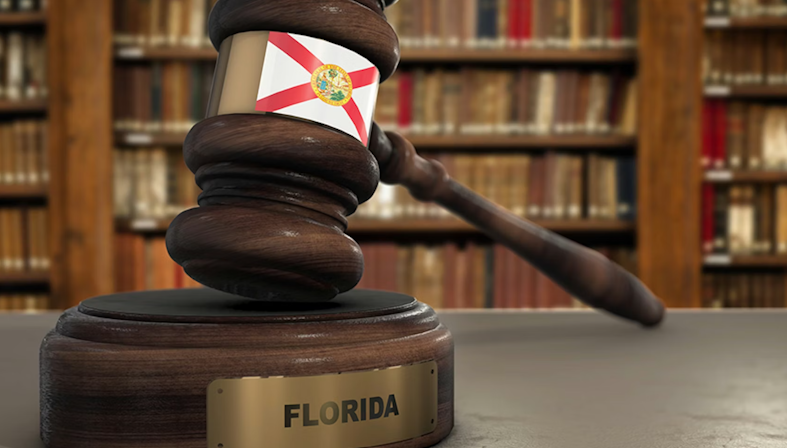
The short version: Florida’s Secretary of State announced on Feb. 1 that every single citizen-proposed constitutional amendment for 2026 failed to qualify—including the one that would have legalized adult-use cannabis. The campaign behind it said that the announcement was premature. Both sides are digging in.
Florida’s Ballot Initiative Process, Briefly Explained
Getting a constitutional amendment on the Florida ballot requires collecting signatures from 8% of voters in the most recent presidential election. For this cycle, that number was 880,062 verified signatures from registered voters, due by Feb. 1.
According to the Florida Division of Elections, Smart & Safe Florida, the political committee driving Florida marijuana legalization, had 783,592 verified signatures in the state’s system by the deadline. That’s roughly 96,500 short of what they needed.
If the amendment had made the ballot and passed, adults 21 and older would be allowed to possess up to 2 ounces of cannabis or 5 grams of concentrate for personal, non-medical use. The campaign also included provisions for licensed adult-use businesses separate from the existing medical system.
Note: The Division of Elections page currently lists this initiative’s election year as 2028, which may reflect an updated status since these events.
Sollange Brenis
Is Recreational Marijuana Legal in Florida Right Now?
Is recreational marijuana legal in Florida? Not even close. Florida is a medical-only state, and has been since voters approved the medical marijuana program in 2016. It’s also the largest medical-only cannabis market in the country—Trulieve alone operates 163 dispensaries across the state, which tells you how much demand exists and how much commercial pressure is behind the push to expand access.
But is medical marijuana legal in Florida? Yes, for registered patients. But if you’re not a card-carrying patient, recreational possession is still illegal. None of what’s happening in the courts changes that right now. The only thing a ballot initiative would do is give voters the chance to change it in November—and right now, that vote isn’t guaranteed to happen.
The 2024 version of this effort came closer than most people realize. Amendment 3 received 56% voter support, which sounds like a clear win. But Florida requires a 60% supermajority for constitutional amendments to pass, so even with majority support, it fell short. That’s the bar the campaign needs to not only reach, but clear.
Why the Campaign Says It’s Not Over

Adobe Stock
The core of the campaign’s argument is simple: the state’s verified signature count doesn’t reflect reality. And they have some evidence to back that up.
The Signature Dispute
Smart & Safe Florida submitted over 1.4 million raw signatures. The state’s system showed 783,592 verified. The campaign’s position is that county-level verification totals, compiled by 67 individual county supervisors of elections, don’t match what the state’s Division of Elections website was showing.
This isn’t just a talking point. A Leon County circuit judge ruled in January that Secretary of State Cord Byrd had violated his statutory duty under Florida law to provide weekly updates on the running signature count.
The evidence was hard to ignore: the state’s verified total had sat frozen at 675,307 for nearly two months, from late November through January 22. After the court ruling, the count jumped to 714,888 on Jan. 23, climbed to 760,002 on Jan. 26, and finally landed at 783,592 on Feb. 1.
The campaign argues those updates still don’t capture the full picture.
According to reporting from MJBizDaily, a campaign spokesperson said the final county-by-county totals hadn’t been fully reported yet, and that a complete count would show enough verified signatures to qualify.

Smart & Safe Florida
The Legal Fights Stacking Up
The signature dispute is just one front. As Cannabis Business Times reported, a three-judge panel from Florida’s 1st District Court of Appeal ruled on Jan. 23 to throw out over 70,000 signatures. That batch included petitions collected by non-residents and signatures from voters the state classified as “inactive.”
Smart & Safe Florida immediately filed an emergency motion asking the full 12-judge panel to rehear the case. Their argument: inactive voters are still legally allowed to vote on an amendment in Florida.
Throwing out their signatures while counting their votes is a direct contradiction.
As campaign general counsel Glenn Burhans Jr. put it in the filing, “an inactive voter can vote on the amendment, but their petition will not count towards placing the measure on the ballot.”
Beyond that ruling, a separate Leon County decision in November allowed the state to discard around 200,000 additional signatures because the petitions didn’t include the full text of the constitutional amendment.
The campaign chose not to appeal that decision. New election laws signed by Gov. DeSantis also created friction on the ground—roughly a dozen signature canvassers were arrested in January for alleged violations of those new restrictions.
Those laws are currently being challenged in court.
Getty Images
The DeSantis Factor
Florida marijuana legalization has faced opposition from the top of the state government since this fight began.
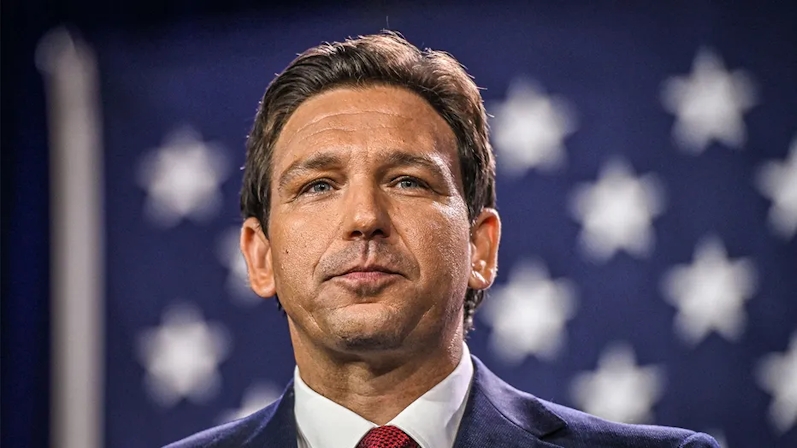
DeSantis has been openly and consistently against adult-use cannabis and has made no effort to hide it.
The Attorney General, a former DeSantis chief of staff, expanded an election fraud probe to every county in the state. State officials have contested signatures, challenged canvassers, and passed new election laws that created direct friction for the campaign.
The reason this matters beyond just DeSantis personally: with Republicans in firm control of the state legislature and a governor who actively opposes legalization, a ballot initiative is the most realistic path forward give Republican control. No plausible legislative route exists in the near term.
If the courts shut down the campaign’s challenges, the Florida cannabis market would likely stay medical-only for the 2026 cycle, with 2028 as the next realistic ballot window.
What Happens Next—And What It Means for Florida Weed
Denys kostyuchenko
Even if the campaign wins in court, the math is still tight.
Recovering the 70,000+ disqualified signatures would be a major legal victory, but the campaign would still need roughly 26,000 additional locally verified signatures to appear in the state’s total. That’s a lot of pieces that all have to fall the right way.
The campaign needs wins on multiple fronts at once: the full 12-judge panel rehearing at the 1st District, the state’s verified count catching up to county-level totals, and potentially a Florida Supreme Court appeal if the lower court doesn’t go their way. Any one of those battles going poorly makes the others harder.
As of late February 2026, this is still an active legal situation. Nothing is settled. Florida marijuana legalization remains technically alive, but the path is narrow and getting more complicated with each passing week.
The financial stakes make it easier to understand why the campaign is fighting this hard rather than folding. Trulieve, Florida’s biggest medical cannabis operator with 163 dispensaries, has put over $52 million into the 2026 effort.
That’s on top of more than $145 million they poured into the failed 2024 amendment. Total investment in Florida legalization: over $200 million and counting.
The reason the money keeps coming is obvious when you look at the broader market.
Florida’s medical program is already massive. But patient growth has been slowing, and adult-use would open the market to millions of non-patients. For companies like Trulieve, whether Florida legalizes marijuana isn’t just a policy question—it’s a business survival question.
The Bottom Line
Shutterstock
Here’s where things stand. Recreational weed is not legal in Florida today. The campaign to put it on the 2026 ballot hit the deadline with fewer verified signatures than the state required, and officials declared it over. The campaign disagrees, has evidence that the state’s count wasn’t accurate, and is fighting in court to change the outcome.
Whether they win matters beyond Florida. If a majority-popular legalization effort can be blocked through signature disputes, new election laws, and executive opposition, it raises real questions about how durable the ballot initiative process is as a tool for cannabis reform in states with hostile governments. If they do win—and it’s not impossible—it resets the table and puts a legalization vote back in front of Florida voters in November.
For now, Florida marijuana legalization is unresolved, and what happens next in the courts will tell us a lot about where this goes.
The Herb Community

lance asper
For more than a decade, Herb has been a gathering place for people who love, use, and are simply curious about cannabis. What started as a small corner of the internet has grown into a community where millions come to learn, share, and stay connected to the culture.
Here’s what you can tap into at Herb:
- Learning hub and guides that break things down clearly, from growing weed outdoors to understanding how terpenes impact your high
- News hub that spotlights the latest cannabis culture and policy shifts
- Dispensary directory to help you find licensed shops in your local area
- Monthly strain picks, featuring rotating Indica, Sativa, and Hybrid favorites
- Deals page, updated monthly with the best cannabis discounts available online
Stay connected with the Herb community by subscribing to our newsletter, following us on Instagram, and X for the latest in cannabis lifestyle and culture.
Herb Recommended Products:
READ MORE