List of Baseball Players Who Smoke Weed
Comprehensive data on MLB's cannabis revolution and the players leading the change
Herb
January 10, 2026
This article contains sponsored content. Some of the products featured are part of paid partnerships. This page explains how our process works.

Pixabay / Pexels
Comprehensive data on MLB's cannabis revolution and the players leading the change
January 10, 2026

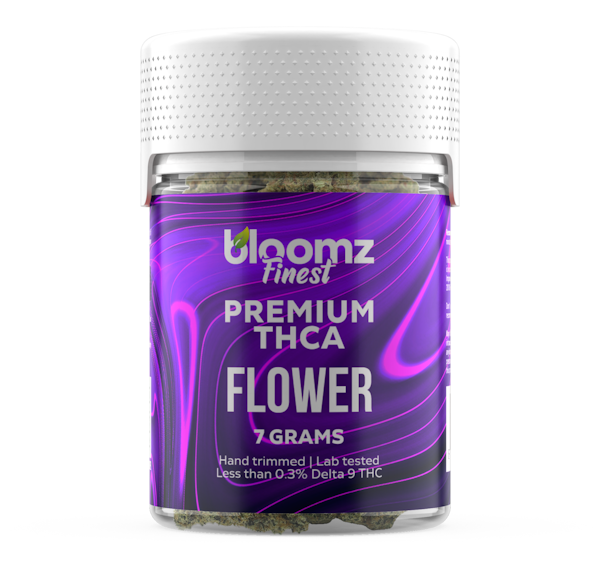
Whether you’re winding down after a pickup game or watching from the couch, having good flower makes it even better. Bloomz THCA Flower is available in a wide selection of indica, sativa, and hybrid strains.
Choose from Biscotti, Slurry, Tropicana Cherries, Super Runtz, Mimosa, Gary Payton, Animal Face, Rainbow Gas, Pablo’s Revenge, and more.
Each batch is independently lab-tested, pesticide-free, and offered in 3.5g, 7g, or 28g quantities. Orders ship discreetly with free shipping, so stocking up is simple. Between the strain variety and multiple size options, there’s something for just about everyone.

jose francisco morales

Dock Ellis
Dock Ellis is renowned for pitching a no-hitter while under the influence of LSD, yet he was open about using cannabis throughout his MLB career. His candid advocacy helped future conversations around social justice and drug policy in baseball.

Bill “Spaceman” Lee
Bill Lee, Boston Red Sox pitcher, openly consumed cannabis in the 1970s, becoming a key figure in shifting the narrative around marijuana in professional sports. His public stance also addressed broader drug policy and social justice issues.

bernie carbo
Bernie Carbo hit a legendary World Series pinch-hit home run while under the influence, and his honesty revealed the prevalence of substance use among players of his time. Carbo’s admissions offered a new perspective on performance and recovery in baseball.

joel zumaya
Joel Zumaya, former Detroit Tigers pitcher, switched from daily heavy Advil use to vaporized cannabis to manage pain and sleep better during his career. His story highlights athletes’ search for safer recovery solutions.

Ezra Shaw Getty Images
Tim Lincecum, two-time Cy Young Award winner, was cited for marijuana possession in 2009 but continued performing at an elite level with little interruption. His experience exemplifies changing perceptions and policies around cannabis in MLB.

Jamie Sabau/Getty Images
Jeremy Jeffress endured multiple suspensions for marijuana use in the minors but went on to become an MLB All-Star. His journey underscores failures of past policies and the therapeutic role of cannabis for health conditions.

josh hemsley

chris chow
The traditional post-game beer cooler now sits largely untouched in MLB clubhouses, replaced by wellness-focused alternatives. One National League reliever stated: “Once my weed consumption went up, my ERA went down.” This shift reflects broader American trends where 54% of U.S. adults report they drink alcohol (at a record low), and players seek recovery without hangover effects.
Cannabis offers physical recovery benefits without the dehydration, sleep disruption, and next-day impairment associated with alcohol consumption. Many players view marijuana as a performance-enhancing recovery tool rather than merely recreational. This generational shift represents a fundamental change in baseball clubhouse culture, moving from alcohol-centered social bonding to individualized wellness approaches.
Red Sox legend David Ortiz entered the cannabis market with his “Papi Cannabis” brand and “Sweet Sluggers” blunts, representing the first wave of MLB celebrity cannabis entrepreneurship. His brand launched in Massachusetts in 2022, with distribution centered on the Massachusetts market.
Ortiz’s entry into the cannabis industry leverages his baseball heritage to provide cultural legitimacy to cannabis products in a state where he remains a beloved sports icon. His brand focuses on quality products that appeal to both baseball fans and cannabis consumers. This demonstrates how retired players are using their fame to normalize cannabis in mainstream sports culture and build successful business ventures in the growing legal cannabis market.
Unlike previous eras where players frequented bars and clubs, modern stars avoid public intoxication due to camera phones and social media scrutiny. Cannabis offers private decompression that doesn’t generate embarrassing viral content, making it more appealing than public bar culture for today’s athletes.
Players are acutely aware that any public behavior can be instantly documented and shared globally, creating strong incentives for private relaxation methods. This technology-driven shift has made at-home cannabis consumption more attractive than traditional nightlife, where players risk reputation-damaging photos or videos. The privacy afforded by cannabis use allows athletes to decompress without the public relations risks associated with bar and club appearances.

mike bowman
For baseball players and athletes seeking similar recovery benefits, Herb’s products catalog offers a curated selection of topicals, oils, and CBD products designed for post-workout recovery. Whether you’re interested in indica strains for relaxation or CBD-dominant products for inflammation management, Herb’s strain guides and product database can help you discover options that align with athletic recovery protocols.
No, MLB removed natural cannabinoids from its banned substance list on December 12, 2019. Cannabis is now treated similarly to alcohol—permitted for responsible adult use without routine testing. Players are not tested for marijuana, THC, or CBD. However, players can still be disciplined for impairment during games, practices, or team activities, and synthetic cannabinoids remain prohibited. This policy applies to both major and minor league players.
Several players have openly discussed cannabis use, including Joel Zumaya (pain management and sleep aid), Tim Lincecum (possession citation), and Jeremy Jeffress (multiple suspensions and medical use). Bernie Carbo admitted to being under the influence during his historic 1975 World Series home run. Legendary figures like Bill “Spaceman” Lee were openly counterculture and discussed their cannabis use in the 1970s.
Since 2020, minor leaguers have not been tested for marijuana following the December 2019 policy change. The testing disparity that previously existed between major and minor league players was eliminated. Like MLB players, minor leaguers can still be disciplined for impairment at work or unlawful conduct. The policy change ended the career-threatening suspensions that previously affected minor league players for marijuana use.
MLB officially removed marijuana, THC, and CBD from its banned substance list on December 12, 2019. This change was directly influenced by pitcher Tyler Skaggs’s opioid overdose death earlier that year. The league simultaneously began testing for opioids and other dangerous substances. The policy recognized cannabis as a safer alternative to opioids for pain management and recovery. This represented one of the most significant drug policy reforms in professional sports history.
As of 2024–25, the NCAA has moved to remove cannabinoids from its banned drug classes and is ending cannabis testing at NCAA championship events. This represents a major policy shift from previous years when cannabis was strictly prohibited. Athletes should verify their specific division and school policies, as implementation may vary. State laws regarding cannabis also continue to apply to college athletes. The NCAA’s policy change reflects evolving attitudes toward cannabis in collegiate athletics and aligns more closely with professional sports policies.
While specific strain preferences aren’t widely documented, players like Joel Zumaya have mentioned using vaporized cannabis for pain management and sleep. Generally, athletes seeking recovery benefits tend to prefer indica-dominant strains for relaxation and nighttime recovery. CBD-dominant varieties are popular for inflammation management without strong psychoactive effects. Players focused on recovery typically avoid high-THC sativa strains that might increase alertness rather than promote rest. Herb’s strain guides help explore varieties similar to what athletes use for relaxation and recovery.