This article contains sponsored content. Some of the products featured are part of paid partnerships. This page explains how our process works.

herb
The Strawberry Cough Strain: Origin, Effects, Terpenes, and the Legend Behind It |
06.09.2026The Strawberry Cough Strain: Origin, Effects, Terpenes, and the Legend Behind It
Long before dessert strains took over, Strawberry Cough stood out for one reason: it smelled like fresh strawberries. Meet one of the most influential sativas ever grown.

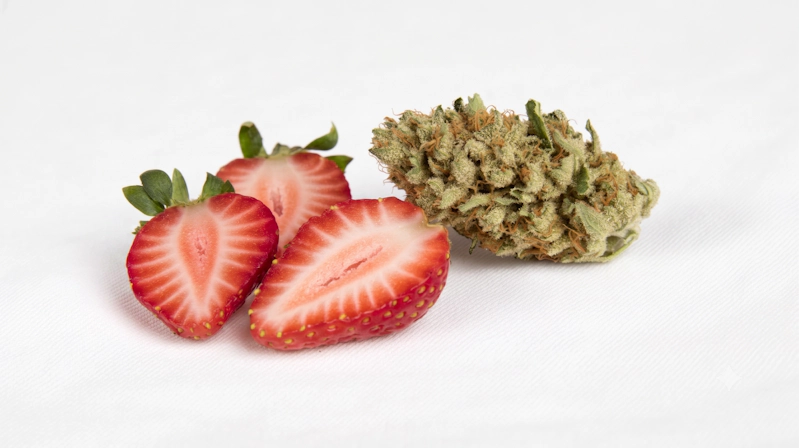
Bred from Strawberry Fields and Haze genetics, Strawberry Cough is an 80/20 sativa-dominant hybrid most closely tied to breeder Kyle Kushman, who brought it to the mainstream in the late ’90s. The aroma is exactly what the name promises—ripe, fresh strawberries with earthy herbal undertones and a floral sweetness driven by a terpene profile rich in myrcene, pinene, and caryophyllene.
With THC levels typically landing between 18% and 24%, you can expect euphoric mental clarity, creative energy, and a talkative sociability that keeps you functional throughout the day. Perfect for daytime use or powering through a creative project, Strawberry Cough is reported to be a go-to for users managing stress and anxiety, with its caryophyllene content frequently credited for its calming edge at moderate doses. Just be ready for the smoke — thick, expanding, and almost guaranteed to make you cough. That part comes with the territory.
Want to try Strawberry Cough in a newer format? Binoid put the strain into one of the first true Delta 10 vape cartridges on the market. Their Delta 10 THC Vape Cartridge – Strawberry Cough blends premium Delta 10 with 92% Delta 8 THC and Strawberry Cough terpenes. So you get the uplifting mental buzz Delta 10 is known for, balanced against Delta 8’s body relaxation. The strain’s sweet berry flavor carries through, and the effects lean focused, smiley, and energetic, right in line with the flower version. Real Delta 10 carts are still rare finds, which makes this one worth a look. Shop the Strawberry Cough Delta 10 cartridge at Binoid.

Quick Facts: Strawberry Cough Strain
HERB
- Strain Type: Sativa-dominant hybrid (80% sativa / 20% indica)
- Genetics: Strawberry Fields × Haze
- Breeder: Most closely associated with Kyle Kushman, who brought the strain from New York to California in the late 1990s; original breeder unknown
- THC: 18–24%, with some modern cultivated phenotypes testing higher
- CBD: Under 1% in most batches
- Terpene Profile: Myrcene (dominant), pinene, caryophyllene, terpinolene (present in some phenotypes)
- Aroma and Flavor: Ripe fresh strawberry on the nose, earthy herbal undertones, floral sweetness, with a peppery spice on the exhale
- Effects: Euphoric mood elevation, creative energy, clear-headed focus, sociability, and light body relaxation without sedation
The Origin Story: A Mystery That Became a Legend

herb
The Strawberry Cough strain lineage is weirdly hard to pin down. And that’s not a bad thing.
Most versions of the story start somewhere in the Northeastern United States during the ‘90s.
An unnamed home grower supposedly discovered or bred a plant near a strawberry field. The flower smelled shockingly different from the cannabis people were used to at the time. Kyle Kushman eventually got his hands on the strain and brought it from New York to California.
Later, he shared cuts with the popular cannabis seed bank Dutch Passion. But the company released seed versions with lineage descriptions that didn’t fully match Kushman’s account. That created years of debate around the strain’s true genetics. But honestly, what matters here is the cultural impact.
Before Strawberry Cough, flavor was usually treated as a bonus. Potency came first. This strain helped shift that mindset. It showed people that terpene expression could be the main attraction, and that influence is everywhere now.
Strawberry Cough Strain Genetics and Lineage

funwithdizzies
The most widely accepted Strawberry Cough strain lineage is Strawberry Fields × Haze. That pairing makes sense once you smoke it.
Strawberry Fields is believed to be the flavor source. According to the legend, it may have even been grown near actual strawberry fields, which only added to the mythology.
Haze brings the energy. Classic Haze genetics are known for cerebral effects, mental stimulation, creativity, and long-lasting daytime highs. That side of the family is responsible for Strawberry Cough’s strong sativa personality.
Strawberry Cough Strain Terpenes

ndispensable
Strawberry Cough strain dominant terpenes include myrcene, caryophyllene, pinene, and terpinolene. This terpene profile explains almost everything people love about this cultivar.
Myrcene is usually listed as the dominant terpene in Strawberry Cough. It brings earthy, herbal, musky notes that sit underneath the sweeter strawberry aroma. More importantly, myrcene helps soften the edges of the high. Without it, the Haze side could feel much racier. Instead, Strawberry Cough tends to feel mentally active while still staying relatively smooth and functional.
Caryophyllene adds peppery spice and subtle warmth on the exhale. It’s also one of the few terpenes known to interact directly with CB2 receptors, which is why it’s often associated with anti-inflammatory and stress-relieving effects. This matters because the Strawberry Cough strain terpene profile is frequently linked to anxiety relief in smaller doses. A lot of that likely comes from the combination of caryophyllene and myrcene working together.
Pinene brings freshness. Think pine needles, herbs, and clean forest air. In Strawberry Cough, pinene helps sharpen the mental effects and contributes to the strain’s clear-headed feel. That lines up with how many people describe the strain: energetic, focused, social, and mentally present.
Terpinolene, present in some Strawberry Cough cultivars, might be the real star of the show. Terpinolene has a sweet, herbal, floral quality that is consistently present in old-school sativas. Some connoisseurs argue it’s one of the key reasons authentic Strawberry Cough smells like real strawberries.
Properly grown Strawberry Cough has a ripe, floral berry aroma. The interplay between terpinolene, myrcene, pinene, and fruit creates that signature smell. And if growers rush the drying or curing process, the whole thing falls apart. That’s why truly great Strawberry Cough is harder to find than people think.
Strawberry Cough Strain Effects and What to Expect

bobby
The Strawberry Cough strain effects hit fairly quickly. Usually behind the eyes first, then mentally. A good Strawberry Cough strain review almost always mentions the same things:
- Euphoric mood
- Creative thinking
- Energy without panic
- Clear-headed focus
- Talkative social effects
- Functional daytime high
The body effects stay relatively light. You’ll usually feel some physical relaxation thanks to the myrcene content, but not the heavy couch-lock you get with some indicas. That’s why the Strawberry Cough cannabis strain effects tend to work best earlier in the day.
Another interesting part of the experience is the duration. Strawberry Cough doesn’t always test insanely high for THC. But the effects often last longer than people expect. That’s a good reminder that terpene quality still matters more than raw THC percentages alone.
As for the cough? It’s real. The smoke expands aggressively on the inhale. It’s basically part of the identity now. That’s also why many people prefer a Strawberry Cough strain vape instead of combustion. Vapor tends to preserve the flavor while softening the throat hit.
Who might enjoy the Strawberry Cough strain the most:
- Creative users
- Social smokers
- Daytime consumers
- People who enjoy old-school sativas
- Anyone prioritizing flavor over raw potency
Who should probably skip the Strawberry Cough strain:
- Heavy nighttime users
- Consumers chasing maximum THC numbers
- Those who are highly sensitive to stimulating sativas
And while Strawberry Cough can deliver anxiety relief at lower doses, large amounts can become overwhelming for some people. Dose matters.
Strawberry Cough Strain Growing Tips

crystalweed
The good news about the Strawberry Cough weed strain is that it’s relatively forgiving to grow. It’s generally a beginner-friendly grow compared to many older sativa genetics.
The plant naturally grows bushy and resilient with decent mold resistance and good pest tolerance. Indoors, most plants stay around 3–5 feet tall, although the Haze side can cause noticeable stretch during flowering.
- Temperature: 70–85°F (21–29°C)
- Veg humidity: 40–60%
- Flower humidity: 40–50%
- Flowering time: Around 9 weeks indoors
- Outdoor harvest: Early October in warmer climates
Typical yields produce around:
- 400–500g/m² indoors
- 600g+ per outdoor plant in ideal conditions
Low-stress training works especially well here because the natural branching structure already fills space nicely without aggressive topping. But here’s the part growers stress most: Protect the terpenes. The strawberry aroma is delicate. Rush the drying process, and you lose the magic that made Strawberry Cough famous in the first place.
- Dry slowly at 60–70°F
- Maintain 50–60% relative humidity
- Dry for 7–14 days
- Cure in glass jars for at least 2–3 weeks
When it comes to Strawberry Cough strain seeds, authentic clone cuts remain highly sought after, but they’re difficult to source. Seed banks offer feminized versions, although phenotype variation is common. That means terpene expression can vary a lot from seed to seed.
Some phenotypes lean hazier. Some lose the berry expression entirely. Growers often need to phenotype hunt to find standout plants that truly capture the original character.
Nutrient-wise, Strawberry Cough is a moderate feeder and relatively low-maintenance. Organic soil is preferred because it tends to preserve the terpene profile better than aggressive synthetic feeding schedules.

jeff w
Frequently Asked Questions
What is the Strawberry Cough strain?
The Strawberry Cough strain is a sativa-dominant hybrid. It’s best known for its strawberry aroma, energetic cerebral effects, and legendary clone-only history.
Is Strawberry Cough indica or sativa?
Strawberry Cough is generally considered an 80% sativa / 20% indica hybrid. The effects lean heavily toward uplifting, creative, and daytime-friendly sativa territory.
What are the effects of the Strawberry Cough strain?
Common Strawberry Cough strain effects include euphoria, creativity, focus, sociability, mental clarity, and light body relaxation without strong sedation.
What terpenes are in Strawberry Cough?
The most commonly reported Strawberry Cough strain terpenes are myrcene, caryophyllene, pinene, and terpinolene.
Why does Strawberry Cough make you cough?
The smoke is known for expanding heavily in the lungs during inhalation. That intense expansion effect is part of why the strain earned its name.
What is the THC level of Strawberry Cough?
The Strawberry Cough strain lineage THC level usually falls between 18% and 24%. Although some modern cuts test higher depending on cultivation methods and phenotype selection.
Where can I find Strawberry Cough seeds?
Many seed banks sell Strawberry Cough strain seeds. Just remember that authentic terpene-rich phenotypes can vary significantly from breeder to breeder.
The Herb Community

herb
For more than a decade, Herb has been a place for people who genuinely care about cannabis culture. Not just the trends. The history too. And Strawberry Cough absolutely deserves that kind of attention. This strain helped shift cannabis toward flavor-first breeding and terpene awareness long before that became industry standard.
Here’s what you’ll find inside the Herb community:
- Learning hub and guides that explain things clearly, from terpenes to growing techniques
- News hub covering culture, legalization, and industry shifts
- Dispensary directory for finding licensed retailers near you
- Monthly strain picks across indica, sativa, and hybrid categories
- Deals page, updated monthly with new discounts
Stay connected with the Herb community by subscribing to our newsletter, following us on Instagram, and X for the latest in cannabis lifestyle and culture.
Herb Recommended Products:
READ MORE