
ashley roe
10 Best Strains High in Caryophyllene for a Peppery, Grounding High
The only terpene that directly binds to your endocannabinoid receptors. Yes, really. Here’s the science and the top strains.

Strains high in caryophyllene have an advantage over every other strain.
Caryophyllene stands out because it is the best-known cannabis terpene to directly bind and activate CB2 receptors, which may give it distinct anti-inflammatory potential compared with most other terpenes.
Most terpenes in cannabis contribute to effects through aroma or what’s known as the entourage effect. Beta-caryophyllene activates the same receptors as your body’s own endocannabinoids.
The FDA also classifies beta-caryophyllene as Generally Recognized as Safe (GRAS). You’ve already been eating it in spice blends and citrus oils for years.
A quick chemistry note before we go deeper.
There’s an alpha-caryophyllene and a beta-caryophyllene. Alpha-caryophyllene is what most people now call humulene—the terpene from hops. When cannabis culture talks about “caryophyllene strains,” we’re almost always talking about beta-caryophyllene, the peppery one.
The labels were separated for historical reasons. Alpha-caryophyllene was originally identified in Humulus lupulus (the hop plant), and the name “humulene” stuck. They’re structural cousins with different effects. Beta is the focus here.
Below, you’ll find a real explanation of why high caryophyllene strains don’t hit the same. We’ve also included the 10 best caryophyllene strains worth seeking out in 2026, and FAQs to answer your questions.
Do All High Caryophyllene Strains Feel the Same?

2hmedia
Short answer: No, and the reason is everything else in the terpene profile.
Caryophyllene’s reported effects in cannabis include grounding calm, anti-inflammatory support, anxiety relief, and a slight cerebral lift. The peppery, spicy character—black pepper, clove, sometimes a touch of fuel—is the unmistakable signature. But two strains can both be caryophyllene-dominant and still feel completely different to the smoker. The lead terpene determines the foundation. The supporting cast determines the personality.
Caryophyllene also gets paired with humulene quite commonly. The two terpenes share the same molecular formula and a near-identical structure, so they’re biosynthetically related.
If a Certificate of Analysis (COA)—the lab report that lists cannabinoid and terpene content—shows high caryophyllene, it often shows meaningful humulene right alongside it. Treat them as a duo when reading lab results.
Here’s the framework for understanding how the secondary terpenes shift the experience.
Strains High in Caryophyllene and Limonene
Limonene’s mood-lifting, anti-anxiety properties pair with caryophyllene’s grounding calm to deliver a balanced, daytime-functional experience. The combination tends toward “happy productivity”—anxiety relief without sedation, mood lift without overstimulation. Strains high in caryophyllene and limonene are the most reliably daytime-friendly in the broader caryophyllene category.
Strains High in Caryophyllene and Myrcene
Myrcene amplifies the body-relaxing side of caryophyllene and adds physical heaviness. Strains high in caryophyllene and myrcene tend toward sedation—best for pain management, evening relaxation, and sleep onset. The combination is also the most common in heavy indica genetics, particularly the Kush family. When myrcene leads and caryophyllene supports, the result is one of the more therapeutic profiles out there.
Strains High in Caryophyllene and Pinene
Pinene’s cognitive-clarity properties counterbalance caryophyllene’s body-forward calm. Strains high in caryophyllene and pinene tend toward “alert relaxation. Expect a mental sharpness paired with the grounding, anti-inflammatory benefits. Best for daytime use when you need to stay focused but also want the calming effect.
Strains High in Caryophyllene and Linalool
Linalool’s anxiolytic, sedating properties stack with caryophyllene to produce one of the most anxiety-targeted experiences in cannabis. Strains high in caryophyllene and linalool tend to be reliable sleep aids. Both terpenes contribute to anxiety reduction, and the combined effect is more pronounced than either alone.
Strains High in Caryophyllene and Humulene
The structural cousins almost always appear together. The combination amplifies the anti-inflammatory and pain-relief properties of both terpenes. Both contribute through cannabinoid-receptor pathways. Caryophyllene acts through CB2 directly, and humulene acts through the entourage effect. Best for pain management and physical recovery.

herb
Other Factors Worth Knowing
Three things shape the caryophyllene experience beyond the terpene profile.
Potency: High caryophyllene at lower THC (15–18%) tends to produce gentler, more functional calm. Push the THC above 25%, and the caryophyllene’s grounding effect can get overwhelmed by the THC intensity.
Genetics: The OG Kush family, the Cookies family, and the Kush lineages produce the most consistently caryophyllene-forward expressions. Most strains with high caryophyllene content trace back to one of these three foundations.
Cultivation and Curing: Caryophyllene is more heat-stable than most terpenes. It survives storage and curing better than terpinolene or pinene. That said, a poorly cured bag of even the most reliable strain will underperform. Recently tested COAs from current batches are the best signal.
Top 10 Strains High in Caryophyllene (2026)
These picks are selected for caryophyllene content and delivering that peppery, grounding character.
Always remember that caryophyllene content varies from batch to batch based on cultivation, harvest timing, and curing. Even famous strains can underperform if grown or stored poorly. The COA on the specific jar you’re considering is more reliable than the strain reputation alone.
1. Original Glue (GG4)
Theory wellness
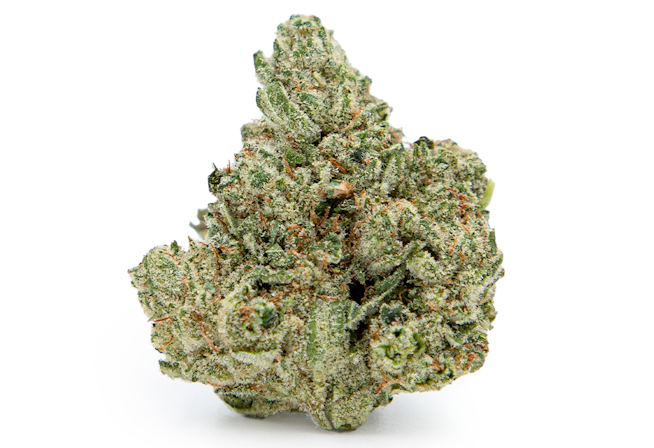
The strain that took home the 2014 Cannabis Cup and helped define modern American cannabis. Original Glue (formerly known as Gorilla Glue #4) is a Chem’s Sister × Sour Dubb × Chocolate Diesel cross. It has an absolutely absurd trichome density and one of the most reliable caryophyllene profiles in commercial cannabis. The flavor leads with diesel and pine, with the characteristic peppery caryophyllene exhale. Effects are heavy, body-forward, and famously couch-locking. Original Glue earned its name because it sticks you to the couch.
- Potency: 25–32% THC
- Strain type: Hybrid (balanced)
- Genetics: Chem’s Sister × Sour Dubb × Chocolate Diesel
- Terpene profile: Caryophyllene, Limonene, Myrcene
- Flavor profile: Diesel, pine, peppery, mild chocolate
- Typical effects: Heavy body, euphoric, relaxed, sedating
- Average price per gram: $14–$22
2. Sour Diesel

lightshade
Sour Diesel doesn’t always get cited as a caryophyllene strain because the limonene tends to lead the conversation. But check the COAs across multiple cultivators, and caryophyllene shows up consistently as a primary or near-primary terpene. The Chemdawg 91 × Super Skunk lineage produces one of the most recognizable Sativa profiles in cannabis. It’s energetic, fast-acting, mood-lifting—with the caryophyllene grounding the core cerebral lift.
- Potency: 19–25% THC
- Strain type: Sativa-dominant
- Genetics: Chemdawg 91 × Super Skunk
- Terpene profile: Caryophyllene, Limonene, Myrcene
- Flavor profile: Diesel, sour citrus, peppery, earthy
- Typical effects: Energetic, euphoric, uplifting, creative
- Average price per gram: $12–$20
3. Wedding Cake

wedding cake
Wedding Cake is one of the most commercially widespread caryophyllene-dominant strains in legal markets. Triangle Kush × Animal Mints genetics produce a sweet, vanilla-and-dough flavor profile. It’s softer and more dessert-leaning than the diesel-heavy strains higher on this list. Effects lean toward relaxation without full sedation. This is the strain you grab when you want the caryophyllene benefit without committing to a heavy indica session.
- Potency: 22–28% THC
- Strain type: Hybrid (Indica-leaning)
- Genetics: Triangle Kush × Animal Mints
- Terpene profile: Caryophyllene, Limonene, Linalool
- Flavor profile: Sweet vanilla, earthy, peppery, slight dough
- Typical effects: Relaxed, happy, body-calming, anti-anxiety
- Average price per gram: $14–$22
4. Bubba Kush
Bubba Kush
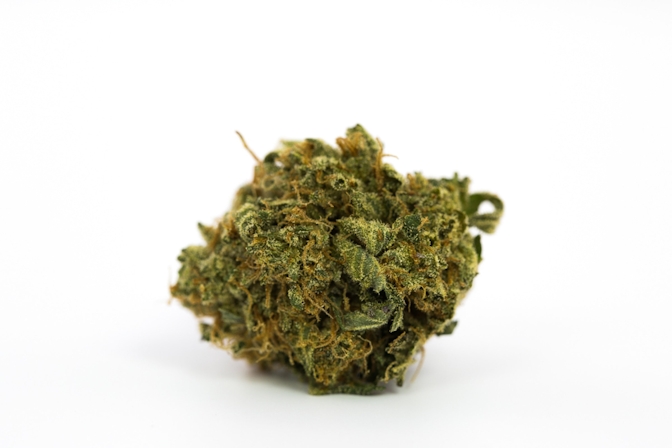
Bubba Kush is the heaviest entry on this list. It’s also one of the most extensively documented caryophyllene dominant strains in the OG family. The OG Kush × unknown indica lineage (maybe Northern Lights) produces a dense, dark, almost coffee-and-chocolate flavor. Caryophyllene contributes the peppery edge underneath. Effects are intensely sedating. The body-melting, deeply relaxing kind of high that makes Bubba a staple recommendation for sleep and pain.
- Potency: 19–25% THC
- Strain type: Indica-dominant
- Genetics: OG Kush × unknown indica (believed Northern Lights)
- Terpene profile: Caryophyllene, Myrcene, Limonene
- Flavor profile: Earthy, coffee, chocolate, peppery hash
- Typical effects: Heavy body, sedating, pain-relieving, mild euphoria
- Average price per gram: $12–$20
5. Master Kush

Master Kush
Master Kush carries a reputation older than most of the strains on this list. It predates the modern Cookies and Cake era and represents a more traditional Hindu Kush expression. The flavor is earthy and woody with a distinct citrus-pepper finish that signals the caryophyllene clearly. Effects are smooth and gentle. Less intensely sedating than Bubba, more accessible than the Cup-winners. Definitely one of the more reliable caryophyllene picks for users who don’t want to be flattened.
- Potency: 18–24% THC
- Strain type: Indica-dominant
- Genetics: Hindu Kush × Skunk #1
- Terpene profile: Caryophyllene, Myrcene, Limonene
- Flavor profile: Earthy, woody, citrus, peppery
- Typical effects: Calm, body-relaxing, mood-lifting, gentle
- Average price per gram: $10–$16
6. Chemdawg
Chemdawg
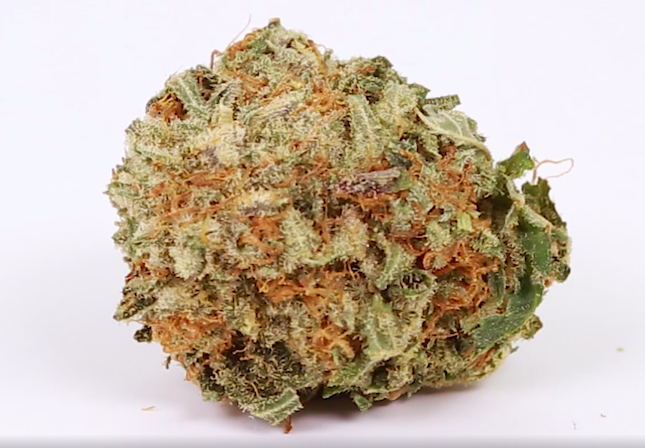
Chemdawg is one of the most influential parent strains in cannabis history. It’s the genetic foundation for OG Kush, Sour Diesel, and a long list of modern heavyweights. Caryophyllene shows up alongside limonene and humulene to deliver a heavy body effect with enough mental clarity to stay sharp. Among caryophyllene terpene strains worth knowing about, Chemdawg is essential for understanding where modern American cannabis genetics actually came from.
- Potency: 19–28% THC
- Strain type: Hybrid (balanced)
- Genetics: Disputed; possibly Nepalese × Thai landraces
- Terpene profile: Caryophyllene, Limonene, Humulene
- Flavor profile: Heavy diesel, fuel, pungent earth, peppery
- Typical effects: Cerebral, euphoric, relaxed, body-calming
- Average price per gram: $12–$20
7. Gelato #33 (Larry Bird)

Gelato #33 (Larry Bird)
Gelato #33 (nicknamed Larry Bird) is the cut from the Gelato family that anchored the modern dessert-strain era. Sunset Sherbet × Thin Mint Cookies genetics produce a sweet, creamy, citrus-forward flavor with caryophyllene depth. Effects are balanced and approachable—euphoric onset, smooth body relaxation, mood lift throughout. The Gelato genetic foundation has spawned dozens of subsequent crosses, and most carry the caryophyllene profile through.
- Potency: 20–26% THC
- Strain type: Hybrid (balanced)
- Genetics: Sunset Sherbet × Thin Mint Cookies
- Terpene profile: Caryophyllene, Limonene, Linalool
- Flavor profile: Sweet citrus, creamy berry, vanilla, slight pepper
- Typical effects: Relaxed, euphoric, mood-elevating, balanced
- Average price per gram: $15–$24
8. Jungle Cake

h2h
Jungle Cake is one of the more recent additions to the caryophyllene-dominant catalog. A White Fire 43 × Wedding Cake cross that earned attention for its trichome density and bold flavor. The aroma carries that telltale peppery caryophyllene signature alongside dough-and-fuel notes. Effects lean toward heavy relaxation, but the caryophyllene keeps the experience feeling more grounded than purely sedating.
- Potency: 25–30% THC
- Strain type: Hybrid (Indica-leaning)
- Genetics: White Fire 43 × Wedding Cake
- Terpene profile: Caryophyllene, Limonene, Myrcene
- Flavor profile: Sweet dough, peppery, fuel, vanilla
- Typical effects: Heavy body, euphoric, relaxed, calming
- Average price per gram: $16–$26
9. Zkittlez

Zkittlez
Zkittlez sits in the unusual position. It’s a caryophyllene-dominant strain that doesn’t smell or taste like the typical profile. Grape Ape × Grapefruit genetics produce a fruity, tropical, candy-leaning flavor that’s miles away from diesel and pepper. Yet the COAs consistently show caryophyllene as a top terpene. Caryophyllene’s flavor signature gets masked when the supporting terpenes lean strongly toward fruit and limonene. Effects stay calming and approachable, which is what makes Zkittlez such a reliable evening strain.
- Potency: 18–23% THC
- Strain type: Indica-dominant hybrid
- Genetics: Grape Ape × Grapefruit
- Terpene profile: Caryophyllene, Limonene, Humulene
- Flavor profile: Tropical fruit, candy sweetness, berry, mild floral
- Typical effects: Calming, relaxed, mood-lifting, mellow
- Average price per gram: $12–$20
10. Girl Scout Cookies

Girl Scout Cookies
GSC is the matriarch of the modern dessert-strain era. The OG Kush × Durban Poison cross took the OG Kush terpene foundation and added a sweet, dessert-forward character. It became the genetic template for the entire Cookies family. Without GSC, there’s no Gelato, Sherbet, or Wedding Cake. The flavor is sweet, earthy, slightly minty, with a peppery exhale. The effect is balanced—uplifted onset, relaxed body settle, mood elevation throughout.
- Potency: 19–28% THC
- Strain type: Hybrid (Indica-leaning)
- Genetics: OG Kush × Durban Poison
- Terpene profile: Caryophyllene, Limonene, Humulene
- Flavor profile: Sweet, earthy, mint, slight pine, peppery exhale
- Typical effects: Euphoric, relaxed, happy, mood-elevating
- Average price per gram: $14–$24
melody zimmerman
Frequently Asked Questions
What does caryophyllene do in weed?
Caryophyllene’s primary role in cannabis is direct activation of CB2 receptors. It’s the only terpene that interacts with the endocannabinoid system the same way cannabinoids do. CB2 receptors are most associated with immune response and inflammation. So caryophyllene contributes to anti-inflammatory and pain-relief properties without producing a head change on its own.
What does caryophyllene taste like?
Spicy and peppery, with notes of clove, black pepper, and sometimes a slight fuel character. Caryophyllene is the same compound that gives black pepper its bite. If a cannabis strain leaves a peppery, slightly stinging sensation on the back of your throat or in your nose, that’s caryophyllene at work. The flavor character holds across strains. Even when secondary terpenes mask the aroma (like Zkittlez), the peppery exhale tends to come through.
How does caryophyllene make you feel?
Grounded, calm, and slightly relaxed without significant sedation. Most consumers describe high caryophyllene strains as producing a balanced, body-aware effect. The CB2 receptor activation contributes to anti-inflammatory and pain-relief feelings. Many users describe a sense of physical comfort that doesn’t feel like being stoned in the traditional sense. Pair caryophyllene with high THC and you get the THC effect with an anti-inflammatory undercurrent.
What strain has the highest caryophyllene?
Strain reputation is a starting point, but actual caryophyllene content varies batch-to-batch. Among the most consistently documented are Original Glue (GG4), Bubba Kush, and Wedding Cake. All three regularly show caryophyllene as the dominant terpene at 0.5% or higher in lab analyses. Master Kush and Chemdawg are close behind. The COA on the specific jar you’re considering is more reliable than the strain name alone.
What's the difference between alpha-caryophyllene and beta-caryophyllene?
Alpha-caryophyllene is more commonly known today as humulene. The terpene from hops. Beta-caryophyllene is the peppery, CB2-activating compound that this article is about. The two terpenes share the same molecular formula and are structural cousins, but they have meaningfully different effects. When cannabis culture refers to “caryophyllene strains,” we’re almost always talking about beta-caryophyllene. Alpha-caryophyllene appears on most COAs as humulene rather than under its alpha label. That’s due to historical naming conventions tied to its discovery in the hop plant.
What strains are high in caryophyllene and myrcene?
Bubba Kush, Master Kush, Original Glue (GG4), and Jungle Cake are all reliable picks. The combination tends toward heavier, more sedating effects with pain and inflammation support. Most heavy indica strains fall into this category. Myrcene is the most common cannabis terpene, and caryophyllene shows up alongside it in most Kush-family genetics.
What strains are high in caryophyllene and limonene?
Sour Diesel, Wedding Cake, GSC, Gelato #33, and Zkittlez all feature caryophyllene and limonene together. The combination produces the most reliable daytime-functional experience in the caryophyllene category. Limonene’s mood-lifting properties counterbalance caryophyllene’s body-grounding effect. Calm without falling asleep.
What strains are high in caryophyllene and pinene?
Caryophyllene-and-pinene is rarer than the other combinations, but it shows up in some Haze-influenced hybrids. White Widow and certain Jack Herer phenotypes carry both terpenes at meaningful levels. The effect tends toward “alert calm”—focused mental clarity paired with the caryophyllene’s anti-inflammatory groundedness. For consumers who want daytime productivity with caryophyllene’s therapeutic benefit.
What strains are high in caryophyllene and linalool?
Wedding Cake, Gelato #33, and certain Lavender-family hybrids are the most reliable picks for caryophyllene paired with linalool. The combination produces some of the most anxiety-targeted effects in cannabis. Both terpenes contribute to anxiety reduction through different mechanisms, and the combined effect is more pronounced than either alone. Best for evening relaxation and stress-driven insomnia.
The Herb Community

Terpene literacy is the part of cannabis culture where the curious become the connoisseurs. Once you’ve learned to read a COA, there’s no going back to picking strains by Sativa-or-Indica labels. That shift from passive consumer to informed buyer is exactly the territory Herb has been mapping for over a decade.
Here’s what the community offers:
- Learning hub and guides stocked with deep-dive guides on terpenes, growing, and cannabinoid science
- News hub of cannabis policy, legal shifts, and research developments
- Dispensary directory to help you find licensed shops near you
- Monthly strain picks rotating across Indica, Sativa, and Hybrid favorites, with terpene character noted
- Deals page, updated monthly with the best discounts on cannabis products online
Stay connected with the Herb community by subscribing to our newsletter, following us on Instagram, and X for the latest in cannabis lifestyle and culture.
Herb Recommended Products:
READ MORE