
jeff w
10 Best High Pinene Strains for Blissful Focus (2026)
It’s the only terpene with actual research behind the focus claims. Here are the strains to look out for.

What makes high-pinene strains different? It comes down to chemistry.
Pinene isn’t the most common dominant terpene, so strains where it clearly leads tend to stand out—and can take a bit more effort to find than your average pick.
This guide does three things. First, the actual science behind why pinene is one of the few cannabis terpenes with a documented cognitive mechanism. Second, 10 strains high in pinene worth seeking out. Third, a framework for choosing based on the secondary terpenes paired with the pinene.
Let’s get into it.
Is Pinene Really the Best Terpene for Focus?

Herb
Probably yes. Here’s why.
Alpha-pinene is one of the only terpenes with a documented mechanism for cognitive support. According to a study published in the Journal of Agricultural and Food Chemistry, terpenes like pinene can inhibit acetylcholinesterase. That means it helps preserve acetylcholine levels and may actively counteract THC-induced short-term memory impairment.
Why does that matter for focus? Acetylcholine is a key neurotransmitter for attention, learning, and short-term memory. Higher acetylcholine activity is associated with better signal clarity in the brain—essentially helping neurons communicate more efficiently when you’re trying to concentrate.
By slowing its breakdown, alpha-pinene may help sustain that signal rather than let it fade quickly.
Worth flagging the important caveat: most of the strongest evidence comes from animal models and isolated compound studies. Human clinical trials haven’t defined exactly what happens with cannabis-derived alpha-pinene specifically.
Alpha-Pinene vs. Beta-Pinene: Which is Better?
Quick distinction: alpha-pinene smells sharper and more piney. Beta-pinene smells slightly more herbal and woody. The two compounds are structurally similar but produce very different effects:
Alpha-pinene is the focus driver. The acetylcholinesterase inhibition mechanism described above is specific to alpha-pinene. The mental clarity, alertness, and memory support that pinene-dominant strains are known for trace primarily to this isomer. Most pinene-dominant strains anchored in alpha-pinene deliver a sharper, more mentally stimulating expression.
Beta-pinene is the supporting cast. The effects are milder, more balanced, with a light mood lift and subtle relaxation rather than strong cognitive activation. Beta-pinene tends to soften the alpha-pinene experience when both are present in significant amounts.
Overall, alpha-pinene tends to be sharper and more stimulating, while beta-pinene leans more balanced in effects.
When you’re picking high pinene strains for focus specifically, alpha-pinene is the ratio that matters. If a Certificate of Analysis (COA) shows alpha-pinene at 0.3% or higher, that’s a meaningful load. Beta-pinene at the same level adds character but less mental sharpening.
The 10 Best Highest Pinene Strains in 2026
One important note before the list: pinene content varies batch-to-batch depending on cultivation, harvest timing, and cannabis flower curing. Even rich pinene strains can flop depending on the grower. Always check the COA when possible (more on this in the verification section below).
10. Melonade

fortuneflavours
Melonade is the dessert-strain entry on this list. Watermelon Zkittlez × Lemon Tree genetics produce a sweet melon-and-citrus profile. The effect is uplifting and creative. Closer to the limonene mood lift than the pure alpha-pinene focus, but with enough pinene to keep the head clear.
- Potency: 22–28% THC
- Strain type: Hybrid (Sativa-leaning)
- Genetics: Watermelon Zkittlez × Lemon Tree
- Terpene profile: Limonene, Caryophyllene, Pinene
- Flavor profile: Sweet melon, citrus, sugar
- Typical effects: Uplifted, euphoric, focused, creative
- Average price per gram: $14–$20
9. Harlequin

the lodge
Harlequin is rich in CBD, low in THC for a clear-headed buzz. There’s roughly 0.7% myrcene and enough pinene content to produce its famous wave of physical calm. The pick for consumers who want pinene’s cognitive support without the head change of high-THC strains.
- Potency: 5–7% THC; 9–15% CBD
- Strain type: Sativa-dominant hybrid (75% sativa)
- Genetics: Colombian Gold × Thai × Swiss Sativa × Nepali Indica
- Terpene profile: Myrcene, Caryophyllene, Pinene
- Flavor profile: Earthy, herbal, mango, mild citrus
- Typical effects: Clear-headed focus, physical relaxation, mood lift, minimal impairment
- Average price per gram: $10–$16
8. Cherry Bomb

wiid boutique
Cherry Bomb pulls pinene into a fruit-forward profile. Sweet cherry on the front, herbal pine on the exhale. The effect leans more toward energetic euphoria than pure focus, with the pinene adding a cognitive boost. A solid daytime hybrid for consumers who want clarity without losing the fun.
- Potency: 15–22% THC
- Strain type: Hybrid (Indica-leaning)
- Genetics: Cherry AK-47 × Brainstorm Haze
- Terpene profile: Pinene, Caryophyllene, Limonene
- Flavor profile: Sweet cherry, pine, herbal sweetness
- Typical effects: Euphoric, energetic, focused, mood-lifting
- Average price per gram: $10–$16
7. Pink Death Star
weed deals
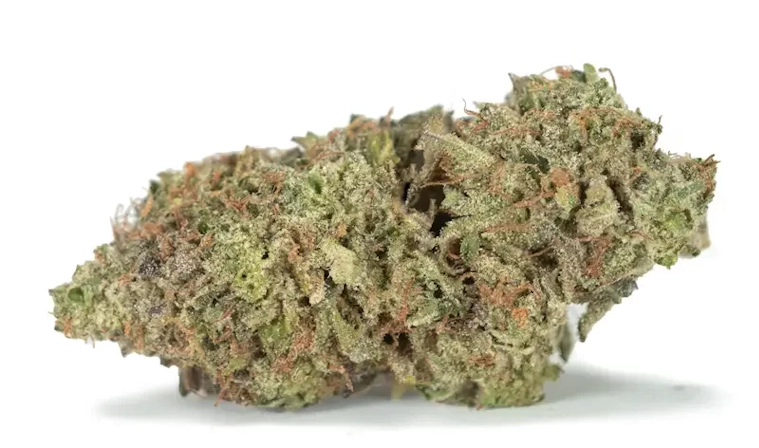
Pink Death Star is the heavier-bodied entry. Death Star × Cherry Pie genetics produce a dense, sweet-and-earthy profile with pinene playing a supporting role. The effect is more relaxed than the pure-Sativa pinene strains higher on this list—closer to “calm focus” than “alert focus.” Best for evening sessions where you still want to be cognitively present.
- Potency: 20–25% THC
- Strain type: Indica-dominant hybrid
- Genetics: Death Star × Cherry Pie
- Terpene profile: Caryophyllene, Pinene, Limonene
- Flavor profile: Sweet earth, pine, slight cherry, fuel
- Typical effects: Relaxed, focused, mellow, body-calming
- Average price per gram: $12–$18
6. Jack Herer
PaMedical
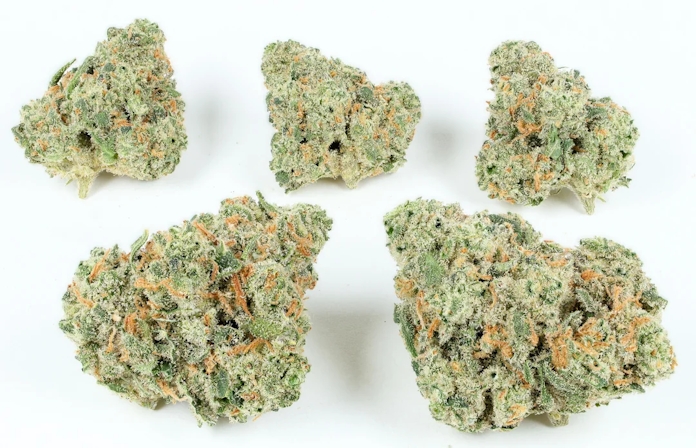
Jack Herer is one of the strains most consistently cited in pinene-focused strain analyses. The terpene profile is dominated by terpinolene, but pinene sits as a significant secondary terpene. That combination is part of why Jack Herer earned its reputation as the “creative cerebral high” strain. Named after the legendary cannabis activist, this is one of the most-replicated genetic foundations in modern cannabis history.
- Potency: 18–24% THC
- Strain type: Sativa-dominant
- Genetics: Haze × Northern Lights #5 × Shiva Skunk
- Terpene profile: Terpinolene, Pinene, Caryophyllene
- Flavor profile: Pine, herbal, spicy, slight citrus
- Typical effects: Creative, cerebral, euphoric, focused, social
- Average price per gram: $12–$20
5. Early Lemon Berry

ask growers
Early Lemon Berry is one of the more unusual pinene strains in the modern catalog. The Pre-98 Bubba × Strawberry Diesel × Cali-O lineage produces a profile that walks the line between citrus, berry, and pine. Effects are balanced. Focused, but with enough body weight to keep things grounded. A perfect daytime strain.
- Potency: 20–24% THC
- Strain type: Hybrid (balanced)
- Genetics: Pre-98 Bubba × Strawberry Diesel × Cali-O
- Terpene profile: Pinene, Limonene, Caryophyllene
- Flavor profile: Lemon, berry, pine, sweet citrus
- Typical effects: Focused, uplifted, balanced, functional
- Average price per gram: $12–$18
4. Purple Gas

HempFlowerCo.-
Purple Gas brings pinene into the gas-strain category. Diesel and fuel notes lead the flavor profile, with pinene adding the herbal-pine undertone underneath. The effect is heavier than the citrus-forward strains higher on this list. But the pinene keeps the head clearer than a pure-fuel strain would. Strong evening pick for consumers who want focus without losing the body experience.
- Potency: 25–30% THC
- Strain type: Indica-dominant hybrid
- Genetics: Wedding Pie × Black OG
- Terpene profile: Caryophyllene, Pinene, Limonene
- Flavor profile: Diesel, gas, pine, sweet earth
- Typical effects: Heavy body, focused, euphoric, sedating
- Average price per gram: $14–$22
3. Mandarin Zkittlez

informationentropy
Mandarin Zkittlez delivers one of the brighter, more flavor-forward pinene profiles in the modern catalog. Mandarin Sunset × Zkittlez genetics produce a tropical citrus profile with pinene playing third behind limonene and caryophyllene. The effect is uplifting and social, with the pinene adding clarity to the otherwise candy-strain mood lift.
- Potency: 20–25% THC
- Strain type: Hybrid (balanced)
- Genetics: Mandarin Sunset × Zkittlez
- Terpene profile: Limonene, Caryophyllene, Pinene
- Flavor profile: Tropical citrus, mandarin, sweet candy
- Typical effects: Uplifted, social, focused, mood-lifting
- Average price per gram: $14–$22
2. Blue Dream

Blue Dream is one of the most cited alpha pinene strains across modern lab data. Pinene works alongside Blue Dream’s myrcene to produce its signature dose-dependent split. At lower doses, the pinene and Sativa genetics drive a clear, focused experience. At higher doses, the myrcene takes over, and the body relaxation kicks in. Pinene is the reason Blue Dream feels mentally crisper than a pure indica at the same THC level.
- Potency: 17–24% THC
- Strain type: Sativa-dominant hybrid (60% sativa / 40% indica)
- Genetics: Blueberry × Haze
- Terpene profile: Myrcene, Pinene, Caryophyllene
- Flavor profile: Sweet blueberry, pine, herbal, light floral
- Typical effects: Focused, creative, euphoric, balanced
- Average price per gram: $10–$20
1. Big Smooth

WEEDMAPS
Big Smooth is genuinely one of the best pinene strains for consumers prioritizing cognitive clarity over potency alone. Blueberry Muffin × Snow Lotus genetics produce a sweet, blueberry-forward profile. The effect leans toward calm focus, not the racing creative energy of Jack Herer or the dose-dependent split of Blue Dream. But a steady, clear-headed state that’s genuinely functional. Among weed strains high in pinene, this is one of the best expressions you can find.
- Potency: 18–25% THC
- Strain type: Hybrid (Indica-leaning)
- Genetics: Blueberry Muffin × Snow Lotus
- Terpene profile: Pinene, Caryophyllene, Myrcene
- Flavor profile: Sweet blueberry, pine, vanilla, slight herbal
- Typical effects: Focused, calm, euphoric, balanced
- Average price per gram: $14–$22
How to Choose the Right High Pinene Strain

WILL GOODMAN
Pinene concentration tells you the intensity of the cognitive boost. The secondary terpenes determine the character of that focus. Here’s how to read the combinations.
Strains High in Pinene and Limonene
Limonene’s mood-lifting, anti-anxiety properties pair with pinene’s cognitive sharpening to produce the “happy productivity” experience. Strains high in pinene and limonene tend to be the most reliably daytime-functional in the category. Focused but not anxious, creative but not scattered.
Top picks: Mandarin Zkittlez, Cherry Bomb, Early Lemon Berry.
Strains High in Pinene and Myrcene
Myrcene introduces a body-weight component that grounds the otherwise cerebral pinene experience. Strains high in pinene and myrcene tend to produce balanced effects. You’ll be focused mentally but with enough physical relaxation to avoid feeling overstimulated.
Picks: Blue Dream, Harlequin, Big Smooth.
Strains High in Pinene and Terpinolene
Both pinene and terpinolene are in the “energizing” terpene category, but they work differently. Pinene drives clarity. Terpinolene drives creative wandering. The combination produces the “Jack Herer effect”—sharp focus paired with creative cerebral energy. Best for creative work that benefits from both clarity and inspiration.
Pick: Jack Herer.
Strains High in Pinene and Linalool
Linalool’s anxiolytic properties soften pinene’s stimulating quality. The combination is rare. Most pinene-dominant strains lean toward stimulating supporting terpenes. But when it shows up, expect focused without the anxiety potential that high-THC pinene strains can carry. Worth seeking out for anxiety-sensitive consumers who still want cognitive clarity.
Strains High in Caryophyllene and Pinene
Caryophyllene activates CB2 receptors directly, adding an anti-inflammatory dimension to the otherwise cognitive-focused pinene effect. Strains high in caryophyllene and pinene tend to be the best picks for consumers who want mental clarity while managing physical discomfort.
Picks: Purple Gas, Pink Death Star, Cherry Bomb.

Other Factors That Shape the Experience
Potency: High pinene at lower THC (15–18%) tends to produce gentle, sustainable focus. High pinene at 25%+ THC can push into an intensity that overwhelms the cognitive benefit. Focus turns into anxiety for some users. Lower-THC pinene strains are often more functional than their potency numbers suggest.
Genetics: The Haze family and the Blueberry/Diesel families produce the most consistently pinene-forward expressions. Cuts outside those families can carry pinene but often less reliably.
Cultivation and Curing: Pinene is one of the more volatile terpenes in cannabis. It degrades faster than myrcene or caryophyllene with heat, light, and time. Recently tested COAs from current batches are the most reliable signal.
How to Verify Strains Actually Contain High Pinene

crystalweed
Strain reputation only goes so far. The actual pinene content in the jar varies from batch to batch, grower to grower, and harvest to harvest. Here’s how to verify the strain you’re buying actually delivers on its name.
Check the COA. A Certificate of Analysis from a third-party lab is the only reliable confirmation of terpene content. In legal markets, dispensaries should make COAs available for every product on the shelf. If the budtender can’t pull one for you, that’s a yellow flag.
Look for pinene at 0.5% or higher. That’s the general threshold for a pinene-forward effect. Above 1.0% is exceptional and rare. Below 0.3% is too low to expect noticeable cognitive effects from the terpene specifically.
Distinguish alpha from beta. Most thorough lab panels separate alpha-pinene and beta-pinene rather than reporting a combined “pinene” figure. Alpha-pinene is the focus driver. If you’re picking specifically for cognitive support, the alpha-pinene number is the one that matters.
Check the harvest date. Terpenes degrade over time. A strain harvested four weeks ago will read more pinene-forward than the same strain harvested six months ago. Recent COAs paired with recent harvest dates are the gold standard.
Watch for total terpene content. Total terpene content above 1% generally correlates with better expression and more vibrant effects. Total terpenes below 0.5% suggest poor cultivation or aged flower, regardless of what the dominant terpene is.
If a brand or dispensary doesn’t make terpene data accessible, the strain’s reputation alone isn’t enough to bet on. Move on to one that does.

ELSA OLOFSSON
Frequently Asked Questions
What are high pinene strains?
High pinene strains are cannabis cultivars where pinene (typically alpha-pinene) is a dominant or near-dominant terpene. These strains tend to deliver mental clarity, focus, and reduced cognitive fog.
What strains are highest in pinene?
The most documented highest pinene strains include Big Smooth, Blue Dream, Jack Herer, Mandarin Zkittlez, Purple Gas, Early Lemon Berry, Pink Death Star, Cherry Bomb, Harlequin, and Melonade. Pinene content varies meaningfully by cultivator, harvest, and cure. Even high pinene strains can underdeliver if grown or stored poorly. Always check the COA when possible.
Does pinene help with focus?
Pinene has the strongest scientific argument of any cannabis terpene for cognitive support. Alpha-pinene inhibits acetylcholinesterase—the enzyme that breaks down acetylcholine, the neurotransmitter most associated with attention and memory.
Is pinene more common in Indica or Sativa strains?
Pinene appears more commonly in Sativa-dominant strains and balanced hybrids. But the indica/sativa label doesn’t reliably predict terpene content. Hazes (Jack Herer, Super Lemon Haze) and Blueberry-family hybrids (Blue Dream, Big Smooth) are the most common pinene-forward genetic foundations. The terpene profile on a COA is a more reliable predictor than plant type.
Can high pinene strains make me tired?
Pinene-dominant strains generally don’t produce sedation—they tend toward energizing and focused effects. However, the secondary terpenes change the picture. A pinene strain paired with high myrcene (like Blue Dream at higher doses) can shift toward body relaxation as the myrcene takes over. A pinene strain paired with high caryophyllene and indica genetics (like Pink Death Star) can lean more relaxed than alert. Pinene by itself is not sedating.
What is the difference between alpha-pinene and beta-pinene?
Alpha-pinene is the focus driver—sharper, more cognitively stimulating, the isomer behind the acetylcholinesterase inhibition mechanism. Beta-pinene is softer, more balanced, with a light mood lift and subtle relaxation. Most thorough lab panels distinguish the two. When picking for cognitive support specifically, the alpha-pinene number is the one that matters.
The Herb Community

For more than a decade, Herb has been a gathering place for people who love, use, and are simply curious about cannabis. That includes smokers who actually pay attention to what’s in their flower beyond the THC percentage.
Terpene literacy is the next frontier of cannabis culture. And figuring out which strains genuinely deliver on their reputations is exactly the kind of work Herb lives for.
Here’s what you can tap into at Herb:
- Learning hub and guides that break things down clearly, from terpene profiles to growing weed outdoors
- News hub that spotlights the latest cannabis culture, policy shifts, and research developments
- Dispensary directory to help you find licensed shops in your local area
- Monthly strain picks, featuring rotating Indica, Sativa, and Hybrid favorites — including standouts on terpene character specifically
- Deals page, updated monthly with the best cannabis discounts available online
Stay connected with the Herb community by subscribing to our newsletter, following us on Instagram, and X for the latest in cannabis lifestyle and culture.
Herb Recommended Products:
READ MORE