This article contains sponsored content. Some of the products featured are part of paid partnerships. This page explains how our process works.
herb
Hemp Ban News (2026): Latest Updates on the Federal THC Ban and What You Can Do
The law is already on the books. The date just moved. Here's where things stand right now.

If you’ve been following hemp ban news this year, the situation is simpler than the headlines suggest. And it’s more unsettled than either side admits. Here’s the hemp ban news that really matters.
A federal law redefining hemp was signed in November 2025, and its effective date was originally scheduled for November 12, 2026. Then it moved. The Senate passed a stopgap funding bill on August 8, pushing most of it to December 11. The House followed on September 1, and Trump signed it on September 2. The federal hemp ban 2026 date is now December 11, with one carve-out.
Both sides frame it differently. Supporters call it closing a loophole that put intoxicating products in gas stations without age limits. The hemp industry says it wipes out a multi-billion-dollar market and thousands of jobs. Both are true.
This piece covers what the law changes, which products it hits, and where the legislation stands. Plus, what consumers can do and how state laws fit in.
Key Takeaways

history in hd
- The law is already enacted, signed November 12, 2025, with a one-year runway before it takes effect.
- It redefines hemp from a delta-9-only standard to total THC, which includes THCA, plus a 0.4mg total-THC-per-container cap on finished products.
- The latest hemp ban 2026 update: most restrictions moved from November 12 to December 11, 2026, signed into law on September 2 as part of a government funding bill.
- Synthetic cannabinoids that can’t be naturally produced by the plant are carved out of the delay and still face the November 12 date.
- A Medicare pilot covering up to $500 a year of hemp-derived products for eligible patients is now part of the picture, and CMS pushed to protect it during the Senate fight.
- Industry estimates suggest a nationwide THC ban 2026 would make roughly 95% of current hemp-derived cannabinoid products federally illegal.
- Until the effective date arrives, the 2018 Farm Bill standard still applies.
What Is the Hemp Ban and Where Did It Come From?

joshua woroniecki
The federal hemp ban 2026 conversation starts with a definition written in 2018.
The 2018 Farm Bill removed hemp from the federal controlled-substances definition using one threshold: 0.3% delta-9 THC by dry weight. Nothing about total potency, nothing about other cannabinoids. The Congressional Research Service background covers how that framework was built.
Critics call the result the farm bill loophole. Because the standard measured only delta-9, an entire market grew around products that stay under that line while remaining fully intoxicating. THCA flower is the clearest example, since raw THCA isn’t delta-9 until you heat it. Delta-8, delta-10, and HHC followed, made by converting hemp-derived CBD.
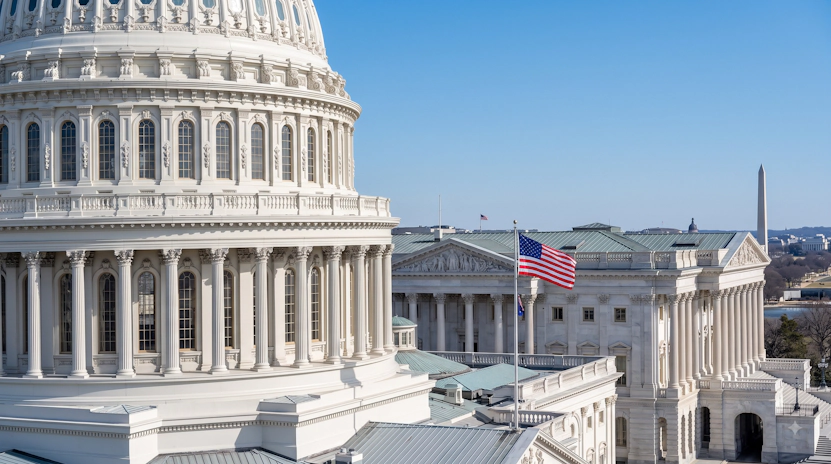
The fix arrived as Section 781 of P.L. 119-37, the FY2026 appropriations act, which amends the statutory definition of hemp to a total-THC standard counting THCA alongside delta-9. That’s the whole federal hemp ban 2026 mechanism in one sentence. We covered it in our breakdown of the looming hemp ban.
The politics split oddly. Supporters argue intoxicating hemp reached kids through candy-mimicking packaging.
Senator Ted Budd cited a 461% rise in pediatric cannabinoid-related emergency visits among children 11 and under between 2018 and 2023. But the industry argues that it has asked for FDA regulation, age-gating, and testing for years. For broader context, see our piece on whether weed is legal now.

Senator Ted Budd Facebook Post
What Products Will the Hemp Ban Affect?
Three mechanisms in the new law decide what’s affected, and each one targets a different kind of product.
- The threshold shifts from delta-9 to total THC. The old standard measured only delta-9 THC. The new one adds THCA into the calculation (converted using the standard 0.877 factor), so a product’s raw THCA now counts against the limit. This is what catches THCA flower, pre-rolls, vapes, and concentrates—they were built around the fact that THCA didn’t previously count.
- Finished products get a 0.4mg total-THC cap per container. No consumable hemp product can hold more than 0.4mg of total THC in its retail container. This is what catches products like delta-9 gummies and beverages at anything near current dosing, which routinely exceed that in a single package.
- Lab-made cannabinoids are excluded outright. Any cannabinoid synthesized or manufactured outside the plant is removed from the hemp definition regardless of potency. This is what catches delta-8, delta-10, and HHC-formulated products, which are made by chemically converting hemp-derived CBD.
The CRS summary of the definition change walks through the statutory language.
So, is THCA being banned? Functionally, yes. THCA flower only exists as “hemp” because raw THCA didn’t count toward the old delta-9 threshold. Once it counts, typical flower testing 20% THCA or higher lands far above the limit. Under the total-THC standard, it no longer qualifies as hemp.
Will delta 8 be banned? Also yes, but by a different route. Delta-8 is excluded as it is a synthesized cannabinoid rather than failing on potency. And the timing differs. The enacted one-month delay carved synthetics out, so delta-8 and other lab-made cannabinoids still face the original November 12 date. Naturally derived products like THCA now have until December 11. The statutory language covers cannabinoids not capable of being naturally produced by a Cannabis sativa L. plant.
What survives? Industrial hemp grown for fiber, grain, seed, and other non-cannabinoid uses. Plus, CBD products under the 0.4mg cap. The FDA was directed to publish clarifying cannabinoid lists, which haven’t appeared yet. So parts of the THC ban 2026 rollout are still unresolved.
What’s Still Available Today
Most hemp-derived products remain federally legal for now, though the timeline splits. Naturally derived cannabinoids like THCA have until December 11 under the bill signed on September 2. Synthesized ones like Delta-8 lose their footing on the earlier November 12 date. What you can still buy today ultimately depends on your state laws, so always check local legislation before purchasing cannabinoid products.

The Binoid Super 7 Gummies carry 7,000mg of a seven-cannabinoid blend spanning THCA, THC-H, THC-B, Delta 9P, Delta 8, HHC, and THCV. Now in Grape Cotton Candy, at $39.97 down from $59.99. Nearly every cannabinoid listed is named in the new framework. Now’s the time to stock up.

For flower, Bloomz Exotic THCA Smalls offer 28 grams of indoor exotic buds at $169.99, down from $329.99. That works out to about $6 a gram, across strains including Tropicana Cherries, Black Ice, and Dante’s Inferno.

The Black Sheep High Potency Cartridge is the kind of blended product this ban puts front and center. The device combines delta-8, THC-P, CBDA, and delta-9 in a single 2g cart. It’s 510-thread compatible, so it works with most standard batteries, and a ceramic coil keeps the vapor clean and flavorful. Each strain gets its own terpene profile, from Forbidden Fruit and Garlotti to Lemon Diesel and Sour Tangie. Every batch is third-party lab-tested with no fillers or cutting agents, so the COA tells you exactly what you’re getting.

The WNC CBD THCa Flower Bundle includes 14 grams total across four indoor strains. You get 3.5g each of Gastro Pop, Granddaddy Purple, Bubblegum, and Gelato Z. Between hydroponic and living soil environments, these strains are cold-cured to perfection for maximum terpenes and potency.

State-licensed dispensary products sit entirely outside this fight, which is worth remembering. New York shoppers can pick up Night Moves 3.5g from Rolling Green at Strain Star. This is an indica built on earthy myrcene with fruity terpenes layered over it, so it relaxes without flattening you. Strain Stars runs 3 New York dispensaries with same-day Long Island delivery. Though as a state-licensed retailer, they don’t ship out of state. Stock up in New York today.
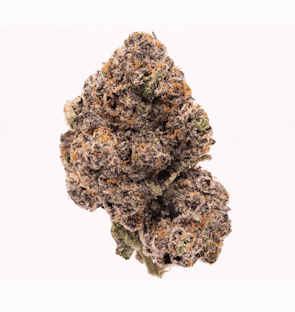
thisthat shows exact THCA percentages for every strain on its menu, down to three decimals. Super Boof leads the list at 38.967%, followed by Lemon Cherry Gelato at 32.397%, Limeade at 31.756%, and Sour Garlic Cookies at 31.36%. Choose from 20+ strains and take your pick before the legal loophole closes. Herb readers get 20% off with code HERB20.
Current Legislative Status on Hemp: The Delay and the Bills in Play

elijah mears
Here’s where the hemp ban stands, in order:
- November 12, 2025: President Trump signed the law (Section 781 of P.L. 119-37), with an effective date set exactly one year out, on November 12, 2026.
- Early August 2026: Senate leaders released a stopgap government funding bill containing a provision to push most of the hemp restrictions from November 12 to December 11, 2026.
- August 8, 2026: Senator Ted Budd (R-NC), joined by Senator Pete Ricketts (R-NE) and roughly a dozen bipartisan cosponsors, filed an amendment to strip the delay and keep the original November 12 timeline. In the early hours of August 8, the Senate voted 61–32 to table Budd’s amendment—a motion brought by Senator Amy Klobuchar (D-MN), who authored the delay provision. The Senate then passed the underlying continuing resolution 90–6.
- September 1, 2026: The House passed the continuing resolution 370-48, with 19 Republicans and 29 Democrats opposed. A group of Republican hardliners objected specifically to the hemp delay provision but did not stop it.
- September 2, 2026: President Trump signed H.R. 6500, the Continuing Appropriations and Extensions Act, 2027, into law. The hemp ban’s effective date formally moved to December 11, 2026.
The vote scrambled party lines. 34 Democrats, one independent, and 26 Republicans voted to table, including Majority Leader John Thune and Minority Leader Chuck Schumer. Twenty-one Republicans and 11 Democrats sided with Budd.
One thing matters most for the weed ban 2026 timeline now. December 11 is both the hemp ban’s new effective date and the day the funding extension expires, which puts the two back on the same table at the same moment. Budd has already flagged that convergence as a chance to revisit the issue. Anyone tracking the weed ban 2026 story should watch December, not November.
Worth noting: the White House reportedly told Senate Republicans there would be no further extensions beyond this one. Treat that as a stated position rather than a guarantee.
What Could Happen Next
The one-month delay is done and enacted. Three broader paths remain in play for what happens by December 11:
- Repeal: strike the definitional change outright.
- Further delay: push the effective date back, with some proposals reaching 2028.
- Regulate instead of ban: replace prohibition with an FDA framework covering age limits (some bills set a purchase age of 21), testing, and potency caps.
Several regulatory bills circulate in both chambers, including proposals setting a purchase age of 21. None has advanced with leadership backing. The honest summary of any nationwide THC ban 2026 discussion: only the enacted law is settled. Everything layered on top is still moving.
Why the White House Backed the Delay
The administration’s support for pushing the date wasn’t only about the hemp industry. In April, CMS launched an initiative covering up to $500 a year of hemp-derived products for eligible Medicare patients. The program centers on CBD but permits up to 3mg of total THC per serving, which is well above the 0.4mg-per-container cap the new law imposes.
But that’s a direct conflict. CMS Director Mehmet Oz wrote to senators expressing concern that stripping the delay from the funding bill would undermine the initiative. A legal challenge to the program was dismissed by a federal judge and is now under appeal.
So the Medicare pilot and the hemp definition are on a collision course, and December is when that gets resolved or doesn’t.
What Consumers Can Do Right Now

Maxim Ilyahov
For readers, remember what the hemp ban news actually says: the law is already on the books. The realistic goal is influencing the delay, repeal, or regulation debate rather than stopping something still in proposal.
For businesses operating in the hemp market, the uncertainty extends beyond what products may remain available. Potential changes to the law can also affect hiring, inventory decisions, and longer-term planning.
“We're doing our best to prepare for varying outcomes but the uncertainty is affecting hiring decisions, inventory management and plans for growth. We want responsible regulations in the industry, but the language of this bill is an outright ban. Our customers are responsible adults looking for safe and natural alternatives to alcohol and pharmaceuticals. Our employees depend on these jobs during a difficult time in our economy. Regulate don't eliminate.”
That view is shared across the industry. Brent Bird, founder of thisthat, frames the fight as a math problem more than a legal one.
“The looming Federal Hemp Ban is a big thorn in every hemp company’s side. The positive aspect I see in all of this is that it pits the 99% vs the 1%, we have the power in numbers on the state and federal levels. We can win this if we unite, and that’s exactly what I see happening.” – Brent Bird, Founder, thisthat.
And that’s exactly the case for everything below.
We can win this if we unite.
- Contact your House representative and senators about the regulatory bills now in play, since the December window is where the long-term framework gets decided.
- Follow hemp trade associations tracking the legislation and organizing comment campaigns.
- Read primary sources like Congress.gov and CRS reports rather than secondhand summaries.
- Learn your own state’s rules, which apply regardless of the federal outcome.
That last point does more practical work than the rest. Federal timing is uncertain, and no amount of hemp ban news changes that. Your state’s law is knowable today.
State-Level Context: Laws Already on the Books

nico smit
Plenty of states moved before Congress did, which is why the hemp ban 2026 picture varies so much by location.
- States restricting THCA to licensed dispensaries, such as California under AB 8.
- States adopting total-THC testing standards, including Oregon and Connecticut.
- States banning intoxicating hemp retail outright, such as New Jersey.
- States where litigation has paused enforcement, as with the Texas temporary restraining order.
The key thing to understand: a permissive state law doesn’t exempt you from federal timing. When the federal definition changes, it changes everywhere. State rules determine what’s available locally on top of that floor, not instead of it.

One thing worth remembering: state-licensed cannabis sits outside the hemp fight entirely. Products sold at licensed dispensaries fall under state and local cannabis programs, not the federal hemp definition. In Washington, DC, for example, District Cannabis grows and sells its own flower to medical patients, like its Gelato Cake. This Wedding Cake x Gelato 33 cross tests at 23.71% THC with notes of grape, sweet kerosene, and cognac, for $35 an eighth. If the hemp market shrinks, licensed dispensaries like this are where many consumers are likely to land.
The Bottom Line

ian hutchinson
The core facts of this hemp ban news cycle stay stable even as the dates move.
A law redefining hemp around total THC, with a 0.4mg-per-container cap on finished products, is enacted. Its effective date was November 12, 2026, and a funding bill signed on September 2 moved most of it to December 11. Synthetics don’t get that extra month. Competing bills would delay further, repeal, or replace the framework, and none has cleared.
Products most likely affected by the upcoming hemp ban include:
- THCA flower, pre-rolls, vapes, and concentrates (failing the total-THC standard)
- Delta-9 gummies and beverages at current dosing (exceeding 0.4mg per container)
- Delta-8, HHC, and other converted or synthesized cannabinoids
This story is still developing, and the dates have already moved once. So treat any hemp ban news you read as a snapshot. Check Congress.gov for current status and your state’s rules for what applies where you are.
Frequently Asked Questions
Is there a hemp ban coming in 2026?
Yes. A federal law redefining hemp has already been enacted and is awaiting its effective date. It isn’t a proposal, which is the most common misunderstanding in the hemp ban 2026 debate.
When will the hemp ban take effect?
December 11, 2026, for most products. The original date was November 12, but a government funding bill signed on September 2 pushed naturally derived products like THCA back by a month. Synthetic cannabinoids like Delta-8 are carved out of that delay and still face November 12.
Does the hemp ban affect legal states?
The federal definition change applies nationwide, though state-licensed cannabis programs run under separate state law. Hemp-derived products sold outside those programs are the target.
Can the hemp ban be reversed?
Legally, yes, through repeal or replacement legislation. Bills exist for both. None has advanced with leadership support, so reversal is possible rather than likely on current evidence.
Is THCA being banned?
Effectively yes. The shift to a total-THC standard counts THCA toward the limit, and typical THCA flower tests far above it. That’s the single biggest change for consumers.
Will delta 8 be banned?
Yes, as a synthesized cannabinoid excluded from the hemp definition rather than one failing a potency test. It’s also excluded from the one-month delay.
Will the hemp ban affect dispensaries?
State-licensed dispensaries operate under state cannabis law, so their marijuana products aren’t governed by the hemp definition. Hemp-derived items on their shelves are a different matter.
What does the hemp ban mean for dispensaries?
Some analysts expect licensed dispensaries to gain share as hemp competitors lose their federal footing. That’s a prediction, not a certainty.
Did Trump ban hemp?
He signed the appropriations act containing Section 781 in November 2025, and then signed the bill delaying it to December 11 on September 2, 2026. His administration pushed for that delay, citing full-spectrum CBD access and a Medicare pilot covering hemp-derived products. He also reportedly called Senator Budd during the August dispute.
Who proposed the hemp ban?
The provision was added to an appropriations bill rather than passed as standalone legislation, which is why no single sponsor is commonly named. Senator Mitch McConnell has been widely reported as a key backer.
Why was hemp originally banned?
Hemp fell under the Marihuana Tax Act of 1937 and later the Controlled Substances Act of 1970, because the law didn’t distinguish it from intoxicating cannabis. The 2018 Farm Bill reversed it.
Are hemp wraps getting banned too?
Hemp wraps aren’t intoxicating and don’t carry meaningful THC, so they aren’t the target. Any product clearing the 0.4 mg total THC cap should remain legal.
What hemp products will be banned in 2026?
THCA flower and pre-rolls, most hemp vapes and concentrates, delta-9 gummies and drinks at current dosing, and delta-8, delta-10, and HHC products. Fiber, grain, seed, and low-dose CBD are unaffected.
Herb Recommended Products:
READ MORE