
5 Nerolidol Terpene Effects That Will Blow Your Mind
Most people chasing a specific cannabis experience focus on THC percentage. But the terpenes are doing a lot of the quiet work, and nerolidol is one of the most underrated of the bunch. It's the terpene behind that soft, woody-floral aroma in certain strains, and it brings a surprising list of effects to the table, from better sleep to fighting off bacteria.

Nerolidol is a sesquiterpene alcohol found in cannabis as well as jasmine, lemongrass, tea tree, and ginger. It carries a woody, earthy scent with subtle floral and citrus notes, and in cannabis it tends to show up in strains known for relaxation. Here’s what it actually does, which strains have it, and why it’s worth paying attention to your terpene profiles.
What Is Nerolidol?
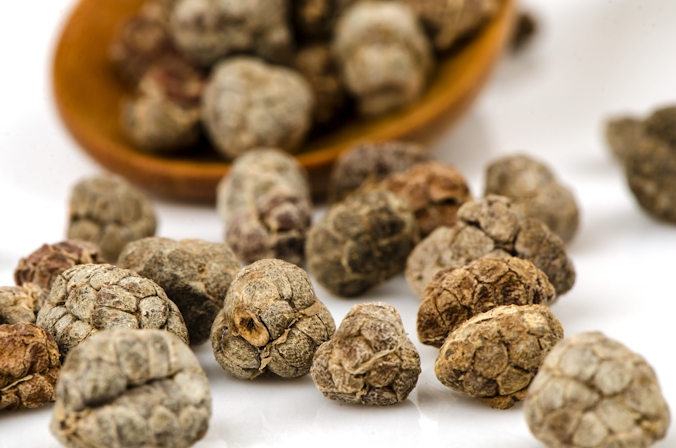
Nerolidol isn’t unique to cannabis. It’s the same compound that gives jasmine and lemongrass their fragrance. In cannabis, it adds a refreshing, soothing aroma and shows up most in strains associated with calm and sleep.
There are two forms, or isomers: cis-nerolidol and trans-nerolidol. Cannabis mostly contains trans-nerolidol, which is prized for its stability and its ability to permeate skin and cell membranes. That skin-penetrating quality is a big part of why it’s valuable (more on that below).
As a terpene, nerolidol doesn’t work in isolation. It interacts with cannabinoids like THC and CBD through the entourage effect, where terpenes and cannabinoids amplify and shape each other’s effects. That’s a major reason two strains with identical THC numbers can feel completely different. If you’re new to this, our guide on what cannabis terpenes are and what they do breaks down the basics, and you can compare nerolidol to neighbors like myrcene and caryophyllene.
5 Nerolidol Terpene Effects
A quick reality check before we dive in: most nerolidol research so far comes from animal and lab studies, not large human trials. The findings are genuinely promising, but treat them as early science rather than medical fact.
1. Promotes Sleep and Sedation

This is nerolidol’s headline act. It’s known for sedative, calming effects, and rodent studies have shown it produces noticeable sedation. For anyone reaching for cannabis as a natural sleep aid, strains rich in nerolidol are a smart place to look, since the terpene may support deeper, more restful sleep.
2. Eases Anxiety and Stress
Nerolidol’s calming influence extends to the mind. A 2016 study found that trans-nerolidol had an anti-anxiety effect in mice by acting on the central nervous system. In practice, that calming quality makes high-nerolidol strains a popular choice for unwinding and taking the edge off a stressful day.
3. Fights Inflammation and Pain
Nerolidol has anti-inflammatory properties that contribute to pain relief. Because so much chronic pain is driven by inflammation, this makes it potentially useful for inflammatory conditions like arthritis, and a natural complement to cannabis used for pain relief.
4. Antimicrobial and Antifungal
One of nerolidol’s most underrated talents: it fights microbes. Animal and lab studies have found it can reduce skin lesions from fungal infections and even work alongside antibiotics to kill bacterial pathogens more effectively. That antimicrobial punch is part of why it appears in so many plants as a natural defense compound.
5. Antioxidant Protection
Nerolidol acts as an antioxidant, helping combat the oxidative stress that’s linked to aging and a range of diseases. It’s a quieter benefit than sleep or pain relief, but it rounds out the terpene’s well-being profile.
Bonus: Why Nerolidol Shines in Topicals
Here’s the property that makes nerolidol special beyond its effects: it’s an excellent skin penetration enhancer. Trans-nerolidol permeates skin and cell membranes easily, which means it can help carry other therapeutic compounds deeper into the skin. That’s why you’ll find it in topical cannabis products like balms and creams. It doesn’t just soothe on its own, it boosts how well the other active ingredients absorb.
Cannabis Strains High in Nerolidol
If you want to experience nerolidol’s effects, seek out strains where it appears prominently in the terpene profile. Strains commonly reported to be high in nerolidol include:
- Jack Herer
- Blue Dream
- Skywalker OG
- Chemdawg
- Island Sweet Skunk
- Black Lime Reserve
Always check a strain’s lab-tested terpene profile when you can, since nerolidol levels vary by grower, batch, and phenotype.
The Bottom Line
Nerolidol proves that terpenes deserve a seat at the table next to THC and CBD. This single sesquiterpene can support sleep, ease anxiety, fight inflammation and microbes, provide antioxidant protection, and supercharge topical absorption. The next time you’re choosing a strain or a cannabis product, look past the THC number and check the terpene profile. A little nerolidol might be exactly what your experience is missing.
Frequently Asked Questions
What does nerolidol do?
Nerolidol is a cannabis terpene with sedative, calming effects. Research suggests it may promote sleep, reduce anxiety, fight inflammation and pain, kill certain microbes, and act as an antioxidant. It also enhances how well the skin absorbs topical products.
What does nerolidol smell like?
Nerolidol has a woody, earthy aroma with subtle floral and citrus notes, often described as similar to fresh bark or blooming jasmine. It’s the same terpene found in jasmine, lemongrass, and tea tree.
Which cannabis strains are high in nerolidol?
Strains commonly reported to contain notable nerolidol include Jack Herer, Blue Dream, Skywalker OG, Chemdawg, Island Sweet Skunk, and Black Lime Reserve. Terpene levels vary by batch, so check lab results when available.
Does nerolidol make you sleepy?
It can. Nerolidol is known for its sedative qualities, and animal studies have shown it produces calming, sleep-supporting effects. Strains high in nerolidol are often chosen for nighttime use.
What is the difference between cis- and trans-nerolidol?
They’re two isomers (forms) of the same molecule with slightly different scents and properties. Cannabis mainly contains trans-nerolidol, which is more stable and better at permeating skin and cell membranes.
Is nerolidol safe?
Nerolidol is widely used in foods and cosmetics and is generally considered safe. That said, most therapeutic research is still preclinical, so talk to a healthcare professional before using cannabis or terpene products for a medical purpose, especially if you take medication.
Disclaimer: This article is for informational purposes only and is not medical advice. Most nerolidol research to date comes from animal and laboratory studies, and effects in humans are not yet confirmed. Consult a healthcare professional before using cannabis or terpene products for any medical purpose.
Herb Recommended Products:
READ MORE