Herb
Live Resin vs Distillate Cart: Are They All That Different?
Short answer: yes. If you switched to carts and the high felt flat, the problem wasn't carts—it was distillate. Here's why live resin changes the game.

The live resin vs distillate cart debate isn’t really a debate once you’ve tried both.
I used to be a bong smoker. Flower only, no exceptions. When I finally switched to carts for the discretion and convenience, I first grabbed distillate because it was everywhere and cheap. And honestly? It was fine for the first few sessions. Then I started noticing the pattern: the high felt narrow, too cerebral, almost one-dimensional. It came on fast but faded faster. There was no body to it, no depth, no “this feels like weed” quality. For a daily consumer, distillate felt like a diet version of the real thing.
I mentioned this to a budtender, described the flat, stripped-down feeling, and they put me on live resin without hesitation. First hit, I understood. The live resin vs distillate carts difference isn’t subtle. Live resin feels like smoking actual flower: full-bodied, strain-specific, with effects that build and settle the way cannabis is supposed to. The flavor was real, the high had depth, and I never went back to distillate.
If that story sounds familiar, you’re not alone. More consumers are making the switch for the same reasons: distillate highs feel flat and one-note, the flavors often taste artificial or overly sweet, the inhale can be harsh from reintroduced terpenes, and the effects fade fast.
This guide covers the full live resin vs distillate carts breakdown—how they’re made, why the high feels so different, real user pros and cons, and how to choose the right cart for your needs.
Key Takeaways
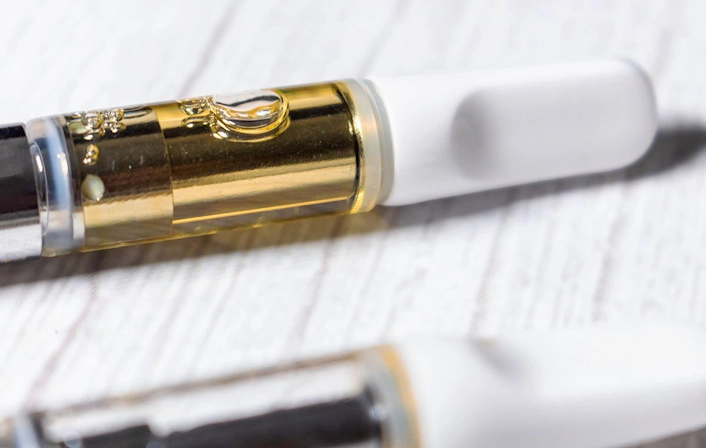
- Live resin is extracted from flash-frozen flower at low temperatures, preserving the plant’s natural terpenes and cannabinoids. Distillate is refined through high-heat processing that strips everything out, then adds terpenes back in.
- The difference between live resin and distillate carts shows up most in effects: live resin delivers a fuller, more complex high thanks to the entourage effect, while distillate tends to feel narrow and short-lived despite higher THC numbers.
- Live resin carts typically test lower in THC percentage than distillate, but the presence of the full terpene and cannabinoid profile often produces stronger, more well-rounded effects.
- Distillate carts aren’t inherently dangerous, but quality varies wildly—especially in unregulated markets. Reputable brands with third-party lab testing are non-negotiable regardless of which type you buy.
- Live resin is more expensive because the extraction process is more complex and requires higher-quality starting material.
Live Resin vs Distillate Carts: How They're Made and Why This Changes Your High

Photo Courtesy of Alive and Well
The live resin vs distillate carts conversation starts at the extraction level. Everything that matters about the final product—flavor, effects, potency character—is determined by how the oil is made. Understanding this is the key to understanding why the two feel so different.
From Plant to Cart — Two Different Journeys
Live resin extraction starts with flash-freezing whole cannabis flower immediately after harvest and before any drying or curing. This preserves terpenes and cannabinoids that would otherwise degrade with heat and time. The frozen flower is then extracted at low temperatures using solvents (typically butane or propane), and the resulting oil retains the plant’s original chemical profile. The live resin vs distillate difference starts right here: nothing is stripped out, and nothing is added back in.
Distillate extraction takes a different path entirely. Dried, cured flower (or even trim and leftover material) goes through rounds of high-heat refinement that isolate THC to extremely high purity (often 85–95%). The process is effective at concentrating THC, but it destroys virtually everything else: terpenes, minor cannabinoids (CBN, CBG, CBC), and flavonoids. Synthetic or botanical terpenes are then reintroduced to create flavor. The result is a product that’s technically potent but chemically incomplete.
Here’s how the two compare across key characteristics:
- Cannabinoid profile: Live resin retains the full spectrum (THC, CBD, CBN, CBG, etc.). Distillate is primarily isolated THC.
- Terpene content: Live resin preserves natural, strain-specific terpenes. Distillate uses reintroduced botanical or synthetic terpenes.
- Flavor: Live resin tastes like the actual strain. Distillate often tastes artificial, candy-like, or generically “weedy.”
- Color: Live resin is typically golden to amber. Distillate is usually clear to light yellow.
- Viscosity: Live resin is thicker and may crystallize slightly. Distillate flows more easily.
- THC range: Live resin typically tests 60–85% THC. Distillate tests 85–95%+.
- Shelf life: Distillate is more shelf-stable due to its refined nature. Live resin can degrade faster if exposed to heat or light.
Why the High Feels So Different: Effects, Potency, and Overall Experience
This is the crux of the live resin vs distillate effects conversation. Distillate has higher THC numbers on paper, which leads people to assume it’s stronger. In reality, the opposite is often true for experienced consumers.
The reason is the entourage effect, where cannabinoids and terpenes may work synergistically to amplify each other’s effects. When you strip away everything except THC (which is what distillate does), you lose that synergy. The high becomes one-dimensional: a quick cerebral spike that fades fast without much body or complexity.
Live resin preserves the full chemical profile, which means the high has layers. You feel the THC, but you also feel the supporting cast—myrcene for body relaxation, limonene for mood lift, caryophyllene for anti-inflammatory calm. You get a more complete experience that feels like smoking actual flower, just in a more convenient format. When people ask live resin vs distillate which gets you higher, the honest answer is: distillate gives you a higher THC percentage, but live resin gives you a better, more complete high.
Pros and Cons of Live Resin Carts vs. Distillate Carts

Photo Courtesy of Alive and Well
The live resin vs distillate carts tradeoffs are heavily talked about across cannabis communities. Here’s how live resin stacks up against distillate across real users.
Live Resin vs. Distillate Pros
Live resin cart pros include:
- Fuller, more well-rounded effects because the plant’s natural cannabinoids and terpenes are preserved
- Strain-specific flavor that tastes authentic and closely reflects the original flower
- A smoother inhale compared to many distillate carts
- An experience that feels closer to traditional flower
- More depth overall, making them better suited for regular users
Distillate cart pros include:
- Lower cost and wider availability across most dispensaries
- Higher THC percentages, which appeal to users looking for stronger immediate effects
- Better shelf stability compared to live resin
- Consistent potency from batch to batch due to standardized production
Live Resin vs. Distillate Cons
Live resin cons include:
- Higher cost due to better starting material and a more complex extraction process
- Lower THC percentages on paper, which can be misleading for less experienced buyers
- Oil that can crystallize over time, especially with temperature changes
- A need for more careful storage, as heat and light can degrade quality
Distillate cons include:
- A flatter, more one-dimensional high due to the lack of a full cannabinoid and terpene profile
- Flavor profiles that can taste artificial or generic because terpenes are reintroduced
- Effects that may fade faster despite a strong initial hit
- A harsher inhale, especially with lower-quality formulations
- Significant variation in quality, particularly in unregulated markets
Choosing Your Cart: Live Resin vs Distillate Vape
Herb
The live resin vs distillate vape decision ultimately comes down to what you value most. If you prioritize the cheapest possible price and the highest THC number on the label, distillate works. If you want a complete, strain-specific experience that actually feels like cannabis, live resin is the clear choice.
A few considerations when buying either format online: look for brands that publish full Certificates of Analysis (COAs) showing cannabinoid potency, terpene content, and contaminant testing (pesticides, heavy metals, residual solvents). Transparent labeling matters. You should be able to identify the exact strain, the extraction method, and whether any additives are present.
For the live resin vs distillate vape shopper who’s still on the fence: try one live resin cart from a reputable brand and compare it directly to whatever distillate you’ve been using. The difference between live resin and distillate carts becomes obvious within the first few sessions. Most people who make the switch don’t go back… myself included.

Frequently Asked Questions
What's the main difference between live resin and distillate?
Live resin is extracted from flash-frozen flower at low temperatures, preserving the plant’s full terpene and cannabinoid profile. Distillate is refined through high-heat processing that isolates THC and strips away everything else, then adds terpenes back in artificially.
Does distillate or live resin make you higher?
Distillate has higher THC percentages (85–95%), but live resin often produces stronger overall effects due to the entourage effect—the synergy between THC, terpenes, and minor cannabinoids working together. Live resin vs distillate which gets you higher depends on how you define “higher”: more THC on paper vs. a more complete experience.
Is live resin better than distillate?
For most experienced consumers, yes. Live resin delivers fuller flavor, more complex effects, and a high that feels closer to smoking actual flower. Distillate has advantages in price and shelf stability, but the experience is more one-dimensional.
Are distillate carts bad for you?
Not inherently. Distillate from reputable, lab-tested brands is safe to consume. The risk comes from unregulated or untested products: cheap distillate carts from unknown sources may contain cutting agents, residual solvents, or contaminants. Always buy from brands that publish COAs.
Why are live resin carts lower in THC compared to distillate?
Because live resin preserves the full chemical profile of the plant, terpenes, minor cannabinoids, and other compounds take up space that would otherwise be pure THC. Distillate refines everything down to near-pure THC, which inflates the percentage but removes the compounds that make the high feel complete.
Why is live resin more expensive than distillate carts?
Live resin requires higher-quality starting material (whole flower vs. trim), a more complex extraction process (flash-freezing + low-temperature extraction), and more careful handling throughout production. The input costs and processing complexity are higher, which is reflected in the price.
Which lasts longer: live resin or distillate carts?
In terms of shelf life, distillate is more stable due to its refined nature. In terms of how long a single cart lasts with regular use, it depends on your consumption habits. Both come in standard 1g sizes and deplete at roughly the same rate. Live resin may crystallize slightly over time, but it’s safe and still effective to consume.
The Herb Community

Photo Courtesy of Alive and Well
For more than a decade, Herb has been a gathering place for people who love, use, and are simply curious about cannabis. What started as a small corner of the internet has grown into a community where millions come to learn, share, and stay connected to cannabis culture.
Here’s what you can tap into at Herb:
- Learning hub and guides that break things down clearly, from growing weed outdoors to understanding how terpenes impact your high
- News hub that spotlights the latest cannabis culture and policy shifts
- Dispensary directory to help you find licensed shops in your local area
- Monthly strain picks, featuring rotating Indica, Sativa, and Hybrid favorites
- Deals page, updated monthly with the best cannabis discounts available online
Stay connected with the Herb community by subscribing to our newsletter, following us on Instagram, and X for the latest in cannabis lifestyle and culture.
Herb Recommended Products:
READ MORE