
max kukurudziak
How to Buy Weed in Ukraine in 2026: Kyiv & Medical Access
Ukraine has a regulated medical cannabis framework, but tourists cannot legally buy recreational cannabis in Kyiv or anywhere else in the country.

Ukraine sits in a complicated place in cannabis culture right now: reform is real, curiosity is high, and travelers still need a grounded answer. Here is the direct answer to how to buy weed in Ukraine in 2026: tourists cannot legally buy recreational cannabis in Kyiv or anywhere else in the country. How to buy weed in Ukraine is a legal-access question, not a nightlife shortcut, because the lawful path runs through electronic prescriptions, registered or pharmacy-compounded products, and pharmacy dispensing for eligible patients within a unified state tracking system.
That distinction matters because search results still mix three separate issues together: small-possession summaries, medical legalization, and underground buying in Kyiv. They are not the same thing. Ukraine now has a real medical cannabis framework, but it created a prescription-and-pharmacy system for patients rather than a dispensary market for travelers. The law took effect on August 16, 2024, yet recreational cannabis remains illegal outside the medical framework and can trigger administrative or criminal liability depending on the conduct, quantity, and circumstances.
Quick answer: If you are not a patient using Ukraine’s regulated prescription-and-pharmacy pathway, there is still no legal THC purchase channel for tourists in 2026.
| Search Question | Short Answer | Why It Matters |
|---|---|---|
| Can tourists buy weed in Ukraine? | No. Recreational tourist sales are still illegal. | There is no dispensary-style visitor market. |
| Can patients access cannabis legally? | Yes, but only through electronic prescriptions and pharmacies inside the medical framework. | Legal access is medical, not recreational. |
| Can you bring weed or CBD into Ukraine? | Cannabis medicines containing controlled substances require compliant documentation. CBD products should be checked product-by-product. | Customs compliance is separate from domestic law. |
Key Takeaways

andreas m
- Ukraine’s medical cannabis law took effect on August 16, 2024, though that did not legalize recreational weed sales for visitors. Recreational cannabis remains illegal outside the medical framework and can trigger administrative or criminal liability depending on the conduct, quantity, and circumstances.
- A 2024 KIIS survey of 1,067 adults found 43% viewed medical cannabis legalization positively, 16% negatively, and 41% were neutral or unsure.
- When the issue was framed around pain relief for patients and wounded service members, support rose to 57%, which helps explain why reform accelerated during wartime.
- Ukraine’s 2026 quota system gave medical cannabis-based substances national quotas for the first time, and the state drug-control service confirmed six substances were already registered while another 18 were in registration.
- Legal access runs through electronic prescriptions, registered finished medicines or pharmacy-compounded medicines, and pharmacy dispensing tracked in a unified state control system, not through walk-in dispensaries.
Why Searchers Ask How to Buy Weed in Ukraine

Readers keep searching this phrase because the rules look simple in headlines yet remain confusing once medical access, possession summaries, and rumor collide. Some pages overemphasize small-possession summaries and leave readers with the wrong impression that buying must also be legal. Others lean into underground Kyiv chatter without explaining what the medical law actually changed.
A broader trust problem also shapes cannabis discovery content. Readers often complain that directory-style cannabis search can feel stale, inaccurate, or too generic to trust when legal risk is involved. That is one reason people go hunting for real local answers through Reddit, Telegram, or old forum posts instead.
That is why this guide focuses on the difference between legal access, practical access, and underground access. In Ukraine, those are still three very different things.
Is Weed Legal in Ukraine in 2026?
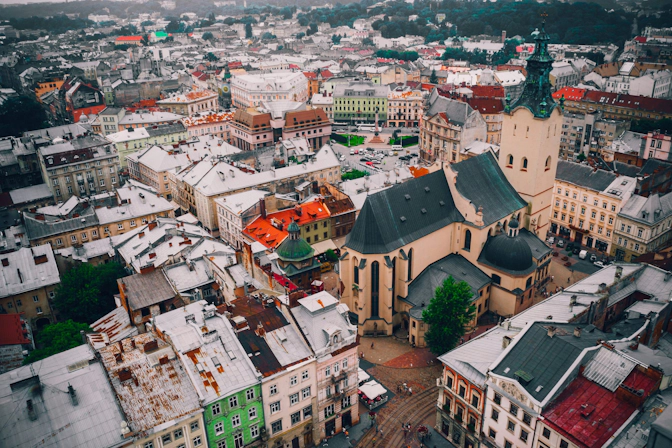
andriyko podilnyk
Ukraine allows tightly controlled medical cannabis access for eligible patients, but recreational sales and ordinary tourist purchases remain illegal nationwide in 2026.
That short answer matters because the search term implies a retail market that does not yet exist. Ukraine’s reform created a medical framework, not an adult-use one. The law that came into force on August 16, 2024 permits cannabis circulation for medical, scientific, and industrial purposes under state controls. The same reform did not create licensed coffee shops, tourist dispensaries, or an Amsterdam-style city scene.
Separating possession language from purchase legality matters too. Even where readers see summaries about lighter treatment for very small amounts, that still does not create a legal retail market. A country can distinguish between possession consequences and purchase legality while still banning sale, supply, and public retail.
Searchers should take away one point: Ukraine has moved forward on medical cannabis reform, but non-patients still have no legal store for buying THC cannabis.
How to Buy Weed in Ukraine as a Tourist
Tourists cannot legally buy recreational cannabis in Ukraine, because Kyiv and every other city remain under the same national prohibition.
Kyiv gets most of the search interest because it is the capital, the biggest city most travelers know, and the place where underground access is most often discussed in travel-style articles. That can make the city sound more permissive than it is. It is not. Ukrainian cannabis law is national, so Kyiv does not have a local carveout for foreigners, a tolerated district, or a licensed THC retail system for short-term visitors.
Kyiv may receive more public attention because national institutions and media are concentrated there, but cannabis law remains national and there is no verified separate Kyiv access channel for tourists. The legal path is still prescription-based, and the state says circulation is monitored from cultivation to dispensing through a unified accounting and control system.
That makes Kyiv different from places where legal access is part of the visitor experience, such as Amsterdam. Kyiv may be the most visible Ukrainian city for cannabis discussion, but it is still not a legal buying destination for tourists.
Ukraine's Medical Cannabis Law in Plain English

anastasiia krutota
Ukraine’s medical cannabis law created a controlled supply chain for patients, doctors, producers, and pharmacies rather than a free-market recreational system.
In plain English, the law says cannabis can be used in Ukraine for medical purposes if the product, the prescription, and the supply chain all fit the regulated framework. Doctors can prescribe approved cannabis-based medicines. Licensed businesses can cultivate, manufacture, import, and distribute products within quotas. Pharmacies can dispense them. The state tracks those movements through centralized controls.
That framework was not created in a vacuum. The wartime context mattered. The Associated Press reported that the war had left thousands of people with post-traumatic stress disorder and that many Ukrainians believed cannabis-based treatment could ease stress and trauma-related suffering. That is one of the biggest reasons Ukraine moved faster on reform than many outside observers expected. Because qualifying conditions and prescribing rules are controlled by Ukraine’s health authorities, readers should not assume PTSD automatically qualifies without current medical confirmation.
Readers new to the issue should compare it with a pharmacy-regulated medical model, not a recreational legalization model. It is closer to a controlled medicines framework than to a consumer cannabis market.
How to Buy Weed in Ukraine: 2026 Rollout
Ukraine’s 2026 rollout matters because legal access now exists on paper, while real availability still depends on registration, quotas, and pharmacies.
The official picture supported here is straightforward:
- 2026: Ukraine approved national quotas covering production, manufacture, storage, import, export, and cultivation for medical cannabis-based substances, according to the State Service of Ukraine on Medicines and Drugs Control.
- 2026: The same official update said six cannabis-based substances had been registered and another 18 were in state registration.
That implementation snapshot is the key fact most ranking pages miss. The law’s existence is not the same as full market maturity. Ukraine has a legal medical structure now, yet product availability, pharmacy coverage, and practical access are still developing. That is why two statements can both be true in 2026: medical cannabis reform is real, and legal buying options remain narrow unless you are a qualified patient with the right documentation.
How to Buy Weed in Ukraine Legally as a Patient
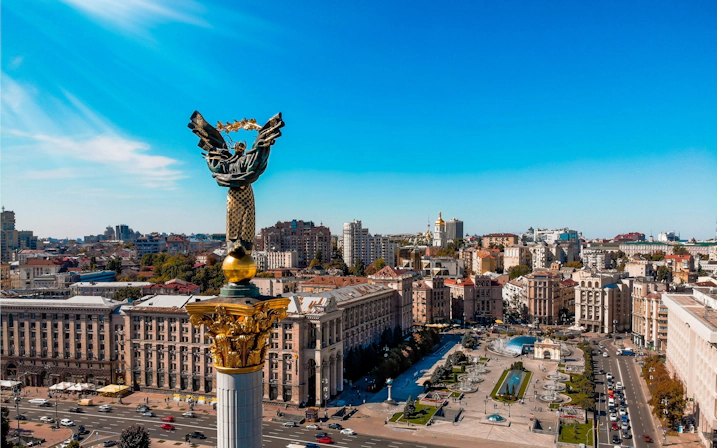
glib albovsky
Patients can legally access cannabis-based medicines through Ukraine’s regulated medical system, including electronic prescriptions, registered finished medicines or pharmacy-compounded medicines where permitted, and dispensing through pharmacies operating within the state tracking system.
Legally, the process is straightforward even if availability is still limited:
- Confirm a qualifying medical need with a licensed clinician operating inside Ukraine’s medical framework.
- Get a valid electronic prescription for a registered or pharmacy-compounded cannabis-based medicine, not informal recreational cannabis.
- Verify that the product is actually registered and moving through Ukraine’s controlled supply system.
- Fill the prescription at a participating pharmacy rather than looking for a dispensary or tourist storefront.
- Keep your paperwork with you because legal access depends on documentation, not informal local tolerance.
According to the State Service of Ukraine on Medicines and Drugs Control, circulation is supposed to be controlled across the full chain: cultivation, production, manufacture, import, export, transport, storage, dispensing, and use. The legal model is built around traceability rather than casual availability.
Patients should expect a standard medical route, not a tourism route. That means a valid medical reason evaluated by a clinician, an electronic prescription for a registered or pharmacy-compounded cannabis-based medicine, dispensing through a pharmacy operating within the controlled framework, and product availability limited by registration status and quota-backed supply.
Ukraine's Early Medical Market Is Still Narrow
Ukraine’s early medical cannabis market is real in legal terms, though it is still narrow in product depth, pharmacy reach, and everyday familiarity.
Readers often swing between two bad assumptions. One is that medical legalization changed nothing. The other is that legalization means shelves are already full and access is frictionless. The official record points somewhere in between. Ukraine has already done the hard legal work of authorizing circulation, setting quotas, and moving products through registration. At the same time, the market is still young enough that access will depend heavily on what has actually cleared registration, what pharmacies are prepared to dispense, and what doctors are comfortable prescribing.
The 2026 drug-control update makes that transition visible. The state did not just restate the law. It described quotas for production, manufacture, storage, import, export, and cultivation, and it confirmed that medical cannabis-based substances received national quotas for the first time. It also stated that six substances were registered and 18 more were in state registration. Those are implementation signals, not just policy talking points.
Patients should ask a different question now. Instead of “Is medical cannabis legal at all?” ask “Which products are actually moving through the system right now, and where?” For travelers, the same facts lead to the opposite conclusion. A market still developing for patients is obviously not built for casual tourist purchases.
Ukraine also differs here from destinations that already function as recognizable consumer cannabis markets. In Ukraine, the hardest part is understanding whether your use case belongs inside the medical system at all. The Germany guide is a useful contrast because it shows what consumer-facing reform looks like once ordinary access becomes more visible.
Kyiv vs Lviv vs Odesa: What Changes on the Ground
Kyiv, Lviv, and Odesa feel different culturally, but the legal answer stays the same: none of them offers a legal tourist THC market in 2026.
| City | Legal Status | Practical Reality |
|---|---|---|
| Kyiv | National law applies | Highest visibility, no legal tourist THC sales; no verified separate access channel |
| Lviv | National law applies | Tourist city, same restrictions as Kyiv |
| Odesa | National law applies | Port-city reputation, no separate legal market |
Lviv draws more tourism and often gets treated as culturally distinct, though it does not operate under different cannabis rules. Odesa has a freer reputation in some travelers’ minds, but that reputation does not override the law.
Travelers comparing Ukraine with more permissive parts of Europe can use the Prague guide as a reminder that a city can feel cannabis-friendly without offering a fully legal tourist market. City reputation often travels faster than legal reform, especially once nightlife, student culture, and tourist demand get mixed together.
Why Ukraine's Reform Accelerated During the War

alice kotlyarenko
Ukraine’s medical cannabis reform accelerated because wartime injuries, trauma, oncology care, and chronic pain pushed patient access higher on the national agenda.
One major context gap in search results is the wartime backdrop. The reform story is not mainly about recreational culture. It is about patient need in a country reshaped by full-scale war. AP reported that the push gained momentum after Russia’s invasion because many people were dealing with stress, anxiety, and post-traumatic consequences of the war. The law’s defenders argued that patients, including wounded service members, needed additional pain-management and treatment options.
Public opinion also moved in that direction. In the KIIS survey from May 16-22, 2024, 43% of respondents said they had a positive attitude toward medical cannabis legalization, while 16% were negative and 41% were neutral or uncertain. When the question explicitly emphasized pain relief for patients, including cancer patients and wounded military personnel, support rose to 57%, with 14% opposed and 28% neutral or undecided.
Those figures help explain why Ukraine’s reform has a different moral framing than many Western legalization debates. The country’s argument has centered on care, recovery, and practical treatment access during national crisis.
Street Buying in Ukraine Still Carries Risk

herb
Street buying, Telegram deals, and darknet orders remain risky in Ukraine because they sit outside the legal medical framework and expose buyers to legal, quality, and personal-safety problems.
Many travel guides go wrong here. They treat underground access as the main answer to the search query. That may reflect how some people actually source cannabis in Kyiv, though it does not make the route lawful or smart. Once you step outside the medical system, you lose product traceability, quality control, and any plausible legal cover.
Recreational cannabis remains illegal outside the medical framework and can trigger administrative or criminal liability depending on the conduct, quantity, and circumstances. The less discussed risk is product uncertainty. Underground cannabis can vary widely in strength, contamination, and storage quality. That matters even more in a country under wartime pressure, where logistics, enforcement, and local trust networks are unstable.
If your goal is legal access, destinations like Berlin are better reference points than Kyiv. The Paris guide is another example of a city where street visibility and legal reality do not line up neatly.
Can You Bring Weed or CBD Into Ukraine?

Enecta Cannabis Extracts / Unsplash
Travelers should treat cannabis products as controlled substances unless they clearly meet Ukraine’s narrow medical-import documentation rules at the border.
Ukraine’s customs guidance for medicines containing narcotic or psychotropic substances is stricter than most tourists expect. The State Customs Service of Ukraine says individuals may import medicinal products containing controlled substances only under certain conditions, including a doctor’s prescription or medical document, and only within the quantity specified for personal treatment.
That does not create a green light for ordinary weed travel. It means narrow medical import is possible under documentation rules. For everyone else, arriving with flower, vape cartridges, edibles, or oils creates obvious legal risk.
CBD deserves separate consideration. CBD isolate may be excluded from Ukraine’s controlled-substance list, while CBD foods and supplements may still face other regulatory requirements. Travelers should check CBD products product-by-product because THC traces, product category, and border interpretation can change the risk. The safest assumption is that cross-border cannabis-derived products require documentation you probably do not have.
Readers who are thinking beyond Ukraine should review the guide to traveling with weed. If the product in question is a gummy or other infused item, the flying-with-edibles explainer is the more specific starting point.
How to Buy Weed in Ukraine: Best Practices

illia cher
Separate medical paperwork, travel planning, and cannabis expectations before you ever arrive in Ukraine, because those three issues do not move together.
If you are a traveler, assume there is no lawful retail route for recreational cannabis and plan accordingly. If you are a patient, confirm whether your product is actually registered or recognized inside Ukraine’s medical system before you travel. If you live in Ukraine and are exploring treatment options, start with licensed medical advice rather than online sourcing chatter.
Practical best practices include:
- Verify the current rule with an official source, not a forum repost.
- Treat Kyiv, Lviv, and Odesa as one legal framework, not separate cannabis destinations.
- Keep medical documentation organized if your question involves controlled medication.
- Do not assume CBD is automatically safe at the border; check product-by-product.
- Separate “small possession may be treated differently” from “buying is legal,” because those are different questions.
- Use travel comparisons carefully by checking places where the legal market actually exists, because European assumptions can be misleading in restrictive markets.
How to Buy Weed in Ukraine: Common Mistakes
The most common mistake is assuming medical legalization created a legal buying channel for everyone when it actually created a regulated path for patients.
The second mistake is trusting city myths. Travelers often assume capitals are looser, port cities are more permissive, or tourist centers tolerate informal sales. Ukraine’s cannabis law does not work that way. The third mistake is using underground-source guides as legal advice. They may describe what happens informally, but they do not answer what is lawful or safe.
Another frequent mistake is treating possession summaries as a shopping guide. Even if a legal summary says small possession is handled more lightly, that still does not tell you where product came from, whether it is tested, or how police interpret the situation. The final mistake is carrying cannabis products across borders based on rules from other countries. A cartridge that feels ordinary in Berlin, Toronto, or parts of the US can become a customs problem in Ukraine.
Readers comparing cannabis frameworks across Europe should keep Ukraine in its own category. It has meaningful medical reform momentum, no tourist retail market, and a legal environment that still rewards caution.
Final Verdict
There is no single best answer for every reader because most people searching this topic are trying to solve different problems.
For patients, journalists, and anyone verifying what medical legalization changed, the State Service of Ukraine on Medicines and Drugs Control is the strongest official source. It documents quotas, registration progress, and the prescription-and-pharmacy framework directly.
For border questions, the State Customs Service of Ukraine makes more sense because import conditions and medical paperwork are a different problem from domestic legality.
For cannabis enthusiasts comparing Ukraine with true travel-friendly markets, for guides to Germany, Amsterdam, and other destinations where cannabis access is more clearly defined, including Herb’s coverage of cannabis destinations worldwide, Herb’s guides section has the full picture.
Frequently Asked Questions
Is weed legal in Ukraine?
Ukraine allows tightly controlled medical cannabis for eligible patients, while recreational cannabis remains illegal outside the medical framework and can trigger administrative or criminal liability depending on the conduct, quantity, and circumstances. The medical cannabis law took effect on August 16, 2024, and official 2026 updates confirmed quotas, product-registration progress, and pharmacy-controlled circulation.
Can tourists buy weed in Kyiv?
No. Tourists cannot legally buy recreational cannabis in Kyiv or elsewhere in Ukraine. National law applies equally across all cities, and there is no verified separate Kyiv access channel for tourists. The legal route is limited to the regulated medical system, unlike places covered in the Malta guide, where the reform conversation is much more consumer-facing.
Can patients buy cannabis-based medicine in Ukraine now?
Yes, but only through electronic prescriptions, registered or pharmacy-compounded cannabis-based medicines, and participating pharmacies operating within the state tracking system, with real-world availability still expanding as the medical system matures. Official 2026 updates confirm six cannabis-based substances have been registered and 18 more are in state registration.
What happens if you are caught with weed in Ukraine?
Recreational cannabis remains illegal outside the medical framework. Consequences can include administrative or criminal liability depending on the conduct, quantity, and circumstances. Any purchase outside the medical system creates legal risk, and even small-amount summaries do not make the product lawful to purchase. Travelers should not assume informal tolerance applies to them.
Can you bring weed or CBD into Ukraine?
Cannabis medicines containing controlled substances require compliant medical documentation and quantity limits per Ukraine’s customs guidance. CBD products should be checked product-by-product because THC traces, product category, and border interpretation can change the risk. The safest assumption is that cross-border cannabis-derived products require documentation you probably do not have.
This article is for informational purposes only and does not constitute legal advice. Cannabis laws, regulations, and enforcement practices change frequently and vary by jurisdiction. The information provided reflects sources available at the time of publication and may not reflect subsequent legal developments. Always verify current laws with official government sources before traveling. Herb does not encourage or condone any activity that violates applicable local, national, or international law.
Herb Recommended Products:
READ MORE