Two people sharing joint inside convertible watching ocean sunset view

Herb

How to Buy Weed in Turks and Caicos in 2026: Island Cannabis Laws and the Tourist Reality

You cannot legally buy weed in Turks and Caicos. Cannabis remains a controlled substance under local law, CBD products are prohibited at the border, and penalties for possession are among the most severe in the Caribbean. This guide covers the exact law, real enforcement risks, what happens to tourists who get caught, and which nearby islands offer legal or decriminalized alternatives.

You cannot legally buy weed in Turks and Caicos. Cannabis is a controlled substance under the Control of Drugs Ordinance; no dispensaries exist, no decriminalization applies, and no exceptions are made for tourists or medical patients. Possession carries fines up to $40,000 and up to 3 years in prison. There is no legal pathway.

The Turks and Caicos is one of the few Caribbean destinations that has not followed the regional decriminalization trend. The water is improbably blue, Grace Bay ranks among the world’s most beautiful beaches, and the pace of life feels like an antidote to everything. But the island’s famously laid-back vibe does not extend to its cannabis laws.

Cannabis is a controlled substance under local law, enforcement at customs is strict, and beach vendors who approach tourists at Grace Bay carry risks that go well beyond a legal citation. There are no dispensaries, no medical cannabis exceptions, no decriminalization provisions, and no special treatment for tourists, regardless of where you traveled from.

That said, cannabis culture exists on the island. Vendors approach tourists in resort zones. The smell of cannabis drifts through parts of Providenciales. And travelers from US legal states and Canada frequently arrive with confident but incorrect assumptions about how enforcement works in practice.

This guide covers the exact law, what the penalties actually look like, what happens on the ground in Provo, whether your CBD gummies or medical card provide any protection, and which nearby Caribbean islands are genuinely safer choices for cannabis enthusiasts.

The Turks and Caicos are a high-risk destination for cannabis travelers. Cannabis remains fully prohibited, CBD and THC derivatives are restricted at the border, and official tourism guidance warns of severe penalties.

  • Cannabis, including flower, edibles, CBD products, and vape pens, is fully illegal in Turks and Caicos under the Control of Drugs Ordinance with no exceptions for tourists or residents.
  • Possession carries penalties up to a $40,000 fine and 3 years imprisonment on summary conviction, or an unlimited fine and 7 years imprisonment before the Supreme Court.
  • TCI law does not distinguish hemp-derived CBD from THC. CBD gummies and hemp vape pens are treated identically to cannabis flower at the border.
  • Your US medical marijuana card, Canadian prescription, or UK doctor’s letter provides zero legal protection on TCI soil. No medical cannabis framework exists here.
  • Beach vendors at Grace Bay and Sapodilla Bay do approach tourists, and TCI safety advisories warn that dealers are often affiliated with local gangs and that tourists have been shot attempting to buy drugs on the island.
  • Jamaica, the US Virgin Islands, and Trinidad and Tobago offer legal or decriminalized alternatives that are far safer choices for cannabis-friendly Caribbean travel.

Three specific misconceptions consistently lead tourists to seriously underestimate TCI cannabis law enforcement, each rooted in a different false inference about island culture, home country law, and vendor behavior.

The confusion is understandable. Turks and Caicos looks, feels, and markets itself like the kind of place where no one is in a hurry about anything. The broader Caribbean region has moved toward cannabis reform at a steady pace since Jamaica decriminalized in 2015. The US Virgin Islands legalized adult-use cannabis in January 2023, though travelers should confirm current retail availability with the USVI Office of Cannabis Regulation before planning around legal purchases. Trinidad and Tobago decriminalized small personal amounts in 2019.

Travelers from legal US states and Canada arrive having normalized cannabis so thoroughly that asking “can I bring my vape pen?” feels no different from asking about sunscreen. They have read generic “Caribbean cannabis travel” posts that blur the legal status of individual islands. And the island’s atmosphere, genuinely laid-back in ways that few Caribbean destinations match, reinforces the intuition that enforcement must be equally relaxed.

  • “The vibe is chill, so the laws must be too.” The social atmosphere of Providenciales has nothing to do with how TCI Border Force agents screen arriving passengers or how the courts sentence convicted tourists. Enforcement culture is not a function of beach temperature.
  • “I’m from a legal state or Canada, so my home country’s laws protect me abroad.” They do not. From the moment you enter TCI airspace, you are under TCI jurisdiction. Your state medical card, Canadian authorization, or doctor’s note carries zero legal weight with a TCI customs agent.
  • “A vendor on the beach seemed confident it was fine.” Vendor confidence is not a legal guarantee. TCI safety advisories warn that dealers in tourist zones are often affiliated with local gangs. Their apparent certainty is a feature of the transaction, not evidence of legal tolerance.

The rest of this guide gives you the actual legal picture so you can make informed decisions rather than operating on assumptions that have created serious problems for other travelers.

Cannabis is fully illegal in Turks and Caicos, classified as a controlled substance with no legal exceptions for personal use, medical necessity, or tourism of any kind. The answer for anyone wondering: there is no legal way to buy weed in Turks and Caicos.

There is no decriminalization for small amounts, no licensed dispensaries, no medical cannabis program, and no grey area for tourists carrying products legal in their home country. The Turks and Caicos has its own legislature as a British Overseas Territory and have not adopted the cannabis reform measures that have become increasingly common across the Caribbean since Jamaica decriminalized personal possession in 2015.

The governing law is the Control of Drugs Ordinance, a statute passed by the TCI Parliament, not the UK Parliament. This distinction matters: the UK’s domestic cannabis policies and any Commonwealth-level discussions do not automatically apply to TCI. Enforcement falls under the TCI Border Force and the Royal Turks and Caicos Islands Police Force.

For cannabis enthusiasts who research drug laws before travel internationally, Turks and Caicos sits firmly in the “fully prohibited” column. This guide gives you the complete picture so you can plan your trip accordingly.

The Control of Drugs Ordinance is the foundational statute governing all drug offenses in Turks and Caicos. Passed by the TCI Parliament, not the UK government, this law classifies cannabis as a controlled substance with criminal penalties for possession, importation, cultivation, and supply.

  • Possession: Illegal for any amount. There is no minimum threshold and no “personal use” exemption that reduces the offense to a civil matter.
  • Importation: Bringing cannabis into TCI, whether in luggage, on your person, through the mail, or by sea, carries the most severe penalties.
  • Cultivation: Growing cannabis plants is prohibited.
  • Supply and trafficking: Distribution and sale carry the highest penalties under the statute, with Supreme Court sentencing in serious cases exceeding published maximums.

The cannabis prohibition remains in force under the Control of Drugs Ordinance, originally enacted in 1976 and amended over time. No public evidence of an active government cannabis legalization bill was found as of this review. If the TCI House of Assembly publishes a new legislative calendar, that would be the place to confirm current activity.

TCI is a British Overseas Territory with its own self-governing legislature, meaning UK cannabis law changes, including any future reform in England, Scotland, or Wales, have no bearing on what is legal in Providenciales, Grand Turk, or Salt Cay. Travelers sometimes assume British territories follow British law; in TCI, that assumption is incorrect on drug policy.

Cannabis possession in Turks and Caicos carries criminal penalties that are among the most severe for tourists in the Caribbean region. Penalties vary by offense type and the quantity involved.

According to the Control of Drugs Ordinance, maximum statutory penalties are as follows:

OffenseMaximum FineMaximum Prison Term
Simple possession (summary conviction)Up to $40,000

USD

Up to 3 years
Simple possession (Supreme Court)UnlimitedUp to 7 years
Possession with intent to supply

(summary conviction)

Up to $50,000

USD

Up to 4 years
Possession with intent to supply (Supreme Court)UnlimitedUp to 15 years


A few important clarifications on how these penalties work in practice:

  • First-time offenders are not guaranteed leniency. Some legal observers note that first-time offenders found with small amounts may receive reduced penalties at the judicial discretion. This is not a formal provision. Planning a trip around this possibility is not a reasonable approach to risk management.
  • Tourist status provides no protection. Foreign nationals are subject to the same legal framework as residents. Coming from a US legal state, Canada, or a country with liberal cannabis laws has no bearing on your legal outcome in TCI.
  • Quantity determines penalty tier. Larger quantities can shift the charge from simple possession to intent to supply, a far more serious offense with potentially unlimited penalty exposure at the Supreme Court level.
  • Airport customs is a high-risk point. TCI customs agents use detection units and conduct thorough screening of arriving and departing passengers. Being caught with cannabis at the border can lead to confiscation, severe fines, prosecution, and possible imprisonment.

Turks and Caicos welcomed approximately 2 million visitors in 2025, including around 640,000 stayover visitors. New hotel openings, including the Hotel Indigo Turks and Caicos at Grace Bay, which opened in March 2026, continue to drive that growth. With more tourists visiting than ever before, the enforcement environment has become a genuine consideration for any cannabis-minded traveler. Here is what the tourist reality actually looks like in Providenciales in 2026:

  • Cannabis is present but not tolerated. The smell of cannabis can be detected in certain neighborhoods and areas of the island. This is not a signal that enforcement is relaxed. It reflects the reality that black markets exist wherever prohibition exists. Local presence does not equal legal tolerance for visitors.
  • Enforcement may appear uneven in tourist areas, but possession and importation remain criminal offenses. Zero tolerance applies if you attract police attention for any reason, whether a noise complaint, a traffic stop, a dispute, or a vendor report.
  • The risk compounds at departure. Many tourists develop a false sense of security during their stay, only to face real exposure at departure. TCI Customs has used canine units and other screening methods at Providenciales International Airport. Being caught leaving TCI with cannabis is legally identical to being caught at arrival.
  • With tourism at record levels, travelers should not assume cannabis enforcement is relaxed. With 2 million annual visitors and ongoing resort development, TCI authorities maintain attention to drug trafficking routes that run through the islands.

Beach vendors approaching tourists at Grace Bay, Sapodilla Bay, and other resort zones are a well-documented feature of Turks and Caicos tourism. They move through tourist areas, offer cannabis to visitors with apparent confidence, and often project certainty about their product’s quality and the nature of enforcement. The reality behind that confidence is considerably more complex and more dangerous.

The vendor risk is real. TCI safety advisories explicitly warn tourists against purchasing cannabis from street vendors, noting that dealers in tourist zones are often affiliated with local gangs and that tourists have faced arrest following vendor interactions.

There is documented physical danger. Beyond the legal exposure, TCI has experienced violent incidents connected to its illegal drug trade. Tourists have been shot attempting to purchase drugs on the island. Drug networks operating in Turks and Caicos exist within a broader regional trafficking environment, and street-level transactions can intersect with that violence unpredictably.

Product quality is unverifiable. Even if a transaction completes without legal or physical incident, there is no quality control in an unregulated market. Strain origin, THC content, and cultivation method are all unknown. Contamination is possible. The highly curated, verified strain experience available through Herb’s strain database, with terpene profiles, THC/CBD ranges, and community-vetted reviews, has no equivalent on the TCI black market.

The scam economy is significant. Many vendors knowingly sell poor-quality products or, in some cases, cannabis substitutes. There is no legal recourse for a tourist who is defrauded in an illegal transaction. You have no consumer protections of any kind.

The compound risk profile, legal, physical, financial, and product-quality, makes buying from beach vendors one of the highest-risk decisions a tourist can make anywhere in the Caribbean.

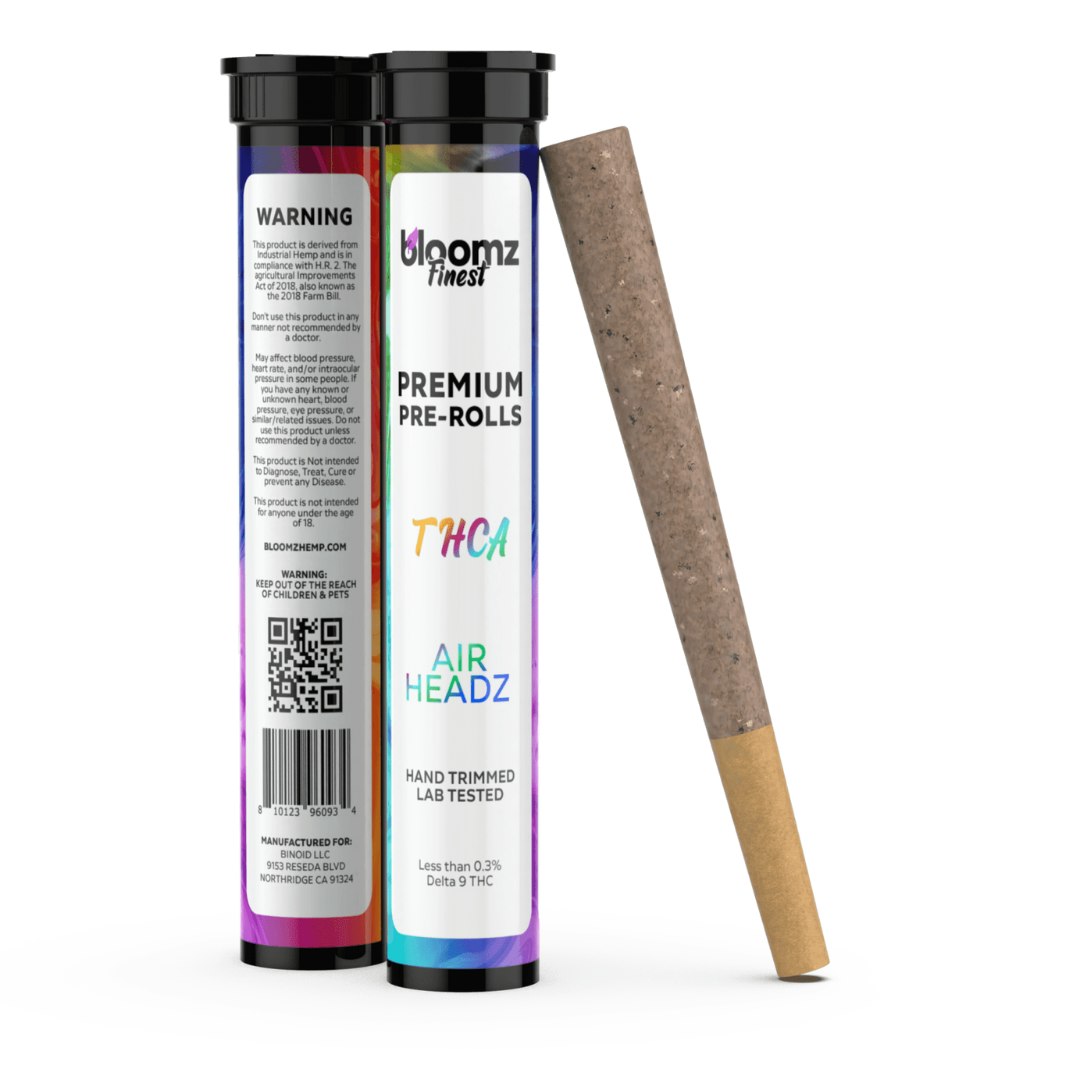
No, and this is the area where most cannabis-friendly travelers are caught off guard before departure. TCI law does not distinguish hemp-derived CBD from THC-containing cannabis products, and both are prohibited at the border.

According to the TCI customs allowances page and the TCI Border Force prohibitions list, the following products are all prohibited:

  • CBD gummies and hemp-derived edibles are prohibited regardless of THC content
  • Cannabis edibles (THC chocolates, beverages, capsules, infused products), prohibited
  • Cannabis vape pens and cartridges are prohibited (nicotine vapes fall under separate rules)
  • Cannabis oils and tinctures are prohibited
  • Hemp flower, prohibited

Some informal travel forums claim that hemp-derived CBD products with 0% THC are “tolerated” by TCI customs. This claim has no support in any official government documentation. The official TCI customs page makes no CBD exemption. Relying on informal forum advice when the downside is criminal prosecution and a potential prison sentence is not a defensible approach to travel planning.

If you are traveling from a US state with legal recreational cannabis, Canada, or another jurisdiction where CBD is sold openly in pharmacies and grocery stores, you may have packed products without considering destination-specific rules. The standard guidance applies: do not bring any cannabis-derived products into TCI in any form. Dispose of them before boarding your outbound flight.

Airline policies on cannabis products add a second layer of complexity. Even if you depart from a US legal state, federal law governs air travel within and from the United States. Cannabis products are prohibited on commercial flights regardless of state law. Check your airline’s policy on cannabis products before packing anything.

Medical cannabis card holders from US states, Canadian prescription holders, and patients with UK specialist prescriptions frequently assume their authorization provides some protection when traveling internationally. In Turks and Caicos, it provides none.

Turks and Caicos has no medical cannabis licensing framework. No dispensary licenses, no visiting patient provisions, no reciprocal recognition agreements, and no formal pathway to apply for temporary authorization as a foreign patient exist here. A US medical marijuana card is a state-issued document that carries no legal weight outside that specific state, and zero legal weight in a foreign jurisdiction. The same applies across the board:

  • US state-issued medical marijuana cards: not recognized in TCI
  • Health Canada authorization documents: not recognized in TCI
  • UK specialist prescriptions for Sativex or similar THC-based medications: not recognized in TCI
  • Israeli medical cannabis authorization: not recognized in TCI
  • Any other national or sub-national medical cannabis credential: not recognized in TCI

If you use cannabis therapeutically and are considering a trip to Turks and Caicos, consult your physician well in advance about managing your health needs without cannabis during the trip. There is no legal workaround, and presenting a medical card at customs or to police will not change your legal situation.

There are zero licensed cannabis dispensaries in Turks and Caicos. Not one. No retail dispensary licenses have been issued under TCI law, no medical dispensary framework exists, and no provisional or temporary dispensary permits have been granted for tourist-oriented sales. This makes TCI one of only a few major Caribbean tourism destinations with no cannabis retail infrastructure whatsoever.

This stands in contrast to neighboring markets. The US Virgin Islands legalized recreational cannabis in January 2023 and has been working toward retail dispensary access; travelers should confirm current availability with the USVI Office of Cannabis Regulation before planning around legal purchases. Jamaica has a regulated medical and therapeutic cannabis licensing framework under the Cannabis Licensing Authority, with herb houses in tourist areas; travelers should confirm current licensed retailers before visiting. Even some smaller Caribbean islands are exploring dispensary licensing frameworks. TCI has made no movement in this direction.

If you need to find a dispensary before or after your TCI trip, Herb’s dispensary finder covers every licensed market in the US and Canada with current hours, menus, and deals.

The black market for cannabis in Turks and Caicos is small, tourist-oriented, and subject to all the risks described in the beach vendors section above. Street prices are not standardized and fluctuate significantly based on vendor, location, and a tourist’s perceived willingness to pay. Reports suggest significant tourist-market premiums compared to regulated markets. You are paying an elevated price for an illegal product that comes with serious legal, safety, and quality risks attached.

  • Strain variety is essentially nonexistent. Black market cannabis in TCI is typically imported from neighboring islands. Its origin, cultivation methods, terpene profile, and cannabinoid content are completely unknown. The quality and experience are unpredictable in ways that simply do not exist when purchasing from a licensed dispensary.
  • Quality is deeply inconsistent. Anecdotal traveler reports suggest cannabis quality in TCI’s black market tends to be inconsistent, with buyers commonly describing mid-grade, unlabeled product with no strain information or lab testing. There is no batch testing, no labeling, and no recourse if the product is not what was described.
  • The premium is irrational when you account for total risk. Factor in attorney fees in a foreign jurisdiction, the practical difficulty of navigating TCI’s justice system as a tourist with a flight home in three days, and the physical safety risks involved. The economics of buying cannabis on the TCI black market do not add up by any reasonable calculation.

If detained in Turks and Caicos on a cannabis charge, stay silent, request consular assistance, and hire local defense counsel before signing anything. The steps you take in the first hours matter significantly to your outcome.

You have the right to remain silent under TCI law. Do not make statements to police or customs officers without legal counsel present. Anything you say can be used against you. State clearly and calmly: “I am requesting legal counsel and exercising my right to remain silent.”

As a foreign national, you have the right to contact your country’s consular office. The relevant contacts for TCI:

  • US citizens: The US Embassy in Nassau, Bahamas covers TCI. Contact the duty officer at +1 (242) 322-1181. The embassy cannot secure your release, but can provide a list of local criminal defense attorneys and notify your family.
  • Canadian citizens: The Canadian High Commission in Nassau handles TCI consular matters.
  • UK citizens: As a British Overseas Territory, UK citizens may additionally contact the TCI Governor’s Office, though standard Foreign Office protocols apply.

Do not sign statements, plea agreements, or any documents without an attorney present. The TCI justice system is a common-law system derived from English legal tradition. Fundamental protections apply, but only if you invoke them immediately and clearly.

Consular officers can provide a list of TCI-based criminal defense attorneys. Retaining local counsel as early as possible is the single most important step in managing a drug charge in a foreign jurisdiction. Do not rely on consular staff to represent you legally. Their role is access and notification, not legal defense.

If you have travel insurance with legal assistance or emergency legal coverage, contact your insurer immediately. Some policies include coverage for legal defense costs in drug-related matters abroad. Check your policy documents before you travel, not after.

A realistic note on outcomes: TCI authorities have experience processing tourist drug cases. In first-offense, small-quantity possession situations, outcomes may involve fines rather than imprisonment, but this is not guaranteed. It depends heavily on the specific judge, the circumstances of arrest, and the quality of your legal representation. The most reliable way to avoid this situation is to not bring cannabis to Turks and Caicos in the first place.

For cannabis enthusiasts planning Caribbean travel, Turks and Caicos is one of the least favorable destinations in the region. Questions about how to buy weed in Turks and Caicos consistently surface in travel forums. The answer from every credible source is: you cannot, legally.

IslandLegal StatusWhat Tourists Can Expect
US Virgin IslandsLegal recreational (US territory, since Jan 2023)Recreational use legal since 2023; confirm current retail availability with USVI Office of Cannabis Regulation before planning around legal purchases; US dollar economy
JamaicaDecriminalized + licensed medicalPersonal possession decriminalized since 2015; licensed herb house framework under Cannabis Licensing Authority; confirm current licensed retailers before visiting
Trinidad and TobagoDecriminalized for small personal amountsSmall possession decriminalized since December 2019; no tourist-facing retail, but reduced legal risk
Saint LuciaDecriminalized for small personal amountsDecriminalization enacted; no licensed retail; enforcement varies by location
BarbadosMedical cannabis legal; adult-use recreational remains illegalMedical cannabis framework in place; adult-use recreational remains illegal; reform discussions for recreational use ongoing
Turks and CaicosFully illegalZero tolerance; no decrim, no medical exceptions, no CBD exemption; possession fines up to $40,000 (summary conviction)

Cannabis tourism is a growing and economically significant segment in Caribbean destinations that have chosen legal frameworks, and its economic impact is increasingly influencing policy discussions across the region. According to Jamaica’s Cannabis Licensing Authority, licensed cannabis tourism contributed meaningfully to rural economic development across multiple parishes by 2025. The Turks and Caicos have so far remained outside this trend entirely. Here is how the top three alternatives compare for cannabis-minded travelers.

Cannabis legalization in Turks and Caicos is not an imminent prospect. No public evidence of an active government cannabis legalization bill was found as of this review. No formal government-commissioned reform studies and no organized political movement pushing decriminalization or legalization are publicly visible. This places TCI in marked contrast to regional trends. Jamaica decriminalized in 2015. Trinidad and Tobago acted in 2019. Barbados is engaged in active reform discussions for adult-use recreational cannabis. Yet TCI has not followed.

Several factors explain the legislative inertia:

  • Tourism infrastructure dependency. TCI’s economy is almost entirely dependent on high-end tourism, attracting approximately 2 million visitors in 2025. The resort and luxury hotel industry that drives this economy has historically been cautious about policy changes that could affect TCI’s positioning as a premium, conservative-leaning Caribbean destination.
  • British Overseas Territory dynamics. TCI has its own legislature and can pass its own cannabis laws. The UK has no direct authority to block reform. However, the legislative culture of the TCI Parliament has historically been conservative on social policy, and the urgency visible in fully independent Caribbean nations is less pronounced in a BOT with a smaller population and a narrower political base.
  • No organized reform movement. Effective decriminalization movements across the Caribbean were driven by civil society organizations, legal challenges, and diaspora pressure campaigns. As of 2026, no equivalent organized movement is publicly visible in TCI.
  • The economic argument has not found a political voice. With 2 million annual tourists, a cannabis-friendly framework could generate meaningful tax revenue and attract a new demographic of cannabis enthusiasts. That argument exists but has not reached formal legislative debate.

Based on the lack of visible public reform momentum, legalization does not appear imminent. For updates on cannabis law changes across the Caribbean and beyond, follow Herb News.

Despite its strict legal status, cannabis culture in Turks and Caicos exists, primarily within the island’s substantial expat community and among communities on Providenciales, where social consumption is more normalized than in formal tourist spaces.

Providenciales hosts a significant and diverse expatriate population: British, American, Canadian, French, and Scandinavian residents who have relocated to the island for its quality of life, tax environment, and natural setting. Within established expat social networks, private cannabis use is not uncommon, though it remains entirely illegal regardless of the social context or nationality.

The local Belonger community, TCI-born residents holding full citizenship, holds mixed views on cannabis:

  • Younger residents are generally more aligned with decriminalization sentiment visible elsewhere in the region.
  • Older and more conservative community members align with the law as written and the traditional moral frameworks that shaped it.

The visible presence of cannabis culture on the island can create a misleading impression of tolerance. Seeing expats or locals casually discussing cannabis, or encountering its smell in residential neighborhoods away from resorts, does not mean enforcement is relaxed. Enforcement may appear uneven across different parts of the island, but possession and importation remain criminal offenses. As a short-stay tourist, you occupy a more visible and exposed position than a long-term resident who has built relationships, local credibility, and knowledge of the social terrain.

There is no ambiguity on Turks and Caicos: do not bring cannabis in any form. The penalty structure, up to $40,000 and 3 years imprisonment for simple possession under the Control of Drugs Ordinance, is among the most severe in the Caribbean. No vendor confidence, expat assurance, or intuition about “island vibes” changes this. Here is how the decision actually breaks down for cannabis-conscious travelers:

  • Seeking the clearest legal framework in the Caribbean? The US Virgin Islands legalized recreational cannabis in 2023. Confirm current retail availability with the USVI Office of Cannabis Regulation before booking specifically for cannabis access.
  • Want the Caribbean’s most authentic cannabis culture? Jamaica has been decriminalized since 2015 with licensed herb houses in tourist zones and a cannabis tradition that predates every modern legalization trend.
  • Looking for cannabis-friendly travel with reduced personal risk? Trinidad and Tobago offers decriminalized personal possession, though no licensed retail exists.
  • Heading to TCI for the beaches, not the cannabis? Grace Bay is genuinely one of the world’s best beaches. Go for that. Leave your cannabis at home.
  • Already committed to Turks and Caicos? Plan accordingly, enjoy what the island genuinely delivers, and save cannabis for a destination where you have legal protection and quality options.

The honest answer to “how to buy weed in Turks and Caicos” is: you cannot, legally. For guides to Jamaica, the US Virgin Islands, and other cannabis-friendly destinations, browse Herb’s travel guides for destination breakdowns across 50+ cities worldwide.

Herb Recommended Products:

Featured Brands:

Herb Recommended Products:

READ MORE