How to Buy Weed in Peru: Lima, Cusco & South America’s Shifting Cannabis Laws
Understanding the harsh reality of Peru's cannabis laws, where decriminalization doesn't mean legal access for tourists
Herb
March 18, 2026
This article contains sponsored content. Some of the products featured are part of paid partnerships. This page explains how our process works.

junior moran
Understanding the harsh reality of Peru's cannabis laws, where decriminalization doesn't mean legal access for tourists
March 18, 2026
Every online search for “how to buy weed in Peru” in 2026 leads to a critical truth: there is no legal pathway for tourists to purchase cannabis. Despite possession of small amounts being decriminalized, Peru operates with a tightly controlled medical system and a complete prohibition on recreational sales. This reality stands in stark contrast to the legal markets in Uruguay or parts of the U.S. For the 14 million members of the Herb community, understanding the nuanced legal landscape of global cannabis is key to safe and responsible exploration. This guide cuts through the misinformation to provide a factual, up-to-date look at Peru’s cannabis laws and the broader South American context.

Cannabis laws can vary from country to country, so buying weed while traveling isn’t always worth the risk. Instead, come home to something that’s already waiting for you.
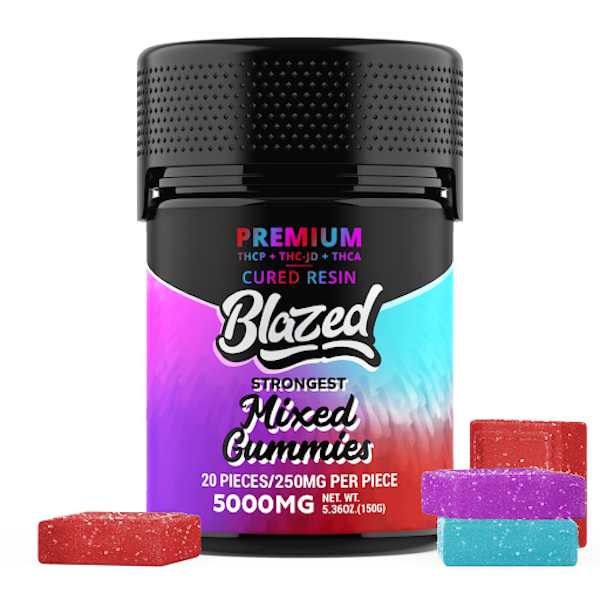
Binoid’s Blazed Gummies combine THCA, Delta 9P, and THC-JD into one edible, delivering 250mg per gummy for a total of 5,000mg across 20 gummies.
They’re available in Purple Dream, Cherry Pop, and Cotton Candy flavors. Plus, they’re vegan, gluten-free, and made in the USA. If you’re an experienced edible user looking for a blend that goes beyond the basics, this one stands out.

alexander schimmeck

alvaro palacios
Peru’s relationship with cannabis is defined by a strict legal framework that separates a nascent medical program from a wholly illegal recreational market. The cornerstone of this system is Law No. 30681, passed in November 2017, which legalized medical cannabis for therapeutic purposes. This was later refined by Supreme Decree No. 004-2023-SA, published on February 28, 2023, and which entered into force six months after publication.
Medical cannabis is a reality in Peru, but the system is tightly controlled and requires Peru-specific documentation, prescription, and registration. The system is built around RENPUC (National Registry of Cannabis and Derivatives Users Patients for Medical and Therapeutical Purposes). To access medical cannabis, a patient must:
The program distinguishes between two types of cannabis:
It’s worth noting that while the official RENPUC registration process does accept passports and foreign ID cards, the practical reality is that the system is bureaucratic and requires a Peruvian prescriber. A foreign medical marijuana card alone does not authorize purchase or import in Peru. Access, if possible at all for a visitor, depends entirely on Peru’s own prescription and RENPUC procedures. In practice, this makes the system extremely difficult for short-term tourists to navigate.
A crucial distinction in Peruvian law is the difference between decriminalization and legalization. Peru’s current non-punishable personal-possession threshold is codified in Article 299 of the Penal Code. The 8-gram rule for cannabis is tied to statutory reform of the Penal Code (notably Law 28002 in 2003), which set specific quantity thresholds for non-punishable personal possession.
This means that if you are found with 8 grams or less of cannabis, you will not be prosecuted under Article 299 of the Criminal Code. However, this is a legal defense if you are caught, not a license to buy or sell. Importantly, this limit only applies if you are in possession of a single substance; carrying multiple types of drugs nullifies the decriminalization protection entirely.
The most significant development on the horizon is the implementation of Law No. 32195, which established a legal framework for industrial hemp in December 2024. This law defines hemp as cannabis with less than 1% THC and creates a licensing system for its cultivation for food, cosmetics, textiles, and CBD extraction. While this is a positive step for the agricultural sector, the law explicitly prohibits smokable hemp products. As of late 2025, the implementing regulation was still in draft form and undergoing public consultation, so the timeline for full operationalization remains uncertain. Critically, this framework will not create a recreational cannabis market regardless of when it launches. As of this writing, no enacted recreational market or legal tourist purchase channel exists in Peru.

alvaro palacios
The idea of a “local’s guide” to buying cannabis in Lima must be prefaced with a stark warning: all sales of recreational cannabis are illegal. There are no state-sanctioned dispensaries or legal storefronts for tourists or residents to make a purchase. Any guide, therefore, is a guide to an illegal and risky activity.
Lima, as the capital, has a more active underground market than most other parts of the country. Districts like Miraflores and Barranco, popular with tourists, are often where illicit offers are made. However, “trusted sources” in this context are a misnomer. The market is unregulated, and the risk of being scammed with poor-quality or non-cannabis material is high. Stories from travelers are mixed, with some reporting smooth transactions and others detailing negative experiences with police or dishonest sellers. How police respond to tourists with small amounts can vary widely and unpredictably.
In the illegal market, pricing is opaque and quality is unreliable. Without any regulatory oversight, there is no way to verify the product’s safety, potency, or freedom from contaminants like pesticides or mold. Specific price claims you might find on traveler forums are essentially unverifiable hearsay and should not be relied upon.
The primary risks for a tourist in Lima are:
The safest course of action for any tourist is to avoid the illegal market entirely.

willian- usten de vasconcello
Cusco presents a different set of challenges for the cannabis-inclined traveler. As a major tourist hub and the gateway to Machu Picchu, the area has a significant police presence, often focused on tourist safety.
The 8-gram decriminalization limit is a national law, but enforcement practices can vary by location. The historic center is a high-traffic area where the risk of being searched is elevated. Any “discreet options” are part of the illegal market and carry the same risks of scams and poor quality as in Lima.
Cusco sits at a high altitude (over 11,000 feet), and many visitors experience symptoms of altitude sickness. While some might consider cannabis as a remedy, its effects can be unpredictable at high altitudes and may potentially compound certain symptoms. The legal and health risks are simply not worth it. A traditional and culturally accepted option for altitude-related discomfort is coca tea (mate de coca), which is widely available throughout the Andean region.
Peru is a country with deep cultural and historical roots. The region around Cusco is home to sacred Incan sites, including Machu Picchu. Bringing cannabis to these sites is illegal under the official visitation regulations, which explicitly prohibit drugs and illegal substances, and is also deeply disrespectful. The Peruvian government takes the protection of its archaeological heritage very seriously, and any violation of the rules can lead to severe penalties.

aarom ore
Peru’s restrictive stance places it in the middle of a continent that is rapidly evolving on cannabis policy. Understanding this regional context helps explain why Peru’s laws feel so out of step with some of its neighbors.
Uruguay stands alone as the only country in South America with a fully legal recreational market. However, adult-use access is limited to Uruguayan citizens or permanent residents, so tourists are effectively locked out.
Colombia has decriminalized personal possession of up to 20 grams and has an active medical cannabis program. The legal climate is generally more permissive than Peru’s, though tourist access to the medical system is not straightforward.
Argentina has a regulated medical and home-cultivation pathway through its REPROCANN system. Personal use has been subject to decriminalization rulings, though the legal landscape remains complex.
Chile and Ecuador have both taken steps toward decriminalization of personal possession and have varying degrees of medical or hemp/CBD frameworks, though neither has a legal recreational market.
Bolivia remains one of the most restrictive countries in the region, with no legal medical or recreational cannabis framework.
Peru’s 8-gram decriminalization limit is actually one of the lower thresholds in the region, and its total lack of a recreational market keeps it firmly on the more restrictive end of the spectrum. Across all these countries, no nation in South America currently offers a legal recreational purchase pathway for tourists.
For travelers planning a multi-country trip in South America, it is essential to understand that cannabis laws are not harmonized. What is tolerated in one country can be a serious offense in the next. Never attempt to transport cannabis across international borders. Even if you are in a country with a legal market, crossing into Peru with any amount of cannabis is a serious crime with potentially severe penalties, including long prison sentences.
The trend in South America is clearly toward greater acceptance of medical cannabis and decriminalization of personal use. The primary drivers are public health arguments, the failure of the war on drugs, and the potential economic benefits of a regulated market. Peru’s new industrial hemp law is a sign that the government is beginning to recognize the economic potential of the cannabis plant, but a full recreational market is not on the immediate political horizon. The focus remains on medical and industrial applications.
herb
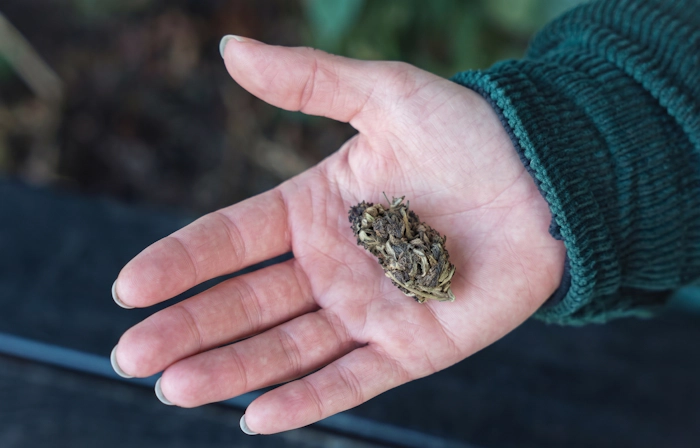
Given the illegal nature of the market, any discussion of “quality and safety” is largely theoretical. In a regulated market, you can rely on Certificates of Analysis to verify a product’s potency and safety. In Peru’s black market, you have no such assurance. However, if you find yourself in possession of cannabis, these are the basic checks you can perform:
The most important safety rule is “start low and go slow.” Without knowing the THC content, it’s easy to overconsume. This is a core principle of responsible cannabis use, whether you are in a legal market or not. For more on how to evaluate cannabis, our quality identification guides can be a useful resource.

scott umstattd
Navigating Peru’s cannabis laws as a tourist requires a clear set of rules to avoid trouble.
If you are in possession of a small amount, the safest place to consume it is in the privacy of your hotel room or a private residence. Be mindful of the smell and dispose of any evidence properly. Never drive under the influence of cannabis; Peru has strict laws against impaired driving.
Exceeding the 8-gram limit or being caught in the act of selling or growing cannabis can lead to severe criminal penalties. The law stipulates prison sentences of 8 to 15 years for growing, producing, or selling without a license, along with substantial fines. Even for a tourist, a legal entanglement in a foreign country can be a nightmare, leading to detention, a lengthy legal process, and potential deportation.
As a foreigner, accessing Peru’s medical cannabis system is extremely difficult in practice. While the official RENPUC registration process does accept passports and foreign identification, the system requires a prescription from a registered Peruvian physician, full RENPUC registration, and purchase through DIGEMID-authorized pharmacies. This bureaucratic process is not designed with short-term visitors in mind. The official MINSA guidance describes legal access categories as registered pharmaceutical products, exceptional individual-import products, and magistral preparations, and the range of products available through authorized pharmacies may be limited compared to what consumers are accustomed to in more mature legal markets.

peter livesey
The future of cannabis in Peru is likely to be driven by its industrial and medical potential, not by recreational use. Backers of the hemp bill have projected the industrial hemp sector could generate up to $35 million in annual revenue, though this remains an estimate rather than a settled figure.
The government’s focus is on building a regulated, safe, and economically productive industry. This is a slow and deliberate process. While public opinion, especially among urban youth, is becoming more accepting of cannabis, there does not appear to be strong political will to push for recreational legalization in the near term. The path forward for Peru is likely to be a gradual expansion of its medical program and the development of its industrial hemp sector, leaving the recreational market in the shadows for the foreseeable future.

Herb
For a global community of 14 million passionate cannabis enthusiasts, Herb is more than just a website. It’s the definitive culture discovery platform. While this article highlights the legal complexities of cannabis in Peru, Herb’s true value lies in its ability to empower users in places where cannabis is legal and accessible.
Herb is the #1 cannabis community for Millennials and Gen Z, providing a trusted space to discover, learn, and connect. Our platform is uniquely designed to help you navigate the legal cannabis landscape with confidence, featuring:
Unlike generic search results that can lead to misinformation or illegal marketplaces, Herb is committed to connecting our community with legal, safe, and high-quality cannabis experiences. When you are in a legal market, let Herb be your guide to discovering the best products, strains, and dispensaries that your area has to offer.
No, cannabis is not legal in Peru. Possession of 8 grams or less is decriminalized, which means it is not a criminal offense, but the sale, purchase, and cultivation of recreational cannabis remain strictly illegal.
Not in any practical sense. While Peru’s official RENPUC registration process does accept passports and foreign ID, the system requires a prescription from a registered Peruvian physician, full registration, and purchase through authorized pharmacies. A foreign medical marijuana card alone does not authorize purchase or import in Peru. The bureaucratic requirements make the system extremely difficult for short-term visitors to access.
The risks are significant. You are engaging in an illegal activity that can lead to police interaction, confiscation, and potential legal trouble. There is also a high risk of being scammed with poor-quality, adulterated, or fake products. Enforcement practices can vary unpredictably by location and situation.
If you are caught with 8 grams or less, you will not face criminal prosecution under Article 299, though enforcement outcomes can vary. If you are caught with more than 8 grams, or if you are caught selling or growing, you can face severe criminal penalties, including a prison sentence of 8 to 15 years.
Peru is far more restrictive. Uruguay has a fully legal recreational market, though it is only accessible to citizens or permanent residents. Colombia has decriminalized possession of up to 20 grams and has a medical program. In both countries, tourists still cannot easily access legal purchase channels, but the overall legal climate is more permissive than in Peru.