sergey pesterev
How to Buy Weed in Morocco: The Rif Mountains, Hash Culture & What Tourists Risk |
03.11.2026How to Buy Weed in Morocco: The Rif Mountains, Hash Culture & What Tourists Risk
Understanding the legal reality, cultural context, and serious risks of cannabis in Morocco's famous hash-producing region

Every assumption about Morocco’s cannabis accessibility puts tourists at serious legal risk. Despite being the world’s most renowned hashish producer with older estimates suggesting roughly 90,000 households dependent on cannabis cultivation in the Rif Mountains, and more recent reporting describing nearly a million people living in northern areas where cannabis is a major economic activity, all recreational cannabis use remains strictly illegal for tourists. The disconnect between Morocco’s reputation as a hash capital and the legal reality tourists face creates a dangerous situation where visitors risk imprisonment, fines, and deportation for any involvement with cannabis. This article provides essential legal information, geographic context, and risk assessment for anyone considering cannabis-related travel to Morocco, while highlighting Herb’s cannabis resources for understanding global cannabis laws and cultures.
Key Takeaways
tatiana zanon
- All recreational cannabis remains illegal for tourists in Morocco. While Law No. 13-21 created a licensed framework for medical, pharmaceutical, and industrial uses, it provides no recreational or tourist pathway.
- Tourists caught with cannabis face severe criminal penalties including imprisonment and substantial fines, with potential deportation.
- The Rif Mountains (Ketama, Ghomara regions) produce legendary hashish but offer zero legal protection for tourists engaging in recreational cannabis activity.
- Morocco does not appear to recognize foreign medical-cannabis cards or prescriptions as a lawful basis for tourist import or personal use; visitors should assume they cannot bring cannabis into the country.
- Tourists should not import or rely on foreign CBD/cannabis prescriptions in Morocco. While Morocco does have a regulated domestic market for some cannabis-derived products, that does not mean tourists can travel with or use personal cannabis/CBD products.
- Informal tolerance in Ketama does not equal legal permission. Enforcement can be unpredictable, and informal local tolerance is not a legal defense.
The Hash Capital Paradox
9realms
Morocco’s reputation as the world’s leading hash exporter creates a dangerous misconception for tourists. The country remains the principal external source of cannabis resin for Europe from its legendary Rif Mountains, yet visitors face severe criminal penalties for any recreational cannabis involvement. This paradox stems from Morocco’s complex relationship with cannabis: deeply embedded in Berber agricultural traditions for centuries while simultaneously prohibited under Islamic law and national drug statutes.
The reality is that Morocco is undergoing a significant legal transformation. In 2021, the country enacted Law No. 13-21, which created a licensed framework for cannabis for medical, industrial, pharmaceutical, and cosmetic purposes under strict licensing through the National Agency for the Regulation of Activities relating to Cannabis (ANRAC). However, recreational cannabis remains illegal under Morocco’s existing drug statutes, and the law does not create any tourist pathway for accessing cannabis products or experiences.
Why Cannabis Tourism in Morocco Remains Extremely Risky
max brown
The root cause of tourist legal troubles isn’t lack of awareness; it’s the dangerous assumption that Morocco’s hash production culture translates to legal tolerance for visitors. Unlike countries like Canada or certain U.S. states with regulated cannabis tourism, Morocco maintains strict prohibition for recreational use while developing a licensed medical/industrial framework that does not function as a tourist-access system.
Tourists face several critical misconceptions:
- The “Producer Equals Legal” Fallacy: Just because Morocco produces hash doesn’t mean consumption is legal for visitors.
- The “Tolerance Equals Permission” Myth: Informal tolerance in regions like Ketama provides no legal protection whatsoever.
- The “Medical Exception” Assumption: Morocco does not appear to recognize foreign medical cannabis cards or prescriptions as a lawful basis for tourist import or personal use.
- The “CBD Is Safe” Belief: While Morocco now has a regulated domestic market for some cannabis-derived medical, cosmetic, and supplement products, that is not the same as a legal right for tourists to travel with or use personal cannabis/CBD products.
Recent developments like the 2024 pardons of 4,800+ farmers were specifically designed to integrate traditional cultivators into the new legal framework. These pardons apply only to Moroccan citizens and offer no protection or precedent for foreign tourists.
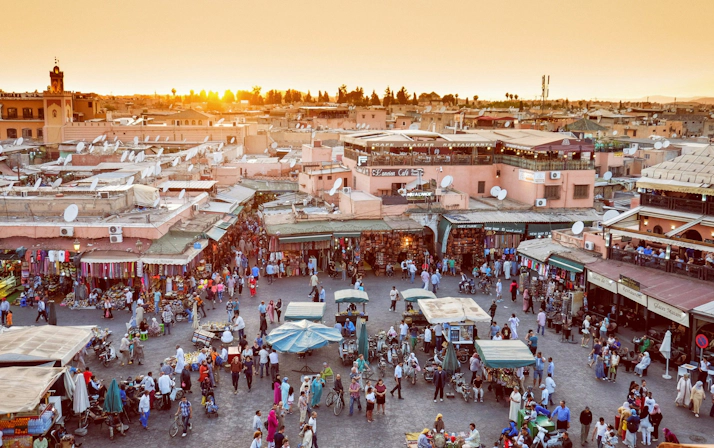
The Legal Reality: Law No. 13-21
calin stan
What IS Legal in Morocco
- Medical cannabis (licensed facilities only, no tourist access)
- Industrial cannabis (licensed operations only)
- Pharmaceutical cannabis production (licensed facilities only)
- Cosmetic cannabis applications (licensed operations only)
- Certain cannabis-derived products like CBD oil, lotions, and related items sold through the regulated domestic market on pharmacy shelves
The ANRAC regulatory agency oversees all legal cannabis activities, with the first legal harvest reported in 2023 and ongoing expansion. However, the lawful-use framework is not a tourist-access system. Cultivation is restricted to authorized Moroccan growers in cooperatives, and other regulated activities require Moroccan-law entities and ANRAC authorization.
What Remains ILLEGAL for Tourists
- Recreational cannabis use (any amount, any location)
- Recreational cannabis possession (personal use or larger quantities)
- Unlicensed cultivation (including souvenir plants)
- Hash production or participation in traditional methods outside the licensed framework
- Purchasing cannabis from any unlicensed source
- Consumption in public or private outside non-medical contexts
- Importing cannabis products (including personal CBD oils, even with prescriptions)
- Attempting to export hashish or cannabis products
Tourist Legal Risks and Consequences
morocco police
Possession Penalties
Small Amounts (Personal Use):
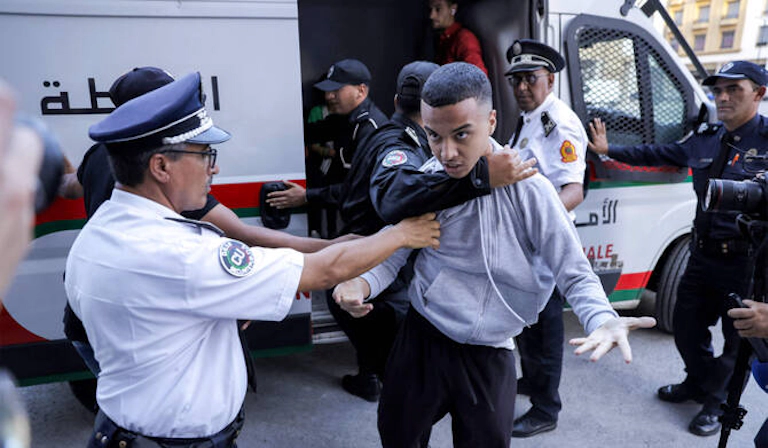
Moroccan drug penalties are severe. Academic and legal analysis of Morocco’s narcotics laws indicates that penalties depend heavily on the specific charge and circumstances. Drug use offenses and possession for personal use carry different penalty ranges, both of which can include imprisonment and fines. A conviction can carry serious legal and immigration consequences.
Larger Amounts (Suspected Trafficking):
Trafficking charges carry significantly harsher sentences, potentially including multiple years of imprisonment, severe fines, and asset forfeiture.
Border and Import Violations
Attempting to bring cannabis products into Morocco exposes travelers to arrest, detention, prosecution, and severe penalties. This includes hashish, marijuana flower, CBD oils, hemp products, and edibles.
Foreign medical cannabis prescriptions are not recognized as a lawful basis for importing cannabis into Morocco, making this a common but dangerous mistake for international visitors.
The Rif Mountains: Geography and Cultural Context
much better adventures
Ketama Region: The Hash Heartland
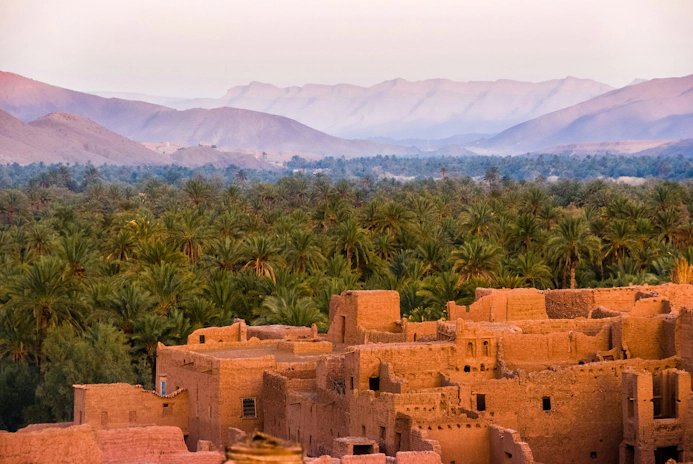
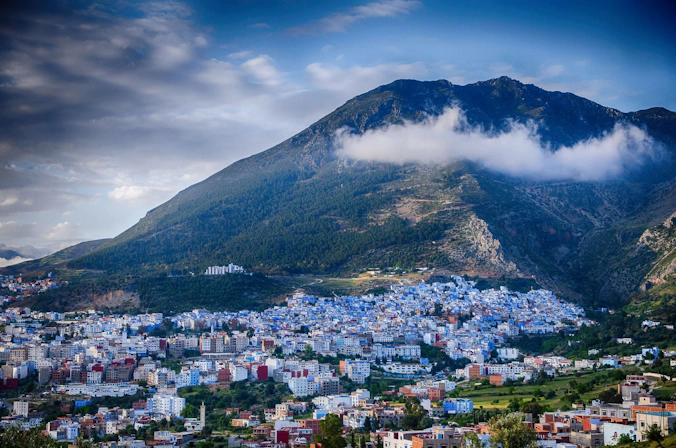
Located in the central Rif Mountains, Ketama serves as the world’s most renowned hashish production center. This high-altitude region produces the traditional Beldia landrace cannabis variety, a drought-enduring strain that has been associated with the Rif for generations.
Cultural Significance:
Older Interior Ministry-linked estimates put economic dependence at roughly 90,000 households, while more recent reporting describes nearly a million people living in northern areas where cannabis is a major economic activity. Ketama remains central to Morocco’s hash culture and is accessible from Chefchaouen (the “Blue City” tourist gateway).
Ghomara Region: Traditional Berber Cultivation
The Ghomara region in northern Rif Mountains represents centuries-old cannabis farming traditions within traditional Berber communities. Despite Islamic legal restrictions (haram), cultivation continues as a deep-rooted agricultural practice, with family-based farming operations maintaining traditional methods.
Traditional Hash Production Methods
The Rif Mountains follow a traditional cultivation cycle tied to the seasons:
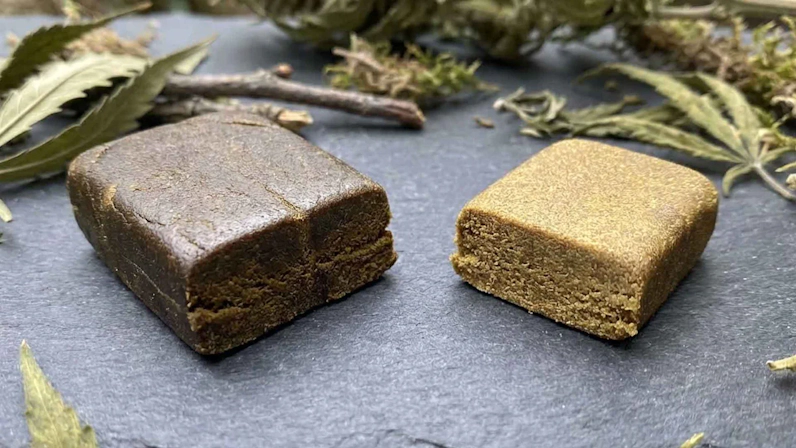
Winter (Hash Processing Season): Cold temperatures lend themselves to trichome extraction. Manual sifting using traditional drums and silkscreens, then pressing into traditional Moroccan hash blocks. Tourists should know that participating in hash pressing demonstrations is illegal.
Spring (Planting): Planting systems using different cultivars with traditional agricultural methods and family-based labor organization.
Summer (Cultivation): Maintenance and pathogen management under the dry, hot mountain climate.
Fall (Harvest): Hand-harvesting of plants, traditional drying and storage methods, and preparation for winter processing.
Enforcement Reality: The Tolerance Myth
morocco police
Official Law vs. Ground Reality
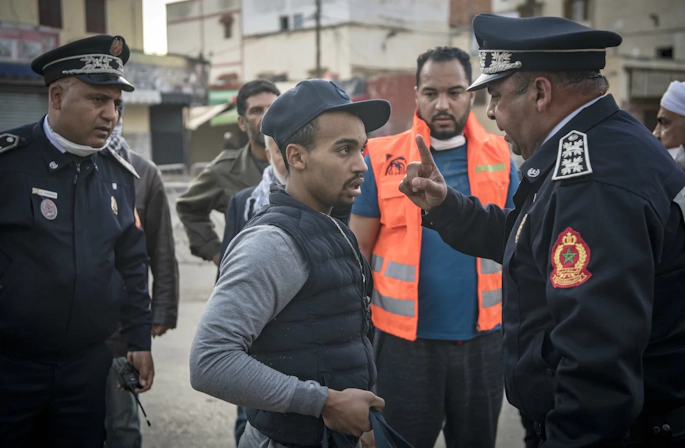
While all recreational cannabis remains illegal, enforcement varies significantly across regions. In Ketama especially, informal tolerance exists due to the economic dependence of local communities on cannabis cultivation. However, this tolerance provides no legal protection for tourists. Enforcement can be unpredictable, especially outside the licensed system, and informal local tolerance is not a legal defense.
Risk Factors Increasing Arrest Probability
- Visible consumption in public areas
- Large quantities suggesting trafficking
- Photography/video of cannabis activities
- Border crossings with cannabis products
- Complaints from locals or other tourists
- Police checkpoints on mountain roads
High-Risk Geographic Zones
Border Crossings: Tangier Port, Rabat-Salé Airport, Casablanca Airport, land borders with Algeria, Mauritania, and Spanish enclaves. There is zero tolerance for cannabis imports at borders.
Police Checkpoints: Mountain roads in the Rif region, highways between cities, routes from Chefchaouen to Rif villages, with random vehicle and document checks.
Tourist Hotels: Marrakech, Fes, Casablanca, and Rabat accommodations.
Medium-Risk Zones (Informal Tolerance)
Ketama Village Areas: Historical cannabis tourism center with informal tolerance but no legal protection. Enforcement remains possible at any time.
Chefchaouen (Blue City): Major tourist destination and Rif gateway. Dealers frequently approach tourists, and visitors should exercise caution.
What Tourists Actually Face: Procedural Steps
y k
If Approached by Cannabis Sellers
Initial Contact Scenarios: Streets of Chefchaouen and Ketama villages, tourist areas and hiking trails, direct offers or persistent following.
Legal Response: Politely decline (“No thank you” / “La, shukran”), walk away immediately, do NOT engage in negotiation or ask prices, and avoid isolated areas with strangers.
Illegal Responses to Avoid: Purchasing any amount, accepting “free samples,” holding or examining products, following someone to “see where it’s made,” or taking photos with cannabis or dealers.
If Stopped by Police
Your Limited Rights:
- Request consular notification (embassy contact)
- Request legal representation
- Remain polite and cooperative
- Provide identification documents
Consular Assistance Process
What Embassies CAN Do: Provide a list of local lawyers, visit you in detention, notify family, monitor trial proceedings, and help ensure humane treatment.
What Embassies CANNOT Do: Get you released from custody, override Moroccan law, pay legal fees or fines, provide legal representation, or prevent conviction or imprisonment.
Legal Alternatives for Cannabis-Curious Travelers
What IS Legal to Experience
ANNIE SPRATT
Cultural Tourism: Visiting Rif Mountain villages for architecture and scenery, hiking in mountain landscapes, photography of landscapes (NOT cannabis fields or operations), traditional Berber cultural experiences (tea, crafts, hospitality), and historical site visits (kasbahs, medinas).
Educational Tourism: Learning about Moroccan history and Berber traditions, understanding general agricultural practices, museum visits discussing regional history, and guided tours of legal agricultural areas (non-cannabis).
Future Possibilities (Speculative)
While no legal cannabis tourism currently exists, advocates have discussed possible future scenarios, none of which are current law or announced government policy:
- Educational tours of licensed ANRAC facilities (if approved for public access)
- Cannabis museum or educational centers
- Academic research visits with special permissions
Authorities have shown no sign of moving toward recreational legalization, even while advocates argue for it.
Practical Travel Advice for Morocco
philipp klausner
How to Navigate the Rif Region Safely
- Research thoroughly before visiting cannabis-producing regions
- Carry no cannabis products of any kind
- Decline all offers politely but firmly
- Avoid photographing cannabis-related activities
- Stay in legal tourism activities (hiking, cultural experiences, photography)
- Carry identification at all times
- Know your embassy contact information
Travel Insurance Considerations
Standard travel insurance policies typically exclude coverage for illegal activities, including cannabis possession. Even if arrested without conviction, legal defense costs and deportation expenses may not be covered. Consider purchasing comprehensive travel insurance with legal assistance coverage, but understand that cannabis-related incidents will likely be excluded.
Safe Accommodation Choices
Choose accommodations in established tourist areas with good reviews and clear business practices. Avoid informal lodging in remote cannabis-producing villages, as these may be more likely to involve guests in illegal activities or attract police attention.
Why Herb Stands Apart in Cannabis Education and Discovery
FRIDA AGUILAR ESTRADA
While multiple platforms exist for cannabis information, Herb delivers unique advantages specifically designed for cannabis consumers seeking quality, education, and community in a rapidly evolving global landscape.
Herb goes beyond basic strain information with its comprehensive educational platform that includes:
- Detailed Strain Guides: In-depth profiles of thousands of strains with effects, flavors, and growing information
- Expert Product Reviews: Unbiased evaluations of latest products from flowers to edibles to accessories
- Cannabis News and Culture: Stay informed about industry developments and legalization updates worldwide
- Cooking and Recipes: Learn to make cannabis-infused dishes with step-by-step instructions
- Global Legalization Updates: Comprehensive coverage of cannabis legalization efforts and legal frameworks worldwide
Unlike generic travel or cannabis platforms, Herb combines global cannabis knowledge with deep educational content, helping you make informed decisions about cannabis laws, cultural contexts, and safe travel practices. The platform’s commitment to education ensures you understand not just where cannabis is legal, but how to navigate complex legal landscapes like Morocco’s while staying informed about global cannabis developments.
For travelers serious about understanding international cannabis laws while expanding their cannabis knowledge, Herb’s comprehensive approach provides the tools and information needed to travel safely and stay informed about global cannabis culture and legislation.
Frequently Asked Questions
Is it illegal to buy or consume hashish in Morocco?
Yes, all recreational cannabis use remains strictly illegal for tourists in Morocco. Recreational cannabis was already prohibited under Morocco’s existing drug statutes, and while Law No. 13-21 created a tightly licensed framework for medical, pharmaceutical, and industrial uses, it provides zero exceptions for tourist recreational use. Despite the country’s reputation as a major hash producer, tourists face serious criminal penalties including imprisonment, fines, and deportation for any recreational cannabis possession or consumption.
What are the typical risks for tourists caught with cannabis in Morocco?
Moroccan drug penalties are severe. Penalties depend on the charge and circumstances, and can include imprisonment and substantial fines. A conviction can carry serious legal and immigration consequences, potentially including deportation and complications with future travel. The severity of penalties increases significantly for larger quantities treated as trafficking offenses.
Are there specific safety concerns for women traveling alone in Morocco and the Rif Mountains?
Morocco is generally safe for solo female travelers who take appropriate precautions. The legal risks of cannabis involvement are the same regardless of gender. All travelers should be firm in declining cannabis offers, stay in well-populated areas, avoid isolated locations, and never accept invitations to private cannabis-related activities.
What is the difference between 'kif' and 'hashish' in Morocco?
Kif refers to a traditional blend of cannabis and tobacco smoked in traditional sebsi pipes, while hashish is the concentrated resin extracted from cannabis plants through traditional sifting and pressing methods. Both are illegal for tourists in Morocco, despite being part of traditional cultural practices in the Rif Mountains. The Beldia landrace variety is particularly associated with the Rif region’s cannabis tradition.
Has Morocco legalized cannabis for any purpose?
Morocco legalized cannabis for medical, industrial, pharmaceutical, and cosmetic purposes through Law No. 13-21 enacted in 2021, with licensing through the ANRAC regulatory agency. By late 2025, the regulated market included cannabis-derived products like CBD oil and lotions on pharmacy shelves. However, this legalization excludes recreational use entirely and provides no tourist pathway for recreational cannabis products or experiences.
Can tourists visit cannabis farms in the Rif Mountains?
Tourists should avoid cannabis-farm visits, purchases, and processing demonstrations because any participation in unlicensed cannabis activity can expose them to criminal risk. While informal “cannabis tourism” occurs in areas like Ketama, these activities operate outside the legal framework and provide no protection for visitors. The safest approach is to enjoy the Rif Mountains’ natural beauty and cultural heritage through legal tourism activities only.
Herb Recommended Products:
READ MORE