
nils huenerfuerst
How to Buy Weed in Miami: Florida’s Medical-Only Laws, Delta-8 & What Tourists Should Know |
06.29.2026How to Buy Weed in Miami: Florida’s Medical-Only Laws, Delta-8 & What Tourists Should Know
Florida is a medical-only state, and out-of-state cards do not work at its dispensaries. Here is how cannabis access really works in Miami for patients and visitors.

Planning a trip to Miami and wondering about your cannabis options? Here is the reality check you need: Florida operates as a medical-only state, recreational marijuana remains illegal, and out-of-state medical cards hold no purchasing power here. Whether you are a Florida resident exploring the medical program, a seasonal resident, or a tourist seeking legal alternatives, understanding Miami’s cannabis landscape prevents costly mistakes and legal headaches. Use Herb’s dispensary directory to find licensed locations throughout Miami-Dade County once you understand your options.
Key Takeaways

tuan nguyen
- Florida does not accept out-of-state medical marijuana cards, so tourists cannot purchase from medical dispensaries.
- As of June 2026, Florida remains medical-only; the “Adult Personal Use of Marijuana” initiative was dismissed by the Florida Supreme Court on February 4, 2026, and has not created adult-use access.
- The state MMUR card application fee is $75, while physician evaluation fees vary by provider.
- Adults 21+ may be able to buy compliant hemp-extract products from properly permitted retailers, but not every Delta-8 or hemp-labeled product is automatically legal or safe.
- Possession of 20 grams or less of cannabis without legal authorization is a first-degree misdemeanor, punishable by up to one year in jail and a fine of up to $1,000.
- Seasonal residents who temporarily reside in Florida for at least 31 consecutive days each calendar year may qualify for a Florida medical marijuana card.
Is Weed Legal in Miami? Florida's Medical Marijuana Program

Florida’s medical marijuana framework centers on the Medical Marijuana Use Registry (MMUR), the state database that connects qualified patients with licensed dispensaries. Unlike states with recreational programs, Florida restricts all marijuana purchases to registered patients with active state-issued cards.
Can Tourists Get a Medical Card in Florida?
The short answer is no. Florida requires patients to be permanent or seasonal Florida residents, and out-of-state visitors holding valid medical cards from other states cannot use them at Florida dispensaries. No reciprocity agreement exists.
Seasonal residents do have options. Florida recognizes seasonal residents who temporarily reside in Florida for at least 31 consecutive days each calendar year, maintain a temporary Florida residence, return to their home state or jurisdiction at least once each calendar year, and are registered to vote or pay income tax in another state or jurisdiction.
Documentation for seasonal residents who do not have a Florida driver license or Florida ID includes:
- Proof of address. Two approved proof-of-residential-address documents, such as a lease, deed, utility bill, or qualifying mail.
- Photo ID. A valid government-issued photo ID.
Qualifying Conditions for a Florida Medical Marijuana Card
Florida’s qualifying medical conditions cover a broad spectrum of health issues:
- Cancers and related. Cancer, epilepsy, and glaucoma.
- Chronic illness. HIV/AIDS and ALS.
- Neurological and mental health. PTSD and Parkinson’s disease.
- Inflammatory and autoimmune. Crohn’s disease and multiple sclerosis.
- Terminal conditions. Diagnosed by a physician.
- Chronic nonmalignant pain. Tied to a qualifying condition.
- Comparable conditions. Of a similar kind or class, at physician’s discretion.
The evaluation involves a licensed Florida physician who reviews your medical history and determines whether cannabis treatment is appropriate.
Miami's Dispensary Landscape and the Purchasing Process

Photo Courtesy of NuggMD
Miami-Dade County features one of Florida’s most robust dispensary networks, with licensed Medical Marijuana Treatment Centers (MMTCs) across neighborhoods from South Beach to Kendall. Operators active in the market, as of publication, include Trulieve, Surterra Wellness, Curaleaf, Jungle Boys, and Cookies. Patients may only purchase medical marijuana from state-approved MMTCs.
Finding Licensed Treatment Centers in Miami
Store locations, hours, and delivery coverage change, and active licensing is what matters. Verify current licensed MMTC locations through the state’s Office of Medical Marijuana Use (OMMU) and the operator’s official website before visiting. As a general orientation:
- Miami Beach and North Beach. Several MMTCs operate along the Collins Avenue corridor and nearby.
- Central and North Miami. Locations near Miami International Airport and along Biscayne Boulevard, some with delivery in Miami-Dade.
- Greater Miami-Dade. Additional MMTCs from Wynwood-adjacent areas down to Kendall.
Note that some retailers marketed under Miami “Beach” branding are actually elsewhere in Miami-Dade, so confirm the exact address through OMMU or the operator before traveling.
What to Expect During Your First Dispensary Visit

Herb
Preparing for your initial dispensary experience requires understanding the process:
- Bring your card. A physical Florida Medical Marijuana ID card.
- Bring photo ID. Government-issued photo identification.
- Bring cash. Many transactions remain cash-based due to federal banking restrictions.
Purchase and possession limits under Florida law:
- Smokable flower. Generally up to a 35-day supply not exceeding 2.5 ounces, unless a department exception applies.
- Possession cap. No more than a 70-day supply, and generally no more than 4 ounces of marijuana in a form for smoking unless a department-approved exception applies.
- Packaging. All products must remain in original packaging.
Prices vary widely by dispensary, product type, brand, potency, and discounts. Check dispensary menus for current pricing.
Delta-8 THC and Hemp Products in Miami: Legality and Considerations
herb
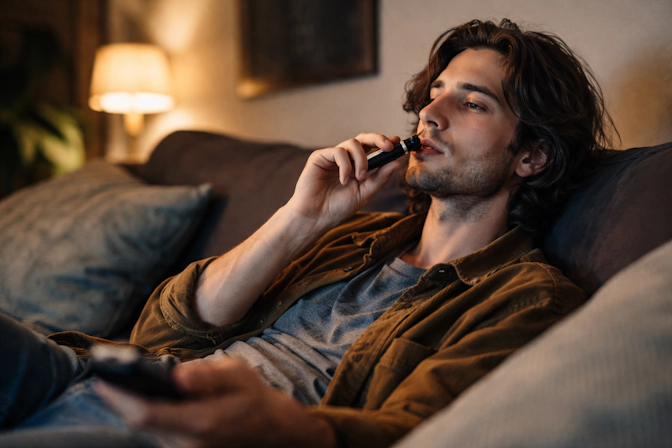
For visitors and residents without medical cards, compliant hemp-extract products can offer an alternative, but legality depends on Florida compliance. Compliant hemp-extract products, including some hemp-derived cannabinoid products, may be sold in Florida to adults 21+ without a medical marijuana card, provided they meet Florida’s hemp-extract requirements, including certificate of analysis (COA), contaminant, packaging, labeling, and THC-limit rules.
The Florida THC Standard
Florida defines hemp as cannabis and derivatives with a total delta-9 THC concentration not exceeding 0.3% on a dry-weight basis. Hemp extract may not exceed 0.3% total delta-9 THC on a wet-weight basis and must meet Florida COA, labeling, packaging, and contaminant requirements. Florida’s controlled-substances law also specifically lists Delta-8 THC within the tetrahydrocannabinols category, so compliance details matter.
Where to Find Hemp Products in Miami
Miami’s hemp retail scene concentrates in areas like the Wynwood Arts District and Little Havana (Calle Ocho), among others. Because permitting and compliance vary by retailer, focus on shops that can document compliance rather than any specific storefront.
Safety and Quality Concerns
The hemp market operates with different oversight than medical marijuana, and the FDA has warned that Delta-8 THC products have not been evaluated or approved by the FDA for safe use and may involve adverse events or manufacturing contaminants. Before purchasing, verify:
- Certificate of Analysis. Third-party lab results showing THC levels and contaminant screening.
- Proper labeling. Batch numbers, cannabinoid milligrams per serving, and a scannable link to the COA.
- Compliant packaging. Child-resistant packaging as required under Florida hemp regulations.
- Age verification. Retailers must verify you are 21+.
Stick to gummies, tinctures, and vape products clearly labeled as compliant hemp extract, and avoid products that lack compliant labeling or testing. Understanding cannabinoid science helps you make informed decisions.
Distinguishing Medical Cannabis from Illicit Options in Miami
Risks of Purchasing Outside Licensed Dispensaries
Florida maintains strict penalties for cannabis possession outside the medical program. Street purchases carry significant legal and safety risks:
- No testing. No quality control or testing verification.
- Unknown potency. Unknown strength and potential contaminants.
- Criminal exposure. Charges can apply regardless of medical need.
- No recourse. No legal recourse for product issues.
Florida's Penalties for Illicit Cannabis Possession
Understanding the consequences helps inform your decisions:
20 grams or less of cannabis (no legal authorization):
- Charge. First-degree misdemeanor.
- Jail. Up to one year.
- Fine. Up to $1,000.
- License. A six-month driver’s license suspension, revocation, or delay of eligibility under Florida Statute §322.055.
More than 20 grams of cannabis:
- Charge. Generally a third-degree felony.
- Prison. Up to five years.
- Fine. Up to $5,000.
What Tourists Need to Know About Cannabis Use in Miami

felipe simo
Using Medical Marijuana While Visiting Miami
Even if you hold a valid medical card from another state, Florida’s lack of reciprocity means you cannot:
- Buy from dispensaries. Purchase from any Florida medical marijuana dispensary.
- Use another card. Use another person’s medical card.
- Possess without FL documentation. Possess marijuana products without valid Florida documentation.
Your legal options are limited to compliant hemp-extract products from properly permitted retailers.
Public Consumption Rules
Florida law does not allow medical marijuana use or administration on public transportation, in public places, or in a vehicle, aircraft, or motorboat, except for limited statutory exceptions involving low-THC cannabis not in a form for smoking. In practice, this includes:
- Beaches and parks. Throughout Miami-Dade County.
- Hospitality. Hotels and rental properties, subject to individual policies.
- Venues. Restaurants, bars, and entertainment venues.
- Vehicles and transit. Vehicles, even as a passenger, and public transportation.
As a practical matter, qualified patients should consume only in private locations where the property owner permits it and in a manner consistent with their physician certification.
Responsible Consumption: Tips for First-Time Users and Tourists

marcos figueroa
Choosing the Right Product
New consumers should approach cannabis cautiously. Herb’s strain guides provide detailed information about effects to help you select appropriate products.
Start low and go slow:
- Low potency first. Begin with low-THC products or CBD-rich options.
- Edibles. Start with 5 mg or less and wait at least 2 hours before more.
- Smoking or vaping. Take one small inhalation and assess effects before continuing.
Consumption method considerations:
- Smoking or vaping. Effects within minutes, lasting 1 to 3 hours.
- Edibles. Effects delayed 30 to 90 minutes, lasting 4 to 8 hours.
- Tinctures. Sublingual absorption provides faster onset than edibles.
Safety Essentials
- Never drive impaired. DUI laws apply to cannabis.
- Stay comfortable. Stay hydrated and keep snacks available.
- Private setting. Consume in a comfortable, private space.
- Buddy system. Keep a sober friend nearby if it is your first time.
Exploring Cannabis Products Beyond Flower in Miami

HERB
Miami dispensaries stock comprehensive selections beyond traditional flower. Understanding your options helps match products to your needs.
Popular Product Categories
- Vape pens and cartridges. Convenient where smoking may be prohibited; concentrate options include live rosin and distillate cartridges.
- Edibles. Gummies, chocolates, and beverages offer smoke-free consumption with longer onset and duration.
- Topicals. Creams, balms, and transdermal patches provide localized use.
- Concentrates. Shatter, wax, and live rosin deliver higher potency for experienced consumers; explore Herb’s product catalog before visiting.
Future of Cannabis Legalization in Florida

herb
Current Status of Recreational Cannabis
As of June 2026, Florida remains medical-only. The Department of State lists the “Adult Personal Use of Marijuana” initiative with a Florida Supreme Court ruling of “Dismissed” dated February 4, 2026, and Election Year 2028. It has not created adult-use access in Florida.
Issues that continue to be discussed in reform efforts include:
- Adult use. Legalization through voter initiatives.
- Home cultivation. Potential home-grown allowances.
- Social equity. Equity provisions in licensing.
- Economic impact. Projections tied to full legalization.
What This Means for Tourists and Residents
Should recreational cannabis pass in Florida in the future, tourists would gain direct purchasing access without medical card requirements. Until then, the medical-only framework remains the only legal pathway for marijuana products.
Why Herb Is Your Go-To Resource for Miami Cannabis Information

herb
Finding accurate, current cannabis information in Miami’s regulatory environment takes a trusted source. Herb connects a large cannabis community with education, product discovery, and dispensary information.
What makes Herb useful:
- Dispensary directory. Browse Miami-area dispensaries with location details and available products.
- Strain database. Research thousands of strains before visiting.
- Educational content. Access guides and how-tos covering first-time tips to advanced topics.
- Product discovery. Explore product information across categories.
- Cannabis news. Stay informed about industry developments and legalization updates affecting Florida.
Whether you are a medical patient, a tourist exploring hemp alternatives, or simply curious about what is legally available, Herb provides the information you need to make informed decisions.
Final Verdict

joel de vriend
Miami is a great destination, but cannabis access here runs through a strict medical-only framework. Here is how the decision breaks down:
- An out-of-state medical patient? Your card will not work at Florida dispensaries. Plan around compliant hemp-extract options or go without.
- A Florida resident or seasonal resident? You may qualify for the medical program; the state card fee is $75, plus variable physician fees.
- A tourist wanting a legal alternative? Adults 21+ can look for compliant hemp-extract products, but verify COAs and labeling, and be aware of the FDA’s Delta-8 safety warnings.
- Thinking about the illicit market? Possession of 20 grams or less is a first-degree misdemeanor, and possession of more than 20 grams is generally a felony, so the legal risk is real.
- Waiting on recreational? As of June 2026, Florida remains medical-only, with the latest adult-use initiative dismissed.
The honest answer to “how to buy weed in Miami” is that legal marijuana access is limited to Florida’s medical program, while adults 21+ may find compliant hemp products if they verify compliance carefully. For more destination guides, Herb’s guides section has the full picture.
Frequently Asked Questions
Can a tourist from another state with a medical card buy weed in Miami?
No. Florida does not participate in medical marijuana reciprocity. Out-of-state medical cards cannot be used to purchase from Florida dispensaries, which dispense only to qualified Florida patients and caregivers in the MMUR. Adults 21+ may instead be able to purchase compliant hemp-extract products from properly permitted retailers, but should verify COAs and labeling first.
Is Delta-8 THC legal in Florida?
It depends on the product. Compliant hemp-extract products, including some hemp-derived cannabinoid products, may be sold to adults 21+ when they meet Florida’s hemp-extract requirements for COA, contaminants, packaging, labeling, and THC limits. Florida defines hemp as having no more than 0.3% total delta-9 THC on a dry-weight basis, with hemp extract limited to 0.3% total delta-9 THC on a wet-weight basis. Not every Delta-8 product is automatically legal or safe, and the FDA has warned about Delta-8 safety, so verify compliance before buying.
What are the penalties for possessing cannabis without a medical card in Miami?
Possession of 20 grams or less of cannabis without legal authorization is a first-degree misdemeanor carrying up to one year in jail, a fine of up to $1,000, and a six-month driver’s license suspension under Florida Statute §322.055. Possession of more than 20 grams is generally charged as a third-degree felony with penalties up to five years in prison and a $5,000 fine.
Can I smoke cannabis on Miami beaches or in public places?
No. Florida law does not allow medical marijuana use on public transportation, in public places, or in a vehicle, aircraft, or motorboat, with limited exceptions for low-THC cannabis not in a form for smoking. This covers beaches, parks, and outdoor areas throughout Miami-Dade County. As a practical matter, consume only in private locations where the property owner permits it.
What is the process for a Florida resident to get a medical marijuana card?
A Florida resident first visits a qualified physician for evaluation; physician fees vary by provider. If approved, the physician enters your certification into the state registry, and you then apply through the MMUR portal with your Florida ID and pay the $75 state application fee. Online applications take an average of 10 business days for approval, while mailed applications may take longer due to postal delivery. Because physician fees vary, total first-year costs vary.
This article is for informational purposes only and does not constitute legal advice. Cannabis laws vary by jurisdiction and are subject to change. Always verify current regulations with official sources before traveling. Herb does not encourage the purchase or use of cannabis in jurisdictions where it is illegal.
Herb Recommended Products:
READ MORE