
craig manners
How to Buy Weed in Malawi (2026): Laws, Malawi Gold & Risks
Malawi gave the world one of cannabis history's greatest strains, yet recreational use remains fully illegal. Here is what every traveler needs to know before arriving.

Buying weed in Malawi is illegal in 2026. Under the Dangerous Drugs Act, unauthorized cannabis possession is a criminal offense with severe penalties, including a fine of K500,000 and imprisonment for life. No decriminalization exists. There is no legal pathway for tourists to purchase recreational cannabis, and Herb’s assessment is that engaging the informal market also carries significant safety, fraud, and law-enforcement risks. That is the short answer.
The longer answer is that Malawi is one of the most significant cannabis countries in the world. This landlocked southern African nation of roughly 22 million people gave the world Malawi Gold, a sativa-leaning landrace widely described in cannabis culture for its energetic, cerebral effects. It is one of Africa’s most celebrated landrace strains and a definitive reference point for anyone studying African cannabis genetics. The plant is locally called chamba, it is one of Malawi’s three most celebrated cultural exports, and its origins stretch back at least 600 years.
That contradiction is the central reality any traveler must understand before arriving. Malawi’s identity is partly built around a legendary cannabis strain, yet its legal system criminalizes recreational use with severe penalties up to life imprisonment.
This guide covers the complete picture: Malawi’s cannabis laws, the 2020 reform, the Malawi Gold strain profile, and the centuries-old Malawi Cob curing tradition. It also covers the growing regions, what tourists face on the ground, and what is coming next for Malawi’s legal cannabis industry.
Herb does not encourage cannabis purchase in jurisdictions where it is illegal.
Key Takeaways

richard nyoni
- Recreational cannabis remains fully illegal in Malawi under the Dangerous Drugs Act. Unauthorized possession is a criminal offense with severe penalties, including a fine of K500,000 and imprisonment for life.
- Malawi’s Parliament passed cannabis reform legislation in February 2020; the Cannabis Regulation Act, No. 6 of 2020, was assented to on April 30, 2020 and published in May 2020. It established the Cannabis Regulatory Authority based in Lilongwe.
- The 2020 Act is limited to licensed medicinal, industrial, and scientific cannabis activity; it did not create a recreational cannabis market or decriminalize personal possession. No decriminalization has followed.
- Malawi Gold is a sativa-leaning landrace widely associated in cannabis culture with energetic, cerebral effects. Reported THC ranges vary by phenotype, cultivation conditions, and testing method, and should be treated as approximate.
- Cannabis arrived in Malawi between the 10th and 15th centuries through Arab trade routes, evolving naturally in the highlands for centuries before international discovery.
- The Malawi Cob is a traditional curing practice associated with Malawi, typically involving tightly wrapped cannabis flower and warm, low-oxygen conditions. Users and cannabis-culture sources report it changes aroma, texture, and perceived effects, though the specific biochemical changes are not well documented in peer-reviewed research.
- Chamba is one of Malawi’s Three Big C’s alongside chambo (Tilapia fish) and chombe (tea), reflecting how deeply cannabis is embedded in the country’s cultural and economic identity.
- The Nkhotakota District and Salima region on the shores of Lake Malawi are most closely associated with the highest-quality Malawi Gold genetics.
- Tourists who engage with the informal cannabis market face risks beyond legal consequences: police involvement, potential extortion, and product quality uncertainty are real concerns.
Is Weed Legal in Malawi?
| Topic | Status (2026) |
|---|---|
Recreational cannabis | Illegal (Dangerous Drugs Act) |
Unauthorized possession | Criminal offense; severe penalties may apply, including imprisonment for life |
Unauthorized sale or supply | Criminal offense; severe penalties may apply, including imprisonment for life |
Medicinal/industrial cultivation | Legal since 2020 (Cannabis Regulation Act) |
Decriminalization | None enacted |
Tourist exemption | None (tourists subject to same laws) |
Governing authority | Cannabis Regulatory Authority (Lilongwe) |
Recreational cannabis is illegal in Malawi, with criminal penalties that can include imprisonment for life under the Dangerous Drugs Act. Cannabis is treated as a controlled drug under the Act, with limited exceptions for licensed activity and certain excluded seed and fiber products. The Act does not create a meaningful distinction between small personal amounts and larger quantities when determining criminal exposure.
The 2020 Cannabis Regulation Act created a legal pathway for medicinal and industrial cultivation, but it did not create a recreational cannabis market or decriminalize personal possession. As of 2026, no recreational decriminalization has been introduced. There is no possession threshold below which cannabis becomes a minor offense.
That is the unambiguous legal position. The cultural reality is more layered.
Malawi has one of the most visible informal cannabis economies in sub-Saharan Africa. The plant is deeply embedded in rural livelihoods, in the culture of communities along Lake Malawi, and in the country’s international identity. Police enforcement is inconsistent. Tourist areas have a visible cannabis presence. For travelers who have read older travel forums or guidebooks, the impression may be that buying weed in Malawi is effectively tolerated.
That impression is misleading. Enforcement does happen. The consequences for tourists who are caught, or who encounter individuals working with or impersonating police, can be severe. The gap between law and reality in Malawi is real, but the gap does not make activity in that space safe.
Penalties at a Glance
| Offense | Status Under the Dangerous Drugs Act |
|---|---|
Unauthorized possession | Criminal offense; severe penalties may apply including imprisonment for life |
Unauthorized sale or supply | Criminal offense; severe penalties may apply including imprisonment for life |
Unauthorized cultivation | Criminal offense unless licensed under the Cannabis Regulation Act |
Import or export without authorization | Prohibited except under license |
Sources: Malawi Dangerous Drugs Act; Cannabis Regulation Act, No. 6 of 2020; Malawi legal commentary.
What Did Malawi's 2020 Cannabis Reform Actually Change?

Photo courtesy of CBD Testers
Malawi’s Parliament passed cannabis reform legislation in February 2020. The Cannabis Regulation Act, No. 6 of 2020, was assented to on April 30, 2020 and published in May 2020. It was a significant reform, but a narrower one than many international headlines suggested.
The law did three concrete things. First, it legalized the cultivation and processing of cannabis for medicinal and industrial purposes. Farmers and businesses can now apply for licenses to grow cannabis legally, where previously any cultivation was criminalized. Second, it created the Cannabis Regulatory Authority (CRA), headquartered in Lilongwe, to oversee licensing, compliance, inspection, and export. Third, it established a pathway for Malawi to position itself as an exporter to European pharmaceutical cannabis markets.
What the law did not do is equally important. It did not decriminalize recreational use. It did not establish a patient access program for domestic medical consumers. It did not reduce possession penalties. Recreational cannabis use remained a criminal offense for Malawians and tourists alike, unchanged by the reform.
The Economic Logic Behind the Reform
Malawi’s cannabis reform was primarily an economic decision. The country’s agricultural base has historically depended heavily on tobacco, a crop under increasing pressure from declining global demand and international health regulations. Malawi’s government recognized that its climate, elevation, and pre-existing growing expertise, combined with the global reputation of Malawi Gold, positioned the country as a competitive entrant in the medicinal cannabis export market.
European countries including Germany have expanded access to pharmaceutical cannabis in recent years. The demand for GACP-certified cannabis from low-cost, high-quality producers in Africa outpaces current supply. Malawi’s 2020 reform was designed to capture part of that market.
The reform reflects a pragmatic calculation: the country’s cannabis genetics and cultivation tradition have economic value in legal international markets, even while domestic recreational use remains prohibited.
By early 2021, the Cannabis Regulatory Authority had issued 86 licenses to 35 companies. The licensing framework’s requirements have concentrated the legal industry among larger corporate operators and cooperatives, placing formal participation largely out of reach for individual smallholder farmers. The declining tobacco sector has made the cannabis export opportunity increasingly urgent for the national economy.
Malawi Gold: Africa's Most Legendary Landrace Strain
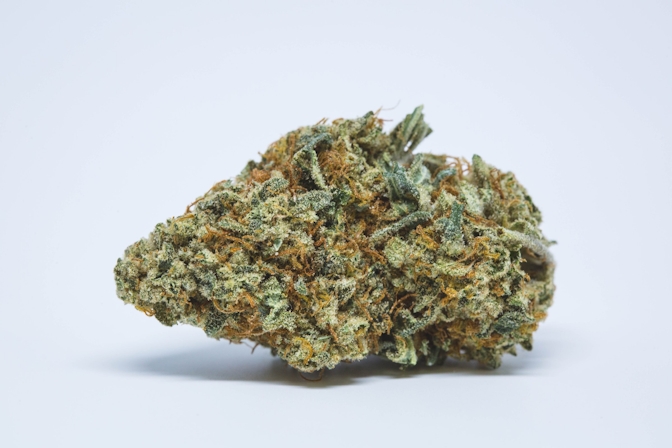
malawi gold
Malawi Gold is one of the most historically significant cannabis cultivars in the world. This sativa-leaning landrace evolved naturally in the highlands of Malawi over centuries without deliberate hybridization. It is one of Africa’s “Big Three” landrace strains, alongside Durban Poison from South Africa and Swazi Gold from Eswatini. Cannabis-culture sources have long associated Malawi Gold with Bob Marley-era reggae lore, though specific historical claims are difficult to verify from primary sources.
What separates Malawi Gold from modern cannabis cultivars is genetic purity. Landrace strains are the evolutionary ancestors of virtually every cannabis variety consumed globally. Most have been hybridized so extensively that only approximations of the original genetics survive in commercial seed form. Malawi Gold is among the rare exceptions: a strain that has maintained its character through centuries of cultivation in its native environment. Specific soil conditions, altitude, rainfall patterns, and the knowledge of generations of local growers shaped it into something distinct.
Strain Profile
| Attribute | Detail |
|---|---|
Genetics | Sativa-leaning landrace |
Origin | Malawi, southern Africa |
Reported THC Range | Varies by phenotype, cultivation, and testing method |
CBD Content | Trace levels |
Primary Terpenes | Myrcene, caryophyllene, limonene, pinene |
Flavor Profile | Earthy, herbal, citrus; tea-like spice from caryophyllene; pine notes from pinene |
Growth Structure | Tall, airy plants with long, wispy sativa buds |
Flowering Time | 70 to 90 days |
Effect Duration | 3 to 5 hours |
Effects
Malawi Gold is widely described in cannabis culture as a sativa-leaning landrace associated with energetic, cerebral effects. Users report a clear-headed, energizing, and motivating experience rather than a sedating one, with mental clarity and focus. The effect is long-lasting, commonly 3 to 5 hours. In some users, particularly at higher concentrations or with traditionally cured Malawi Cob product, the experience is described as moving into more intense cerebral territory with heightened sensory awareness.
These are reported user experiences, and individual effects vary depending on tolerance, consumption method, and the specific product. Exact potency claims should be treated as approximate.
It is a classic daytime sativa. The effects suit outdoor exploration, creative work, physical activity, and engaged social interaction.
How Malawi Gold Compares to Other African Landraces
| Strain | Origin | Primary Effect | Flavor Profile |
|---|---|---|---|
Malawi Gold | Malawi | Cerebral, energizing | Earthy, herbal, citrus, tea |
Durban Poison | South Africa | Uplifting, focused, clean | Sweet, anise, pine |
Swazi Gold | Eswatini | Mellow, social, earthy | Earthy, floral, sweet |
THC ranges are approximate and vary by phenotype, growing conditions, and testing methodology.
All three are pure African sativas shaped by high-altitude subtropical growing environments. Malawi Gold stands out for the most intense reported cerebral effects and the most distinctive traditional preparation method. Durban Poison is the most widely available internationally due to its high THC and sweet flavor. Swazi Gold is generally described as the most approachable of the three for new users.
The Malawi Cob: A Centuries-Old Curing Tradition

The Malawi Cob is a traditional curing practice associated with Malawi, largely unknown outside dedicated cannabis culture circles. Understanding it is essential to understanding what makes authentic Malawi Gold different from any cannabis experience available outside the country.
After harvest, Malawian cultivators take freshly cut but still slightly moist flowering tops and wrap them tightly in corn husks or banana leaves. The bound bundles are traditionally stored in warm, low-oxygen conditions. The curing period lasts a minimum of 40 days, after which the cobs are removed and stored until the next harvest season.
The heat and oxygen deprivation trigger a slow curing process. Chlorophyll breaks down, the buds darken to deep greens and browns, and the plant material transforms in texture and aroma. A peer-reviewed study in the Malawi Medical Journal notes the Malawi Cob as evidence of the country’s deep traditional relationship with cannabis that predates any formal regulatory framework. Users and cannabis-culture sources report that the process changes aroma, texture, and perceived effects, but the specific biochemical changes are not well documented in peer-reviewed research.
The result is visually unlike anything most cannabis enthusiasts have encountered. Malawi Cobs are dense, compressed, cylindrical masses of cured cannabis. The color ranges from dark olive to deep brown. The smell is pungent, earthy, and complex in ways that fresh cannabis is not.
Why This Matters for the Cannabis Enthusiast
The effect of properly prepared Malawi Cob cannabis is reported to differ meaningfully from uncured versions of the same genetics. Users describe the experience as deeper and more enveloping. Some cannabis researchers and seed preservationists argue that the curing process produces or potentiates unusual compounds, though the specific biochemistry is not yet fully documented in the scientific literature.
Historians of cannabis culture place the Malawi Cob alongside the hash traditions of Afghanistan, the charas of India, and the kief preparations of Morocco as one of the world’s genuinely distinctive regional cannabis traditions.
Authentic vs. International Versions
For travelers and cannabis enthusiasts outside Malawi, it is important to understand that what circulates internationally as “Malawi Gold” seed genetics produces a fundamentally different experience from the cured Malawi Cob product consumed in Malawi itself.
Seeds from preserved Malawi Gold landrace genetics are available through reputable seed preservation companies. Growing those seeds in a different climate with a different curing method produces a plant with the same foundational genetics, but without the traditional curing process that defines the authentic preparation. Authentic Malawi Cob material virtually never reaches international markets. The compressed, fermented format is difficult to transport, subject to rapid quality degradation outside its native climate, and criminalized for export.
Where Malawi Gold Grows: The Regions Behind the Legend
The character of Malawi Gold is inseparable from the environment that shaped it. Cannabis in Malawi grows primarily on high-elevation plateaus, where the subtropical climate delivers intense UV radiation, warm temperatures, and the long growing seasons that sativa-leaning strains require to reach their full genetic potential.
Malawi experiences a climate pattern of roughly six months of dry conditions followed by six months of intense monsoon rains. This alternating cycle has shaped Malawi Gold’s phenotype over generations: plants that tolerate drought stress, finish late in the season, and produce dense trichome coverage in response to high UV exposure.
Nkhotakota District
Nkhotakota, on the western shore of Lake Malawi, is the definitive source of the finest Malawi Gold genetics. Local cultivators in Nkhotakota have grown cannabis across generations, passing knowledge of cultivation, harvest timing, and the Malawi Cob curing process from family to family.
Nkhotakota’s lake-facing position creates a microclimate that combines the moisture influence of Lake Malawi with the altitude of the surrounding plateau. Lake Malawi National Park, at the southern end of the lake, is a UNESCO World Heritage Site. The combination of humidity, elevation, and traditional cultivation knowledge produces the flavor complexity and terpene richness that Malawi Gold is known for.
The Salima Region
Salima, further south along Lake Malawi’s central coast, is another historically significant growing area. The elongated bud structure and characteristic cerebral effects of Malawi Gold are most closely associated with Salima’s growing traditions. The region sits at slightly lower elevation than Nkhotakota, which some cultivators believe produces a slightly different cannabinoid expression.
Northern Malawi
Northern growing areas contribute to the country’s cannabis heritage with phenotypic variations influenced by different altitude profiles and soil composition. Northern expressions of Malawi Gold sometimes show slightly different terpene profiles, with more pronounced citrus notes relative to the earthier output of the lake-region districts.
The terroir of Malawi matters for cannabis the way it matters in wine. Genetics cultivated outside their native environment, even from the same seeds, produce different results. The specific combination of soil mineral content, UV intensity, altitude, humidity, and traditional cultivation knowledge makes Malawi-grown cannabis difficult to authentically replicate elsewhere.
Chamba: Cannabis Culture and History in Malawi
Cannabis did not originate in Africa. Ethnobotanists and historians believe cannabis arrived in Malawi somewhere between the 10th and 15th centuries, carried by Arab traders who moved goods and plants along East African coastal and interior trade routes. The seeds most likely originated in central or southern Asia, making Malawi Gold a strain with a migration story spanning at least 600 years. By 1865, Scottish explorer David Livingstone observed local Malawian people cultivating and using cannabis, one of the earliest Western documentary records of the plant in southern Africa.
Once established in Malawi’s highland growing conditions, cannabis adapted so thoroughly that the resulting genetics became something entirely distinct from their Asian ancestors. Malawi Gold is not a preserved Asian variety. It is a true landrace: a strain that evolved through centuries of natural selection in a specific environment until it became genetically and phenotypically distinct.
Chamba: The Name and Its Significance
In Malawi, cannabis is called chamba. The word comes from Chichewa, the most widely spoken Bantu language in the country, and it is the everyday term used in conversation, in police reports, in market negotiations, and in cultural reference. Unlike the variety of slang terms cannabis accumulates in places where it carries social stigma, chamba is simply what the plant is called. The word carries no particular judgment in common Malawian usage.
That linguistic normality reflects how embedded the plant is in Malawian culture. Chamba is not a counterculture term or an underground designation. It is an ordinary word for a plant with deep roots in the country’s agricultural and social history.
The Three Big C’s
Malawi’s economic and cultural identity has traditionally been anchored in a few iconic exports. Beyond tobacco, the country is known for what locals call the Three Big C’s:
- Chambo: The common name for the cichlid fish (Oreochromis karongae) native to Lake Malawi, a staple food and valued export. Chambo is central to Malawian cuisine and is the fish most commonly grilled along the lake’s shores for tourists and locals alike.
- Chombe: Malawian tea, grown in the highlands of the southern Shire Highlands region, particularly around Thyolo and Mulanje. Malawian tea is prized internationally for its smooth, distinctive flavor and is exported primarily to Europe.
- Chamba: Cannabis, and specifically Malawi Gold, whose botanical reputation draws international attention and generates significant informal economic activity across growing communities.
The inclusion of chamba in this informal national export identity reflects how normalized cannabis cultivation is within Malawian rural economics, even under prohibition. For the communities that grow it, chamba is a crop like any other, subject to the same seasonal rhythms, the same price negotiations, and the same family-level knowledge transmission as chambo fishing or chombe cultivation.
The 1970s Discovery
Malawi Gold’s international reputation accelerated dramatically in the 1970s. Overland travelers from Europe, making their way through sub-Saharan Africa on long-distance truck journeys, discovered Lake Malawi as a destination on the circuit. The lake, with its warm freshwater, clear depths, and welcoming lakeside communities, became a hub on the overland route through southern Africa.
Travelers discovered chamba available in the highlands surrounding the lake. The experience was remarkable for people accustomed to whatever cannabis was available back home in the 1970s: a sativa grown at altitude, cured in traditional Malawi Cob form, producing a cerebral and energizing experience unlike anything commercially available in Europe at the time.
Word spread through the overland community, through travel writing, through early cannabis culture publications, and eventually through seed preservation networks. Paul Theroux’s Fresh Air Fiend documents Peace Corps volunteers and backpackers encountering Malawi Gold during this era. In 2010, the Strain Hunters documentary expedition made Malawi a destination specifically to document the genetics and cultivation practices of Malawi Gold, introducing the strain to a new generation of cannabis enthusiasts. In 2021, Marley Natural (Bob Marley’s official cannabis brand) launched a limited-edition “Gold” sativa inspired by the strain, a commercial tribute that reflects the enduring power of Malawi Gold’s reputation.
That reputation, built from those 1970s overland encounters, has never fully faded. It continues to draw cannabis enthusiasts to Malawi today, decades after the first European overlanders camped on the Lake Malawi shore.
Chamba and Malawian Rural Life
Beyond the tourism angle, chamba occupies a genuine economic role in Malawian rural communities. Cultivation provides income in areas where formal employment is scarce and where tobacco has faced decades of declining prices. The United Nations Development Assistance Framework estimated approximately 156,000 hectares were devoted to marijuana cultivation in Malawi in the late 1990s, a scale that underscores how deeply the crop is embedded in the rural economy.
The informal economics are stark. In Kenya, where Malawian cannabis is exported across the region, a single cob sells for approximately $1.97, with Malawian farmers receiving roughly $0.32, about one-fifth of the export value. Cannabis trade is estimated to represent approximately 0.2% of Malawi’s GDP. Cannabis moves across borders primarily through Mozambique and Zimbabwe into South Africa, with distribution networks extending into Kenya, Tanzania, and beyond.
That economic reality complicates the narrative of prohibition. Malawi’s government criminalizes recreational cannabis while simultaneously recognizing, through the 2020 reform, that the plant’s genetics and growing tradition have significant economic value. The tension between those two positions has not yet fully resolved.
How to Buy Weed in Malawi: What Every Tourist Must Know
abrahan echeverria
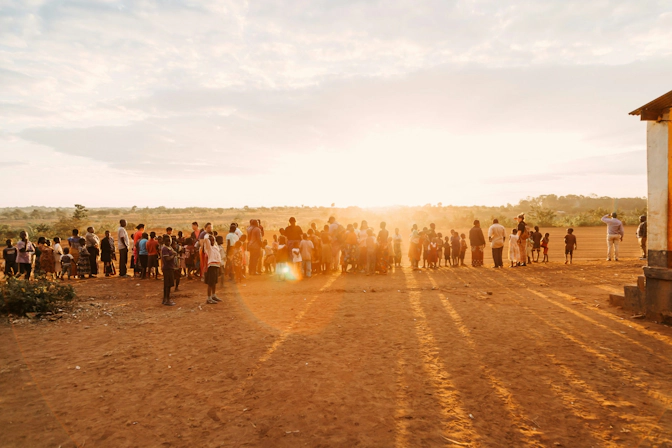
Buying weed in Malawi is illegal for tourists in 2026. Unauthorized cannabis possession is a criminal offense under the Dangerous Drugs Act, with severe penalties that can include life imprisonment. No decriminalization exists. There is no legal pathway for tourists to purchase recreational cannabis, and Herb’s assessment is that engaging the informal market carries significant safety, fraud, and law-enforcement risks.
The practical realities of cannabis in Malawi for visitors are worth understanding fully before making any decisions on the ground.
The Legal Reality
Recreational cannabis is illegal in Malawi. This is not an ambiguous or contested legal position. The Dangerous Drugs Act makes possession, use, sale, and cultivation of cannabis for recreational purposes a criminal offense with severe penalties. Foreign tourists are not exempt from these laws. Being a citizen of a country where cannabis is legal does not affect your legal standing in Malawi. You are subject to Malawian law from the moment you arrive.
The On-the-Ground Reality

craig manners
At the same time, cannabis is visibly present in parts of Malawi, particularly in the tourist-oriented areas around Lake Malawi and in backpacker-heavy towns. This presence creates a misleading impression that recreational use is tolerated or that the legal risk is theoretical rather than real.
The informal cannabis market in these areas operates through social networks, long-standing local relationships, and community-level knowledge of who sells what and where. Tourists who approach this market as outsiders enter a fundamentally different risk environment than the locals navigating it.
Herb's Risk Assessment for Cannabis Tourists in Malawi
Based on our analysis of enforcement patterns, documented tourist experiences, and the Malawian legal framework, Herb rates cannabis-related risk in Malawi as follows:
| Activity | Risk Level | Primary Hazard |
|---|---|---|
Possession of any amount | HIGH | Severe criminal penalties under the Dangerous Drugs Act |
Purchasing from strangers | VERY HIGH | Police involvement and extortion risk |
Purchasing in tourist areas | VERY HIGH | Police presence and targeting of foreigners |
Cross-border transport | SEVERE | International drug trafficking charges |
Photographing cultivation areas | MODERATE | Detention, confiscation, demands for payment |
Visiting growing regions as cultural interest | LOW | No legal exposure from curiosity alone |
Malawi’s informal cannabis market is one of the most visible in sub-Saharan Africa, but visibility does not mean safety. Our assessment is that the gap between law and informal practice in tourist areas creates false confidence that has led to real consequences for travelers.
Specific Risks for Tourists
Travelers should be aware of practical risks common to illegal drug markets:
- Police involvement: Tourists may be approached by individuals who are working with police, creating apparent sales situations that can lead to arrest or demands for payment to avoid charges.
- Impersonation: Individuals impersonating police officers have been reported in tourist areas near Lake Malawi, using the threat of arrest to extort money from tourists in possession of cannabis.
- Product uncertainty: Without a regulated market, there is no mechanism to verify what is actually being sold. Contamination, substitution, and misrepresentation of both quantity and quality are real possibilities with no legal recourse.
- Extended detention: Criminal proceedings in Malawi can move slowly. Foreigners arrested on drug charges may face extended pre-trial detention, and the process of resolving legal matters in a foreign country is expensive, stressful, and unpredictable.
What Responsible Travelers Do

maria zardoya
Cannabis travelers drawn to Malawi for its heritage most often come to understand the culture, the history, and the botanical significance of Malawi Gold rather than to purchase illegal cannabis. That kind of engagement, visiting growing regions, speaking with locals about the chamba tradition, learning about the Malawi Cob process, and understanding the country’s relationship with the plant, is possible without engaging the illegal market.
Malawi is worth visiting for many reasons. Lake Malawi is one of Africa’s Great Lakes, and Lake Malawi National Park at the southern end of the lake is a UNESCO World Heritage Site with warm clear freshwater, exceptional biodiversity, and lakeside communities with their own rich culture. The country’s highlands, the Shire River valley, and the Nyika Plateau offer extraordinary natural scenery. The people are consistently described by travelers as among the most welcoming on the continent.
Cannabis is part of Malawi’s cultural fabric. But the country is considerably more than that single story, and exploring it does not require putting yourself at legal risk.
Herb’s news section covers global cannabis policy and culture with the depth cannabis travelers expect from a platform serving 14 million enthusiasts.
Malawi's Emerging Legal Cannabis Industry

richard nyoni
Malawi’s cannabis industry holds significant economic potential, and the 2020 Cannabis Regulation Act created the framework to pursue it. Here is where things stand as of 2026.
The Cannabis Regulatory Authority
The Cannabis Regulatory Authority (CRA), based in Lilongwe, oversees all legal cannabis activity in Malawi. License applications from domestic and international companies cover cultivation, processing, storage, sale, export, and distribution. The CRA evaluates applicants on facility standards, security measures, compliance history, and financial capacity.
The CRA’s mandate is currently limited to medicinal and industrial cannabis. There is no recreational licensing pathway in the existing regulatory framework.
The European Export Opportunity
Malawi’s government has identified European pharmaceutical cannabis markets as the primary target for export development. Germany’s expanded medical cannabis access, combined with similar reforms in other European countries, has created demand for GACP-certified cannabis from producers outside the European Union. Some investment-promotion sources have projected Africa’s cannabis market could reach about US$7.1 billion, though this should be framed as a projection rather than a confirmed realized market size.
In 2023, local media reported a Malawi Gold cannabis biomass export to Macedonia that officials or promoters said could generate up to $500 million annually if fully scaled. This should be treated as a projection, not confirmed revenue, but it reflects growing commercial momentum in Malawi’s legal cannabis sector.
Malawi’s advantages in this market include deep cultivation expertise, established genetics with international name recognition, a suitable climate for large-scale outdoor production, and significantly lower production costs than European alternatives.
The challenge is matching pharmaceutical-grade requirements for consistency, contamination testing, and supply chain documentation. Several licensed operators in Malawi are actively working to meet these standards.
The Broader African Cannabis Landscape
Malawi sits within a shifting continental context. South Africa’s Constitutional Court decriminalized personal cannabis cultivation and use in 2018, creating a significant policy divergence within the southern African region. Lesotho established a medical cannabis export industry that has drawn international investment. Zimbabwe legalized medical cannabis cultivation. The regional trend is toward reform, even if the pace and scope vary significantly by country.
For cannabis policy observers, Malawi’s trajectory over the next five years is worth following. If the legal export industry delivers meaningful economic returns, the argument for broader reform, including some form of decriminalization or regulation of recreational use, will become harder for policymakers to resist.
Exploring African Landrace Strains
Malawi Gold represents something increasingly rare in the global cannabis market: genetics that evolved in a specific place without deliberate human interference through hybridization. These strains carry botanical, historical, and sensory information that modern hybrids cannot replicate.
Africa is home to several of the world’s most significant landrace genetics. Malawi Gold, Durban Poison, and Swazi Gold form the core of what cannabis culture recognizes as Africa’s landrace heritage. Strains from Ethiopia, Mozambique, and Angola have also contributed to the genetic record, though with less international documentation.
For cannabis enthusiasts interested in exploring landrace genetics, their terpene profiles, effects, and histories, Herb’s strain library is a comprehensive starting point. The database covers effects, community reviews, terpene breakdowns, and growing information for hundreds of strains including the African landraces.
How We Researched This Guide
This guide is based on our review of Malawi’s primary cannabis legislation (the Cannabis Regulation Act No. 6 of 2020 and the Dangerous Drugs Act), cross-referencing the Cannabis Regulatory Authority’s published licensing data, and consulting documented historical sources including David Livingstone’s 1865 field records and academic research on African landrace genetics.
Our analysis of competing cannabis country guides found that most cover Malawi’s legal status in under 400 words. This guide is designed to be the definitive English-language resource on Malawi’s cannabis landscape, covering law, strain profile, cultural history, regional growing geography, informal market risks, and legal industry development in a single comprehensive reference.
Herb’s strain review methodology and terpene analysis approach are detailed on the Herb Malawi Gold page.
The Bottom Line

Herb
Malawi Gold is one of the genuinely legendary strains in global cannabis culture: a sativa-leaning landrace with a 600-year history, a traditional curing practice found nowhere else in the world, and reported psychoactive qualities that set it apart from virtually everything on the modern market. The country that produced it is at a real inflection point, building a legal cannabis export industry based on those same genetics while maintaining criminal penalties for recreational use.
For cannabis enthusiasts, Malawi is worth understanding as a cultural and botanical story, even from a distance. The chamba tradition, the Malawi Cob, the Nkhotakota growing region, the Three Big C’s, and the ongoing policy evolution make it one of the most compelling chapters in global cannabis history.
What that means practically: travel to Malawi for the country, the lake, and the culture. Understand the legal risks clearly before making any decisions. And if you want to explore what African landrace genetics offer, start with the strain profiles at Herb rather than the informal market.
Frequently Asked Questions
Is weed legal in Malawi?
No, recreational cannabis is not legal in Malawi as of 2026. Unauthorized possession, use, sale, and cultivation of cannabis are criminal offenses under the Dangerous Drugs Act, with severe penalties including a fine of K500,000 and imprisonment for life. The Cannabis Regulation Act of 2020 created a legal framework for medicinal and industrial cultivation only and did not change the legal status of recreational use or personal possession. No decriminalization has been enacted since then.
What is Malawi Gold?
Malawi Gold is a sativa-leaning landrace strain native to the highlands of Malawi in southern Africa. It is one of Africa’s most historically significant cannabis strains, grown in the region for centuries. It is widely described in cannabis culture as associated with energetic, cerebral effects. Reported THC ranges vary by phenotype, cultivation conditions, and testing method and should be treated as approximate. Its primary terpenes are myrcene, caryophyllene, limonene, and pinene. See the full profile on the Herb Malawi Gold page.
What is a Malawi Cob?
A Malawi Cob is a traditional cannabis curing practice unique to Malawi. After harvest, freshly cut buds are wrapped tightly in corn husks or banana leaves and stored in warm, low-oxygen conditions for a minimum of 40 days. Users and cannabis-culture sources report the process changes aroma, texture, and perceived effects, producing a dense, compressed, cylindrical mass of cured cannabis with characteristics not found in conventionally cured versions of the same genetics. The specific biochemical changes are not well documented in peer-reviewed research. Authentic Malawi Cobs are extremely rare outside Malawi.
Can tourists buy weed in Malawi?
No. Purchasing cannabis in Malawi is a criminal offense for tourists and Malawian nationals alike. An informal cannabis market exists in tourist areas, particularly around Lake Malawi, but Herb’s assessment is that engaging it carries significant safety, fraud, and law-enforcement risks, including police involvement, potential extortion, uncertain product quality, and genuine legal exposure with severe penalties under the Dangerous Drugs Act. There is no legal pathway for tourists to purchase recreational cannabis in Malawi under current law.
Does Malawi have a medical cannabis program?
Malawi has a legal framework for licensed medicinal and industrial cannabis cultivation and export, established by the Cannabis Regulation Act of 2020. However, Herb could not verify a broad domestic patient-access or retail medical cannabis system comparable to Canada or Germany. The current framework appears primarily licensing- and production-oriented, targeting export markets rather than domestic medical access. Malawian patients cannot legally obtain cannabis for medical use through a standardized prescription pathway as of 2026.
This article is for informational purposes only and does not constitute legal advice. Cannabis laws vary by jurisdiction and are subject to change. Always verify current regulations with official sources before traveling. Herb does not encourage the purchase or use of cannabis in jurisdictions where it is illegal.
Herb Recommended Products:
READ MORE