How to Buy Weed in Iceland: Laws, Risks & 2026 Guide
Understanding why cannabis remains illegal in Iceland, what the exact penalties are, how enforcement works at airports and in Reykjavík, and what to do before you arrive
Herb
April 27, 2026
This article contains sponsored content. Some of the products featured are part of paid partnerships. This page explains how our process works.

nicolas j Leclercq
Understanding why cannabis remains illegal in Iceland, what the exact penalties are, how enforcement works at airports and in Reykjavík, and what to do before you arrive
April 27, 2026
You cannot legally buy weed in Iceland in 2026. There are no recreational dispensaries, no licensed cannabis retail shops, and no legal pathway for tourists to purchase THC-containing cannabis anywhere in the country. Possession is a criminal offense under the Narcotics Act, and even a first-offense fine may create a record in Iceland’s criminal justice system. Travelers should not assume a fine has no future consequences.
If you are wondering how to buy weed in Iceland, the honest answer is: you cannot, and attempting to do so puts you at serious legal risk. Iceland enforces some of the strictest drug laws in Northern Europe. For foreign nationals, the consequences can extend beyond fines. A drug conviction may create immigration consequences, including potential deportation and re-entry restrictions, depending on the facts of the case.
That said, Iceland is not a zero-context story. Around 35% of Icelanders have tried cannabis at some point, a significant underground market exists, CBD products are available in pharmacies, and a reform debate is gaining traction in parliament. Millions of travelers arrive in Reykjavík from countries where cannabis is fully legal, including the United States, Canada, Germany, and Thailand, and understanding exactly what the rules are before you land matters.
This guide covers Iceland’s marijuana laws in full, what tourists actually risk if caught, how the black market operates, what CBD products are legal to buy, how medical cannabis works, and where Iceland’s legalization debate stands as of 2026.
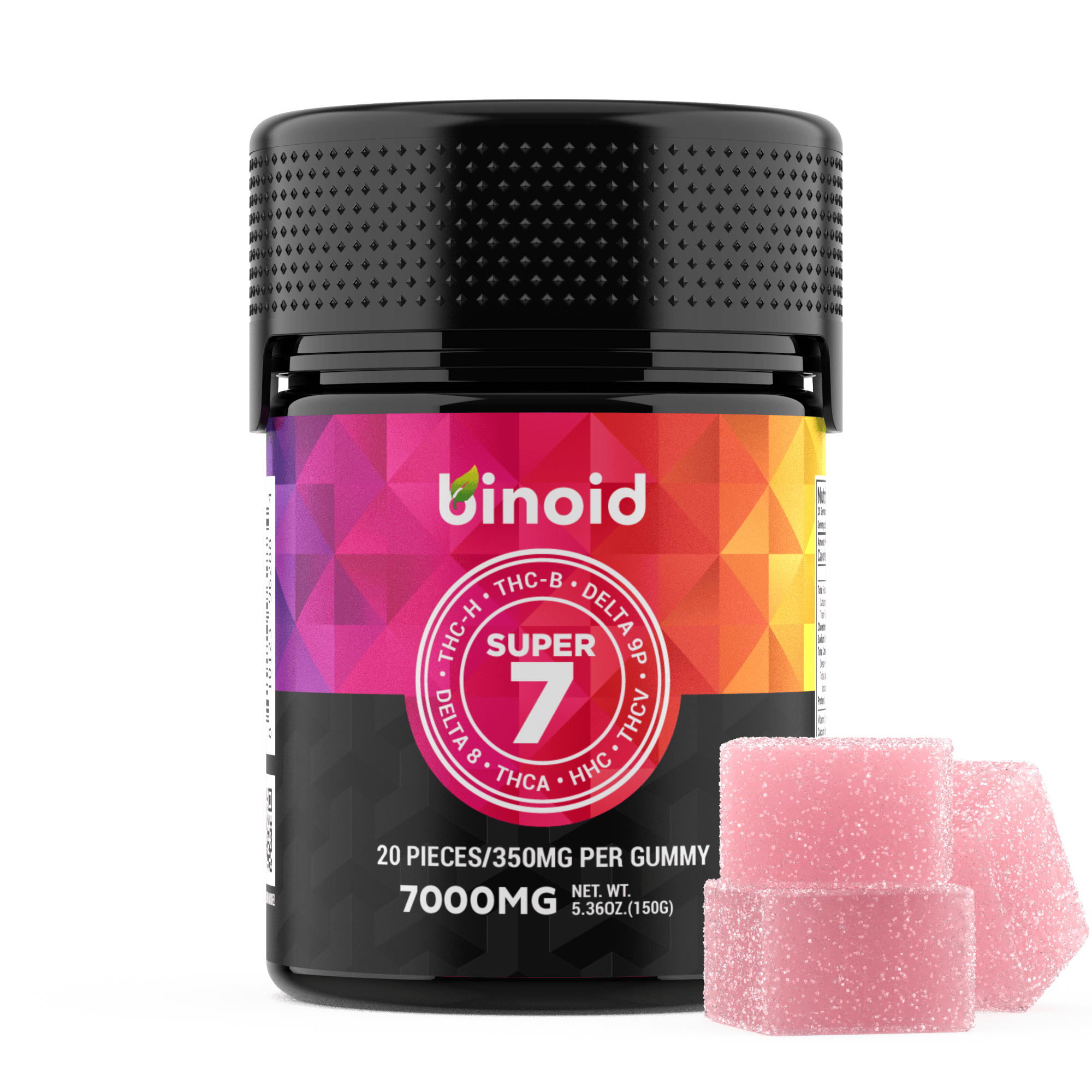
It’s safe to say your weed should stay home when you’re traveling to Iceland. Once you’re back somewhere hemp-derived cannabinoids are legal, Binoid’s Super 7 Gummies combine THCA, THC-H, THC-B, Delta 9P, Delta 8, HHC, and THCV into a single high-potency gummy for high-tolerance users.
Each bag includes:
Availability depends on state law; always check your local regulations before purchasing hemp-derived cannabinoid products.
Ready to test your tolerance? Herb readers save 25% with code HERB25 at Binoid.

redcharlie

ADAM JANG
The question “how to buy weed in Iceland” gets around 360 monthly searches, and in 2026, it makes complete sense.
Cannabis is now legal recreationally in Germany, Canada, much of the United States, and several other countries that tourists frequently visit before or after Iceland. Social norms have shifted dramatically in just five years. A traveler who purchased legally at a dispensary in Denver last week, or picked up a pre-roll in Amsterdam last month, arrives in Reykjavík wondering what the rules are, and search results do not always surface penalty-specific answers before someone boards a flight.
Iceland adds another layer of confusion. It is both wildly popular, drawing just under 2.3 million foreign overnight visitors in 2025 to a country of approximately 394,000 residents as of January 1, 2026, and consistently ranked among the world’s more progressive, open societies. Travelers often assume a progressive social reputation translates to cannabis tolerance. It does not.
Iceland’s drug policy reflects a deliberate, distinct choice, one built on a youth prevention model that has earned international recognition, and that framework produces strict enforcement regardless of what is happening in neighboring countries.
This guide answers the real question: not just “is it legal?” but “what exactly happens, what is realistic, and what should you actually do before you arrive?”
tejash shah
You cannot legally buy weed in Iceland in 2026. Iceland has no recreational cannabis dispensaries, no decriminalization policy, and no licensed retail market for THC-containing products of any kind. Possession is a criminal offense under the Narcotics Act and may create a record in Iceland’s criminal justice system, including for tourists.
Here is the full picture of Iceland’s cannabis landscape as of 2026:
Iceland stands as one of the more restrictive European Union-adjacent nations on cannabis. Unlike neighboring countries such as Denmark, where certain forms of medical cannabis are more accessible, Iceland has maintained strict prohibition and criminal penalties for all recreational cannabis activity.
For travelers using Herb’s cannabis law guides to navigate cannabis laws abroad, Iceland belongs in the same category as countries where the honest advice is: leave your cannabis at home and know the law before you arrive.
CASSIE BOCA
Iceland’s cannabis prohibition is codified under the Narcotics Act (Lyfjalög and the associated Regulation on Narcotics. Article 2 of the relevant provisions explicitly prohibits import, export, sale, purchase, exchange, delivery, reception, production, preparation, and possession of narcotics, which includes cannabis.
There is no carve-out for personal amounts. There is no decriminalization framework. The law treats cannabis as a controlled substance, and possession, regardless of quantity, is a criminal offense that can result in a fine, arrest, prosecution, and a record in Iceland’s criminal justice system.
The Act sets out penalties in tiers:
Iceland is a signatory to the major international drug conventions and aligns its domestic law with the UN Single Convention on Narcotic Drugs. There is no “tolerated use” policy, no designated consumption areas, and no safe-consumption guidance for tourists.
One important nuance: while the law technically applies to all possession, enforcement discretion plays a role in how small amounts are handled in practice. First-time offenders caught with very small quantities typically receive fines rather than prosecution, but this does not mean the activity is legal, and it does not protect against a criminal record.

ICELAND POLICE
Iceland’s penalty structure for cannabis-related offenses is among the more serious in Northern Europe.
| Offense | Penalty |
|---|---|
| Small possession (first offense) | Fine starting at 35,000 ISK (~$250-$500 USD); possible criminal record |
| Larger quantities | Investigation into possible supply or sale; potential prosecution and imprisonment |
| Sale, trafficking, or supply | Prison sentence; significant imprisonment for serious offenses |
| Import/export | Prosecution; possible imprisonment depending on circumstances |
| Cultivation | Prosecution; possible imprisonment |
| Driving under the influence | Criminal charge, license revocation |
Key points from this structure:
tom podmorE
Foreign nationals in Iceland are subject to the same laws as Icelandic residents and may face additional consequences specific to non-citizens.
The practical takeaway: a small amount of cannabis in Reykjavík carries consequences that extend far beyond a single trip. The risk is not just a fine. It is the downstream impact on future travel, immigration, and background checks.
Keflavík International Airport (KEF) serves as Iceland’s primary international gateway, and Icelandic customs are thorough by European standards.
Drug detection procedures at KEF include:
Icelandic Customs publishes explicit guidance that cannabis, including cannabis products legal in the traveler’s home country, is prohibited from being brought into Iceland. This includes legal U.S. dispensary products, Canadian recreational cannabis, and cannabis-containing edibles.
Attempting to bring cannabis into Iceland is a serious offense and may expose travelers to prosecution, fines, confiscation, and possible imprisonment depending on the amount and circumstances. This is a separate and more serious category of offense than domestic possession, as importation is treated as a form of trafficking under the Narcotics Act.
There is no gray zone for bringing cannabis from legal markets into Iceland. A product purchased legally in Amsterdam, Colorado, or Toronto is still illegal contraband at Keflavík. Customs officers are trained to look for it, and the consequences of getting caught at the border are substantially worse than being caught elsewhere in Reykjavík.
Despite Iceland’s strict laws, cannabis is present in Reykjavík’s underground scene. Around 35% of Icelanders have tried cannabis at some point, reflecting a gap between legal prohibition and social reality.
However, the practical reality for tourists is significantly different from the experience of residents.
Unlike cities where cannabis is more openly available, including Amsterdam’s coffee shops, Barcelona’s cannabis social clubs, and Bangkok’s regulated dispensaries, Reykjavík has no visible street market for weed.
Cannabis transactions in Reykjavík are reported to primarily occur through closed messaging apps like Signal and Telegram, private social networks and personal connections, and online groups that are regularly shut down by platforms.
These networks are largely inaccessible to tourists. They are built on trust relationships and existing social circles. A visitor to Iceland for a week or ten days has few realistic pathways into these closed communities.
Iceland’s illicit cannabis market appears to include both imported supply and domestic cultivation, according to police reporting cited by Nordic drug-policy sources. Prices are among the highest in Northern Europe, typically ranging from $30 to $50 USD per gram and sometimes higher, compared to under $10 per gram in legal U.S. markets.
Tourists who attempt to find cannabis through unverified channels, messaging strangers, asking hostel staff, or responding to vague social media ads, frequently encounter scams. Money changes hands, and no product is delivered. Because the transaction is illegal, there is no recourse.
The honest picture: Iceland’s underground market exists, but it is not reliably tourist-accessible, and attempts to access it expose visitors to both legal risk and financial fraud.
CBD is tightly regulated in Iceland, and travelers should verify a specific product’s status with the Icelandic Medicines Agency (IMA) before bringing it into the country.
Approved CBD products can be purchased at licensed pharmacies in Iceland, but the selection is narrow and ingestion products, such as oils taken orally, typically require a prescription. Cosmetic CBD products, including creams and topicals, are more accessible.
Iceland began permitting industrial hemp cultivation in April 2020, with strict seed regulations ensuring plants remain under the 0.2% THC threshold. This cultivation is for industrial fiber and seed purposes, not for consumer CBD production at scale.
For cannabis-curious travelers who rely on CBD products for sleep, anxiety management, or other personal reasons, the safest approach is to travel with a copy of the product’s certificate of analysis confirming the THC content, and to confirm whether the specific product is on Iceland’s approved list before arriving.

ian deneumostier
Iceland’s medical cannabis program is among the most tightly controlled in Northern Europe.
Sativex, a mouth spray containing THC and CBD in a 1:1 ratio manufactured by GW Pharmaceuticals, holds marketing authorization in Iceland. It is approved specifically for spasticity associated with multiple sclerosis (MS) and is available only by prescription from specialists in neurological diseases. In select cases, Icelandic physicians may also apply for other medicinal products containing THC and/or CBD if those products have valid marketing authorizations in other countries and the physician justifies the need.
Key constraints of Iceland’s medical cannabis program:
A proposed medical cannabis pilot project has been introduced in parliament, which would expand access to a broader patient population. As of April 2026, this proposal has been postponed and its timeline remains uncertain.
For medical cannabis patients planning to visit Iceland, the guidance is clear: do not bring your medication without prior confirmation from Icelandic authorities. Iceland’s Customs does not recognize foreign medical cannabis authorizations, and possession of cannabis, including products prescribed abroad, is treated as standard possession under the Narcotics Act.
rory hennessey
Iceland is not standing still on cannabis policy, even if change has been slow.
For cannabis enthusiasts tracking global legalization progress, Iceland is a country to watch over the next three to five years, not a destination for legal cannabis tourism today. Keep up with Herb’s cannabis news as the global landscape continues to shift.
henry becker
Iceland’s approach to cannabis stands in contrast to its Nordic neighbors, each of which has taken a distinct position.
|
Country |
Recreational Status |
Medical Access |
CBD Rules |
|---|---|---|---|
|
Iceland | Fully illegal, criminal | Sativex authorized (MS); select physician access to other authorized products | Tightly regulated; product-specific approval required |
| Denmark |
Illegal | Broad pilot program (since 2018) |
Legal under 0.2% THC |
| Norway |
Illegal; full decriminalization reform debated in 2021 but not adopted | Sativex and select access |
Legal under 0.2% THC |
| Sweden |
Illegal | Very narrow prescription access |
Legal under 0.2% THC |
| Finland | Illegal | Narrow prescription access |
Legal under 0.2% THC |
Iceland
Recreational Status
Medical Access
CBD Rules
Recreational Status
Illegal
Medical Access
CBD Rules
Legal under 0.2% THC
Recreational Status
Illegal; full decriminalization reform debated in 2021 but not adopted
Medical Access
CBD Rules
Legal under 0.2% THC
Recreational Status
Illegal
Medical Access
CBD Rules
Legal under 0.2% THC
Recreational Status
Medical Access
CBD Rules
Legal under 0.2% THC
Note: Cannabis laws vary by country and are subject to change. Always verify locally before travel.
Denmark stands out in this peer group, having launched one of Europe’s most significant medical cannabis pilot programs in 2018 that has since been extended and expanded. Norway debated a full decriminalization reform in 2021, but the proposal was not adopted. Finland and Sweden maintain more restrictive positions comparable to Iceland’s.
Iceland sits closer to the restrictive end of the Nordic spectrum, particularly given the absence of any enacted decriminalization measure for personal possession.
AMY FLAK
If you are visiting Iceland and want to navigate the landscape responsibly, here is what to keep in mind.
For cannabis enthusiasts planning a European trip:
Iceland is one of several countries where the smart move is to simply enjoy the stunning landscape, including the Northern Lights, the geothermal pools, and the glacier treks, without cannabis. The legal risk-to-reward ratio is unfavorable compared to destinations where legal access exists. Explore legal cannabis destinations where the picture is more favorable.

aiden patrissi
tejash shah
Iceland is one of Europe’s most unambiguous cannabis destinations: full prohibition, active enforcement, and consequences that can follow tourists home. There is no gray zone, no tolerance policy, and no legal retail channel. The risk-to-reward calculation for attempting to access cannabis here is unfavorable compared to almost any other destination.
Here is what that means for different travelers:
The smartest move is to enjoy Iceland for what it genuinely offers, one of the most spectacular landscapes on Earth, and return when the law changes. In the meantime, explore legal cannabis destinations where legal access already exists.
No. Cannabis for recreational use is illegal in Iceland under the Narcotics Act. There is no decriminalization, no recreational dispensary program, and no legal retail channel for THC-containing cannabis. Possession is a criminal offense that can result in fines and may create a record in Iceland’s criminal justice system.
For small amounts, first-time offenders typically face a fine starting at 35,000 ISK (approximately $250 to $500 USD) and may have a record created in Iceland’s criminal justice system. For larger quantities, police may investigate whether the case involves supply or sale, which can lead to prosecution and imprisonment. Tourists also risk immigration consequences, including possible deportation and Schengen-area entry restrictions, depending on the facts of the case.
CBD is tightly regulated in Iceland. Travelers should verify a specific product’s status with the Icelandic Medicines Agency (IMA) before bringing it into the country. Topical products may be more accessible, while ingestion products generally require a prescription. CBD flowers are explicitly banned regardless of THC content.
No. Do not bring medical cannabis, cannabis flower, edibles, or THC products into Iceland unless Icelandic authorities have confirmed in advance that the specific medicine, documentation, and quantity comply with Icelandic import rules. Iceland does not recognize foreign medical cannabis authorizations, and possession of cannabis, including products prescribed abroad, is treated as standard possession under the Narcotics Act.
Iceland is in an active but slow-moving policy debate. A decriminalization bill passed its first reading in parliament in 2023 but had not been enacted into law as of April 2026. A medical cannabis pilot has been proposed but delayed. In October 2025, Reykjavík hosted the Hemp4Future conference exploring regulated access. Change is on the horizon, but Iceland is not expected to legalize recreational cannabis in the near term.