How to Buy Weed in Houston: Texas Cannabis Laws, the Louisiana Border Effect & What’s Actually Legal
Understanding medical marijuana access, hemp product restrictions, and what Houston residents can legally purchase in 2026.
Herb
July 05, 2026
This article contains sponsored content. Some of the products featured are part of paid partnerships. This page explains how our process works.

rome wilkerson
Understanding medical marijuana access, hemp product restrictions, and what Houston residents can legally purchase in 2026.
July 05, 2026
Houston residents face a confusing cannabis landscape where laws have been in flux due to ongoing legal challenges throughout 2026. Unlike states with recreational dispensaries, Texas offers no walk-in cannabis shops. Only medical marijuana through the Texas Compassionate Use Program (TCUP) and a shifting selection of legal hemp products are available. Texas DSHS hemp rules that took effect March 31, 2026, tightened THC compliance standards for many smokable hemp products, though ongoing litigation has changed enforcement conditions more than once this year, and possession of under two ounces without a TCUP prescription can still carry up to 180 days in jail. Understanding what’s actually legal isn’t optional. It’s essential. Whether you’re exploring cannabis products for the first time or trying to figure out your options, this guide breaks down exactly how Houston residents can access cannabis legally.
A note before you read on: Texas hemp and cannabis law has been especially volatile in 2026, with court rulings and agency rulemaking changing enforcement more than once. Always verify current rules with the Texas Department of State Health Services (DSHS), the Texas Department of Public Safety (DPS), or a licensed Texas attorney before buying, selling, or relying on any legal information in this guide.

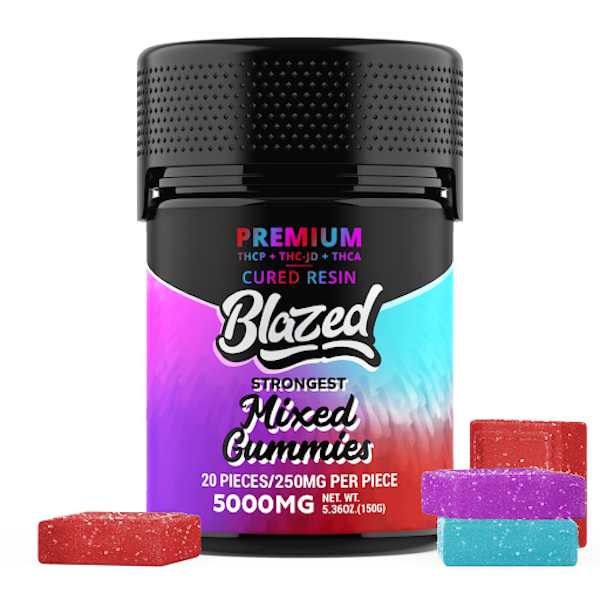
Skip the state-line risk entirely. Binoid’s Blazed THCA + Delta 9P Gummies are Farm Bill-compliant hemp shipped straight to your door. No border crossing required, with 250mg per gummy across 20 gummies in Purple Dream, Cherry Pop, and Cotton Candy. That is a serious dose, so start with a quarter and give it two hours. Currently $29.99, down from $69.99.
Important: Legality varies by state, and a narrower federal hemp definition is scheduled to take effect in late 2026; verify state laws before purchasing.

jeswin thomas
Evan Macdonald
No, not recreationally. Texas maintains some of the strictest cannabis laws in the country. While many states have legalized recreational marijuana, Texas restricts access to a narrow medical program and has recently tightened hemp regulations that once provided a partial workaround.
The distinction between legal and illegal cannabis products comes down to THC content, product format, and current rulemaking, which has shifted more than once in 2026:
Legal Products:
Illegal or Currently Uncertain Products:

Pixabay
Under federal law, hemp contains 0.3% or less Delta-9 THC by dry weight, while marijuana exceeds that threshold. Texas adopted this distinction through the 2018 Farm Bill but has since restricted what hemp products can actually be sold.
Texas DSHS rules that took effect March 31, 2026, changed hemp testing and compliance standards, including counting THCA toward total THC, which can make many smokable hemp flower and pre-roll products noncompliant. However, litigation has created shifting enforcement conditions this year, with a May 2026 temporary injunction and a June 2026 appeals ruling both affecting the picture, so retailers and consumers should verify the current status before buying or selling these products. This regulatory shift significantly affected Houston’s hemp retail market, and many shops have had to adjust their inventory accordingly.
Don’t let the hemp market confuse you about Texas’s stance on marijuana:
These penalties apply to any cannabis product not obtained through TCUP, including marijuana purchased legally in other states.

Pete Alexopoulos
TCUP represents the primary legal pathway to THC products for Texas residents. While more restrictive than medical programs in states like California or Colorado, recent expansions have made the program accessible to more patients.
HB 46 significantly expanded qualifying conditions starting September 2025. You may qualify if you have:
The expansion marked a significant shift. Previously, TCUP covered only a handful of conditions, like intractable epilepsy.
The application process involves four steps:
Step 1: Verify Your Eligibility
Gather medical documentation proving your qualifying condition. You’ll need:
Step 2: Schedule a TCUP Physician Appointment
Only physicians registered with the Compassionate Use Registry of Texas (CURT) can prescribe medical marijuana. You have two options:
Step 3: Complete Your Consultation
Bring to your appointment:
The physician will evaluate your condition and, if approved, enter your prescription into the CURT system. Processing timing after approval may vary by provider and dispensary.
Step 4: Purchase Your Medicine
Once registered in CURT, you can purchase from any licensed Texas dispensing organization. Your digital certification letter and patient portal access replace traditional “medical marijuana cards.”
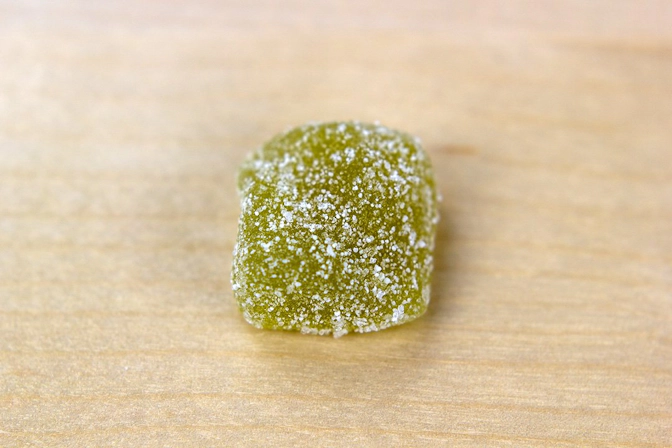
Texas medical marijuana differs from recreational products in other states. TCUP products can include:
Smoking cannabis remains prohibited under all circumstances. Under HB 46, low-THC cannabis is defined as cannabis containing not more than 10 milligrams of tetrahydrocannabinols per dosage unit, with additional package and pulmonary-inhalation device limits also set by law.
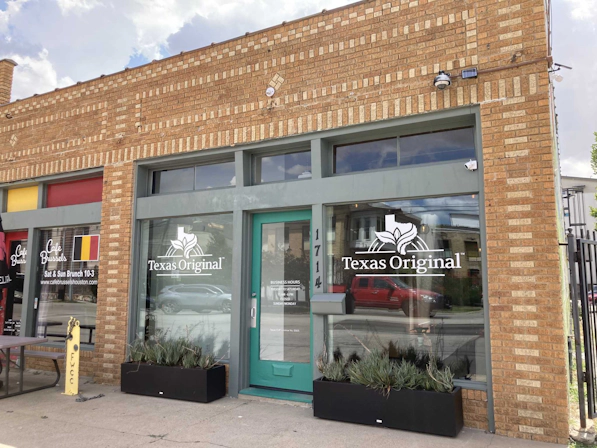
Three dispensing organizations currently serve Texas, with multiple pickup locations throughout the Houston metro. HB 46 authorizes an eventual expansion to 15 total TCUP licenses, up from the three currently active licenses, so this landscape is expected to grow.
Texas Original – Houston Heights
Confirm current Texas Original pickup locations, including any Sugar Land, Katy, or The Woodlands/Conroe partner sites, on Texas Original’s official pickup-location page before ordering.
Goodblend Texas – Houston
All locations require advance ordering. Walk-in purchases aren’t available at most partner sites.
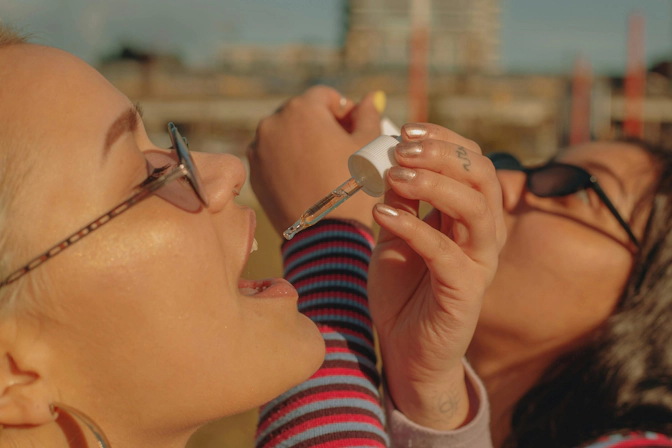
The hemp-derived cannabinoid market that once thrived in Houston has contracted significantly, and legal uncertainty has increased through 2026. Understanding what products remain legal helps you avoid both legal trouble and wasted money on unavailable items.
Delta-8’s status in Texas is highly unsettled and legally risky. In May 2026, the Texas Supreme Court allowed DSHS to treat manufactured Delta-8 THC as a Schedule I controlled substance, while separate hemp-rule litigation over smokable products continues. This significantly narrows what can be presented as clearly legal:
Anticipated federal rule changes that would define hemp based on “total THC” (Delta-9 plus THCA plus Delta-8) could further narrow or eliminate products currently marketed as legal hemp derivatives. Given how quickly this area is changing, verify current product legality directly with DSHS or a licensed Texas attorney before purchasing.
The 2026 regulatory changes have significantly disrupted Houston’s hemp retail sector. Most shops that previously carried a full range of hemp products now operate in limbo, unsure which items remain compliant.
Retailers to Verify Before Visiting:
Online Options:
Before purchasing any hemp-derived product in Houston:
For those exploring cannabis strains and effects, understanding the difference between Delta-8, Delta-9, and CBD helps you make more informed purchasing decisions, especially while Texas hemp law remains unsettled.

Louis Hansel
Houston is within a few hours’ drive of the Louisiana border, but crossing state lines does not create a legal workaround for bringing cannabis back to Texas. Given Louisiana’s more lenient possession penalties, many Texans wonder whether crossing state lines offers a solution.
The short answer: it doesn’t.
Louisiana operates a medical marijuana program and has decriminalized possession of 14 grams or less, making it a fine of up to $100 with no jail time. This stands in contrast to Texas’s potential 180-day jail sentence for the same amount.
Louisiana does not have adult-use recreational sales. Louisiana law does allow certain visiting qualifying medical patients with valid out-of-state medical marijuana documentation to obtain medical marijuana from licensed Louisiana retailers. However, this does not authorize transporting cannabis back into Texas, and it does not create a recreational purchasing option for visitors:
Even if you obtained cannabis legally in Louisiana, transporting it across state lines remains illegal under federal law and can expose you to serious federal and state consequences. Penalties depend on the facts, including the amount, intent, and prior history. This applies regardless of:
Texas law enforcement actively patrols border areas and has no obligation to recognize Louisiana’s more lenient penalties.
There is an easier route than driving it in. Blazed THCA + Delta 9P Gummies are hemp-derived and compliant under the 2018 Farm Bill, blending THCA, Delta 9P, and THC-JD at 250mg a piece. Vegan, gluten-free, and made in the USA, with 20 gummies split across three flavors. Go slow with these. A quarter gummy is a solid starting point.
Important: Legality varies by state, and a narrower federal hemp definition is scheduled to take effect in late 2026; verify state laws before purchasing.
The Louisiana option provides no practical benefit:
Some Houston residents live within reasonable driving distance of Louisiana, but the legal risks vastly outweigh any convenience. Waiting for Texas laws to change is a safer approach than risking federal or state charges.

houstonia magazine
Unlike states with mature cannabis markets, Texas has no state-licensed adult-use cannabis consumption lounges or social clubs.
Texas law prohibits public cannabis consumption regardless of how the product was obtained. Even TCUP patients must generally consume their medicine:
Texas has no state-licensed adult-use cannabis consumption lounges, and public consumption or unlicensed “bring your own cannabis” events and pop-up lounges may create legal risk for organizers and attendees alike.
Cannabis social lounges would require legislative approval that hasn’t materialized. Until Texas legalizes recreational cannabis and establishes licensing frameworks for consumption venues, Houston residents have no legal public consumption options.
This reality makes home consumption the most compliant choice for TCUP patients, which means learning about proper storage, dosing, and consumption methods becomes essential for new patients.

christian joudrey
Home growing questions arise frequently, especially given the limited TCUP product selection.
Cannabis seeds exist in a legal gray area. Ungerminated seeds contain no THC and technically qualify as hemp. Some retailers sell “souvenir” or “collectible” seeds.
However, germinating those seeds immediately creates marijuana, an illegal controlled substance in Texas outside authorized programs. Do not germinate cannabis seeds in Texas; conduct related to viable seeds may create legal risk depending on the specific facts.
Texas prohibits all cannabis cultivation outside licensed TCUP dispensing organizations. No exceptions exist for:
Penalties for cultivation include felony charges with potential years in prison, depending on plant count and total weight.
Beyond criminal penalties, home cultivation in Houston creates risks including:
The regulatory framework doesn’t support home growing, and law enforcement actively investigates suspected cultivation operations.

felipe galvan
With limited legal options, illicit markets continue operating throughout Houston. Understanding the risks helps you make informed decisions.
Unregulated cannabis carries health risks absent from legal, tested products:
The 2019-2020 EVALI vaping-related lung injury outbreak, which the CDC linked to more than 2,800 hospitalized cases or deaths as of February 2020, was strongly associated with vitamin E acetate found in illicit THC vape cartridges from informal sources.
Red flags indicating illegal operations:
Legal sellers, whether TCUP dispensaries or compliant hemp retailers, provide receipts, display licensing information, verify age, and offer product testing documentation.
Beyond health risks, purchasing from illegal sources exposes you to:
TCUP provides legal protections that illicit markets cannot offer, though private certification appointment fees, commonly cited around $160 to $200 annually, are set by individual providers, not the state.

jose losada
Texas cannabis laws continue evolving, though progress remains slower than advocates hoped.
Several reform measures have gained traction:
The Texas Legislature meets every two years, giving reform advocates recurring opportunities to push new measures.
Polling consistently shows majority Texas support for both medical marijuana expansion and recreational legalization. However, legislative leadership has historically been slow to act despite popular support.
Some local jurisdictions have implemented enforcement reforms, and some Harris County prosecutors have at times declined to pursue low-level possession cases, but state law remains unchanged.
Industry observers expect:
Anticipated federal hemp rule changes may paradoxically accelerate reform by narrowing the hemp “workaround” and forcing clearer state-level policy decisions.
Staying informed through cannabis news sources helps you track developments that affect your options.

alex moliski
While Texas cannabis laws create a challenging and fast-changing landscape, Herb provides the education and resources Houston residents need to make informed decisions.
Herb goes beyond basic information with:
Beyond education, Herb’s own marketplace carries a curated selection of hemp-compliant products where available, including edibles like Super 7 Gummies and Maui Labs CBD Wellness Gummies, beverages such as the 10mg THC Blackberry Zinger Soda and Crescent 9 Tropical THC Seltzer, and accessories from bongs and hand pipes to high-end vaporizers like the G Pen Micro+ and PAX Plus Vaporizer. As with any hemp-derived product, always confirm current Texas compliance and shipping rules before ordering, given how quickly the state’s hemp regulations have changed in 2026.
Herb’s cannabis community and educational resources provide perspectives you won’t find in clinical documentation alone. Real user experiences inform product selection decisions and help you understand what to expect from different products and strains.
For those in legal states or planning travel, Herb’s dispensary directory helps locate quality retailers. As Texas laws potentially expand, these tools become increasingly valuable for Houston residents.
Subscribe to Herb’s newsletters for regular updates:
For Houston residents working within Texas’s restrictive framework, Herb’s educational approach and curated marketplace help you maximize your legal options while staying informed about potential changes.

Herb
Houston’s cannabis landscape remains one of the most restrictive and legally volatile in the country. Here is how the decision breaks down for Houston residents and visitors:
For the latest on Texas cannabis policy, Herb’s cannabis news sources and strain guides can help you stay current.
No. Texas has not legalized recreational cannabis. The primary legal pathway to THC products is through the Texas Compassionate Use Program, which requires a qualifying medical condition, physician certification, and registration in the state’s CURT database. Possession of marijuana without a TCUP prescription remains illegal, with penalties including up to 180 days in jail and a $2,000 fine for amounts under two ounces.
For TCUP patients, possession limits depend on your prescription; physicians specify the amount and form of cannabis you may possess. For non-TCUP individuals, any marijuana possession is illegal. Hemp-derived products must contain 0.3% or less Delta-9 THC by dry weight. Texas DSHS rules effective March 31, 2026, significantly tightened requirements for smokable hemp products, though ongoing litigation has affected enforcement, so verify current status before purchasing. Adults 21+ may still purchase compliant non-smokable hemp products like CBD oils, gummies, and topicals.
No. Transporting cannabis across state lines remains illegal under federal law, and doing so can expose you to serious federal and state consequences depending on the amount, intent, and other facts. This applies even to medical marijuana obtained legally with a valid prescription elsewhere. Once you enter Texas with out-of-state cannabis, you’re subject to Texas possession laws, and Texas TCUP prescriptions are not automatically recognized in other states.
TCUP requires patients to have a qualifying condition (expanded starting September 2025 to include chronic pain, PTSD, cancer, and others), receive a prescription entered into the state’s CURT system by a CURT-registered physician, and purchase products from one of Texas’s licensed dispensing organizations. Private telemedicine clinics commonly advertise certification appointment fees around $160 to $200 annually, though this pricing is set by the provider, not the state. Products can include gummies, tinctures, and topicals, with pulmonary inhalation available in limited cases when a physician determines medical necessity; smoking remains prohibited.
Following Texas DSHS hemp rules effective March 31, 2026, and a May 2026 Texas Supreme Court ruling allowing DSHS to treat manufactured Delta-8 THC as a Schedule I controlled substance, Houston’s hemp and Delta-8 retail landscape has changed significantly and remains legally unsettled. Non-smokable products like CBD oils and topicals are generally on more established legal footing, but Delta-8 products, including gummies and tinctures, should not be assumed to be legal. Always verify current inventory and legal status directly with the retailer, DSHS, or a licensed Texas attorney before purchasing.
This article is for informational purposes only and does not constitute legal advice. Cannabis laws vary by jurisdiction and are subject to change, and Texas hemp and cannabis law has been especially volatile in 2026. Always verify current regulations with official sources before traveling. Herb does not encourage the purchase or use of cannabis in jurisdictions where it is illegal.