How to Buy Weed in Hong Kong: Zero Tolerance, China’s Influence & What Travelers Must Know
Hong Kong controls cannabis and CBD as dangerous drugs with some of Asia's harshest penalties. Here is what every traveler must understand before arriving in the SAR.
Searching for how to buy weed in Hong Kong could cost you your freedom, potentially for life. Unlike regions where cannabis education focuses on strain selection and consumption methods, Hong Kong maintains one of the world’s strictest drug enforcement regimes. Under the Dangerous Drugs Ordinance, cannabis is controlled as a dangerous drug alongside heroin and cocaine, with trafficking penalties reaching life imprisonment and fines up to HK$5,000,000 (about $638,000 USD). This is not a destination where understanding local law is optional. It is the difference between an enjoyable trip and years behind bars.
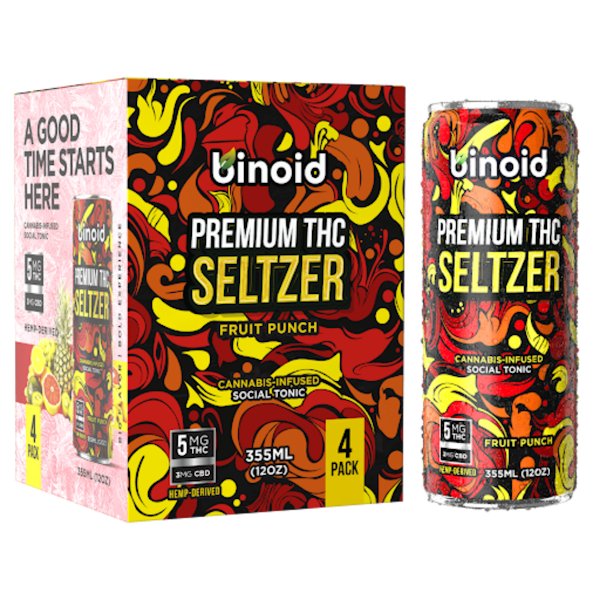
Hong Kong has some of the strictest cannabis laws anywhere, so this one is for after the flight home. Binoid’s Good Vibes THC Seltzer puts 5mg of hemp-derived Delta 9 and 3mg of CBD in every can, which lands as a social dose rather than a knockout one. Four flavors in rotation: Berry Splash, Fruit Punch, Peach Mango, and Blueberry Lemon Breeze. The formula is fast-acting, with no artificial colors and a pinch of Himalayan salt to keep it crisp. No alcohol means no next-day tax. Lab-tested, vegan, gluten-free, and GMP-certified. Currently $19.99 for a 4-pack, or $15.99 on subscription.
Important: Legality varies by state, and a narrower federal hemp definition is scheduled to take effect in late 2026; verify state laws before purchasing.
Cannabis is illegal in Hong Kong with no medical or recreational exceptions.
Since February 1, 2023, CBD has been controlled as a dangerous drug under the same penalty framework as other dangerous drugs.
Under Hong Kong law, trafficking includes importing or exporting dangerous drugs, so bringing cannabis into Hong Kong, even for personal use, can expose travelers to trafficking-level charges.
Maximum penalties for trafficking, importing, exporting, or selling reach life imprisonment and a HK$5,000,000 fine; possession can carry up to 7 years and a HK$1,000,000 fine.
Hong Kong Customs reported seizing about 2.3 tonnes of suspected dangerous drugs at the airport in the first half of 2023, including suspected cannabis buds among other drugs.
If arrested, foreign visitors may face detention, bail restrictions, passport surrender, and difficulty leaving Hong Kong while a case is pending, and the US Consulate cannot secure release or intervene in the legal process.
Is Weed Legal in Hong Kong? Zero-Tolerance Stance in the SAR
DAN FREEMAN
Hong Kong operates under one of Asia’s most punitive drug enforcement frameworks. The territory makes no practical allowance for cannabis types, quantities, or intended use. All forms remain prohibited.
The Letter of the Law: Dangerous Drugs Ordinance
The Dangerous Drugs Ordinance controls cannabis as a dangerous drug, alongside substances such as heroin, cocaine, and methamphetamine. In practice this means:
No medical exceptions. Hong Kong does not provide a medical cannabis pathway.
No decriminalization. Possession of any amount is a criminal offense.
Import treated as trafficking. Importing cannabis falls within the trafficking framework and can expose travelers to trafficking-level penalties.
CBD control. Since February 1, 2023, CBD has been controlled as a dangerous drug.
Penalties for Cannabis-Related Offenses
The sentencing framework reflects Hong Kong’s hardline approach:
Residue. Even residue in a used pipe can lead to arrest.
No threshold. There is no minimum quantity exception.
Cultivation:
Maximum penalty. Up to 15 years’ imprisonment and a fine.
Scope. Growing even a single plant can constitute cultivation.
Real-World Enforcement
Hong Kong Customs maintains active enforcement, particularly at the airport. Recent reported cases illustrate the severity. In each, the maximum penalty is a HK$5,000,000 fine and life imprisonment.
June 2026. Customs reported arresting a 44-year-old local woman after officers found about 15 kg of suspected cannabis buds in her checked suitcase following arrival from Bangkok via Ho Chi Minh City.
May 2026. Customs reported arresting a 31-year-old male passenger from Koh Samui after finding about 5 kg of suspected cannabis buds concealed in snack packaging inside carry-on baggage.
General pattern. Travelers may face arrest, prosecution, and restrictions on departure while a case is investigated or prosecuted, and outcomes vary by facts and charges.
China's Influence on Hong Kong's Drug Policy
Photo by Steets/Getty Images
Hong Kong’s cannabis stance sits within a broader regional context. The CBD control of 2023 is often cited as an example of policy alignment with the mainland.
Historical Context of Drug Control in China
China’s approach to narcotics traces back to the Opium Wars of the 19th century, creating deep cultural and political resistance to drug use. The mainland maintains zero-tolerance drug policies, including the death penalty for serious trafficking offenses and strong social stigma attached to drug involvement.
The CBD Control of 2023
When mainland China moved to classify CBD as a controlled substance, Hong Kong’s policy review followed. The Hong Kong authorities justified the subsequent control with reasoning that included:
Purity concerns. Difficulty extracting pure CBD without THC.
Conversion risk. The potential for CBD to be converted to THC.
Policy alignment. A move toward closer alignment with mainland drug control policy.
This represented a significant shift from Hong Kong’s previous position, where CBD products were sold in cafes and wellness shops throughout the city.
A Note on National Security Laws
Separate from drug laws, US travel advisories warn that Hong Kong’s national security laws may create risks for some travelers. This article focuses on cannabis and dangerous-drug enforcement, and US guidance separately advises travelers not to consume drugs in Hong Kong or before arriving there.
Traveler's Guide: What International Visitors Need to Know
NIC LOW
The consequences for foreign nationals caught with cannabis in Hong Kong are severe. Travelers should understand both the legal framework and the practical complications.
Arrival and Departure: Airport Protocols
Hong Kong Customs uses risk assessment and customs clearance inspections to combat cross-border drug trafficking, including at Hong Kong International Airport, and focuses attention on passengers from higher-risk regions.
Critical warning: Transit passengers who never leave the airport remain subject to drug enforcement. Customs can inspect baggage for transit passengers, and penalties can apply even if you are connecting to another flight.
Risk of Possession: Tourist Perspective
Common traveler misconceptions create serious legal jeopardy:
“It is just CBD oil.” CBD is controlled as a dangerous drug, with the same maximum penalty framework.
“It is a small personal amount.” Importing cannabis can be treated within the trafficking framework.
“I have a medical card from California.” Hong Kong recognizes no foreign medical authorizations.
“I am just passing through.” Transit status provides no protection.
Consequences for Foreign Nationals
If arrested, foreign visitors may face practical complications, including:
Passport surrender. Surrender of your passport and difficulty leaving Hong Kong.
Detention and bail. Detention and bail restrictions while proceedings are pending.
Limited consular help. Consular officials cannot intervene in legal proceedings.
Lasting record. A criminal record that can affect future travel.
Unpacking the "How to Buy" Question: Realities of an Illicit Market
JAMIE STREET
This article addresses the search query directly: attempting to purchase cannabis in Hong Kong exposes you to extraordinary legal and personal risks with no safe pathway.
Sources and Risks of the Black Market
Attempts to buy cannabis can create evidence and exposure:
Digital trails. Messages, payments, deliveries, or contact with sellers can create evidence.
Investigation risk. That evidence may expose a person to investigation or prosecution.
No quality control. Products may contain dangerous adulterants, with no testing or safety standards.
No recourse. There is no consumer protection for an illegal transaction.
Penalties for Involvement
Even attempting to purchase can carry criminal exposure:
Inchoate exposure. Arranging a drug transaction may create criminal exposure, including potential conspiracy-related allegations depending on the facts.
Communications as evidence. Electronic communications can become evidence.
Financial trails. Financial transactions can create paper trails.
Serious stakes. The potential penalties are among the most severe in the region.
The Bottom Line
There is no safe way to buy cannabis in Hong Kong. The risks include life imprisonment, detention before trial, and lasting consequences for your career and travel freedom. Unlike exploring different cannabis strains in legal markets, any involvement with cannabis in Hong Kong is serious criminal activity.
Decoding Cannabis Types in Hong Kong: Understanding the Risks
JOHN MUKIIBI
For awareness rather than guidance, understanding what forms of cannabis exist in Hong Kong’s illicit market helps travelers identify and avoid dangerous situations.
Common Forms Encountered
Hong Kong Customs reported seizing about 2.3 tonnes of suspected dangerous drugs at the airport in the first half of 2023, including suspected cannabis buds. Forms associated with the illicit market include:
Marijuana flower. Often poor quality with unknown origins.
Hashish. Compressed resin, frequently smuggled from Southeast Asia.
Cannabis oil. High-potency extracts that may contain dangerous solvents.
Pre-rolled products. Frequently adulterated with unknown substances.
The Threat of Synthetics
Synthetic cannabinoids present particular dangers in Hong Kong:
Same control. Controlled as dangerous drugs under the law.
False labeling. Sometimes marketed as “legal alternatives,” which they are not.
Health risk. Associated with serious health emergencies.
Unknown contents. Impossible to determine potency or contents without lab testing.
Notify family. Notify family of your arrest, with permission.
Attorney lists. Provide a list of English-speaking attorneys.
Welfare. Visit detainees and monitor welfare.
Process. Explain the local legal process.
What they cannot do:
Release. They cannot get you out of jail.
Payment. They cannot pay legal fees or fines.
Intervention. They cannot interfere with Hong Kong’s legal process.
Representation. They cannot provide legal advice or representation.
If arrested or detained, US citizens should ask police or prison officials to notify the US Consulate General Hong Kong and Macau immediately.
Hong Kong Legal Aid Department
Enquiry line: +852-2537-7677, a 24-hour interactive voice response enquiry system. The department handles legal-aid applications but states that it does not provide general legal advice to the public. Address: 25/F, Queensway Government Offices, 66 Queensway, Hong Kong. If in custody, tell Correctional Services Department staff you want legal aid, and they will assist with the application form.
Duty Lawyer Service
Free legal advice: +852-2526-5969. Tel-Law recorded information: +852-2521-3333.
If Arrested: Immediate Steps
Remain calm. Resistance can create additional charges.
Request consular notification. Ask that your consulate be notified.
Ask for a lawyer. Request legal help through the Legal Aid Department or Duty Lawyer Service.
Stay silent. Exercise your right to remain silent until you have legal help.
Be cautious with searches. Do not consent to searches of your phone or laptop without understanding the implications.
Why Herb Is a Useful Resource for Cannabis Education
While Hong Kong remains off-limits for cannabis activities, Herb serves as a useful educational platform for understanding global cannabis culture, laws, and products in legal markets.
Herb provides value through:
Strain guides. Research thousands of strains with detailed effects, genetics, and growing information.
Product reviews. Explore evaluations of cannabis products available in legal jurisdictions.
Educational resources. From beginner guides to advanced topics, Herb builds a knowledge base for responsible engagement.
Dispensary directory. When you are in legal jurisdictions, find quality dispensaries with reviews and menus.
For travelers who enjoy cannabis in legal markets, Herb’s educational approach helps you understand both the opportunities and the restrictions wherever your travels take you, including the decision to leave cannabis at home when visiting zero-tolerance destinations like Hong Kong.
Final Verdict
Hong Kong is a remarkable destination, but cannabis access is not part of what it offers. Here is how the decision breaks down for cannabis-conscious travelers:
Planning a trip centered on cannabis? Hong Kong is the wrong choice. Cannabis and CBD are controlled as dangerous drugs, and importing can fall within the trafficking framework.
Carrying CBD for wellness? Leave it at home. CBD has been controlled as a dangerous drug since February 1, 2023, with the same maximum penalty framework.
Just transiting through the airport? Transit status offers no protection, and customs enforcement still applies.
A medical cannabis patient? Foreign authorizations carry no weight. Source pharmaceutical alternatives before you travel and carry documentation for any legal medications.
Traveling for Hong Kong itself? You can have an outstanding trip. Skip cannabis entirely and enjoy the city’s food, skyline, and culture.
The honest answer to “how to buy weed in Hong Kong” is that you cannot do so legally, and the consequences of trying are among the most serious anywhere. For destinations where cannabis access is legal, Herb’s guides section has the full picture.
Frequently Asked Questions
Is cannabis legal for medical purposes in Hong Kong?
No. Hong Kong provides no medical exception for cannabis under any circumstances. The Dangerous Drugs Ordinance makes no distinction between recreational and medical use, and foreign medical marijuana cards, prescriptions, or authorizations carry no legal weight. Patients requiring cannabinoid-based treatments should seek alternative medications or avoid traveling to Hong Kong with cannabis products.
What are the penalties for being caught with cannabis in Hong Kong?
Penalties depend on the offense. Trafficking, which includes importing or exporting, carries a maximum of life imprisonment and a HK$5,000,000 fine. Possession and consumption carry up to 7 years and a HK$1,000,000 fine. Cultivation maximums reach up to 15 years. These are maximum penalties; actual outcomes depend on the facts and charges, but the framework is among the most severe in the region.
Can I bring CBD products into Hong Kong?
No. Since February 1, 2023, CBD has been controlled as a dangerous drug. This includes CBD oils, tinctures, edibles, topicals, vape cartridges, and any hemp-derived product containing cannabinoids. Possession can carry up to 7 years and a HK$1,000,000 fine, and trafficking, importing, exporting, or selling can carry up to life imprisonment and a HK$5,000,000 fine. Travelers with CBD products in their luggage risk arrest.
Does Hong Kong recognize any cannabis or CBD exceptions for travelers?
No. There is no tourist, transit, or foreign-prescription exception for cannabis or CBD. The 2023 CBD control followed closer alignment with mainland China’s drug policy. Separately, US travel advisories warn that Hong Kong’s national security laws may create risks for some travelers and advise against consuming drugs in Hong Kong or before arriving, but the drug-law guidance above is what governs cannabis and CBD specifically.
What should a traveler do if offered drugs in Hong Kong?
Decline immediately and leave the situation. Do not engage, negotiate, or accept anything to “hold.” Even being present during a drug transaction can create criminal exposure, and arranging a transaction may lead to conspiracy-related allegations depending on the facts. If you feel unsafe, move to a public area and consider reporting the incident to police. Attempting to purchase cannabis is a criminal act under Hong Kong law.
This article is for informational purposes only and does not constitute legal advice. Cannabis laws vary by jurisdiction and are subject to change. Always verify current regulations with official sources before traveling. Herb does not encoura