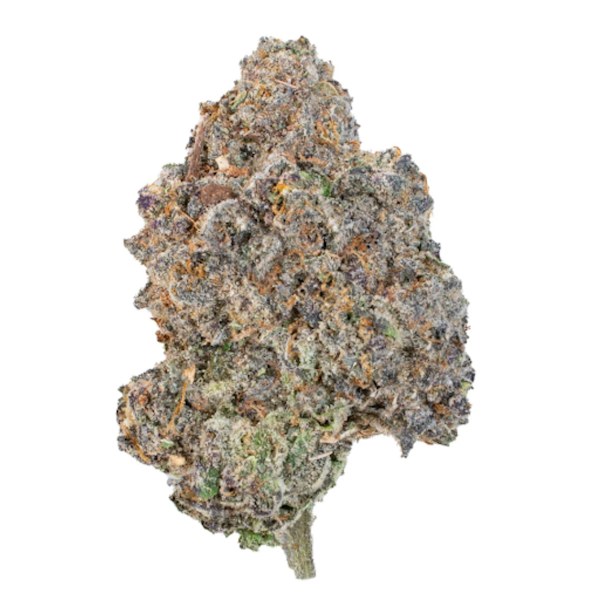
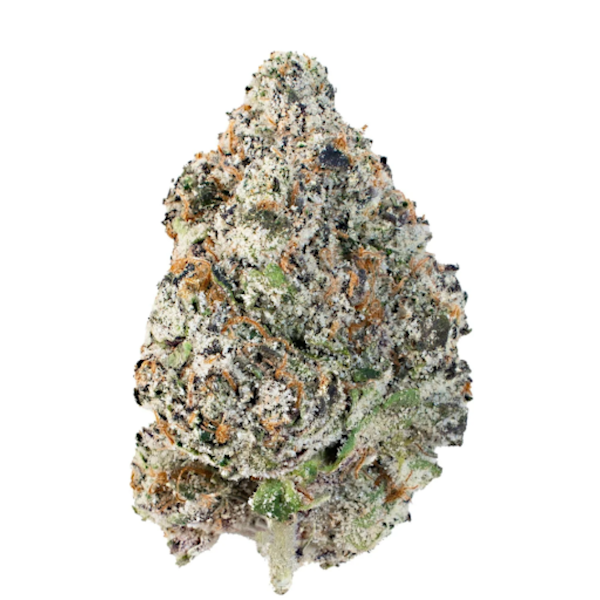
The word “exotic” gets thrown around so loosely in cannabis marketing that it’s almost lost meaning. Half the time, it just means “expensive.” The other half means “purple.” Neither is the actual definition.
So what makes weed exotic? Three things, and you need all three for a strain to genuinely qualify.
First, the genetics. True exotic cannabis strains come from rare, high-end breeding lines, often crosses or pheno-hunted selections that aren’t widely available in the seed market. We’re talking lineages with limited circulation, traceable parent strains, and breeders who care more about terpene expression than yield numbers. Generic Indica No. 7 from a bulk seed catalog isn’t exotic, no matter how it gets marketed.
Second, the cultivation environment. Most exotic strains of weed are grown indoors under controlled lighting, humidity, and feed schedules that let the genetics actually express themselves. Outdoor and bulk-grown flower can be excellent, but the terpene volatility and trichome density that define exotic flower are almost always tied to indoor cultivation with serious attention to environment.
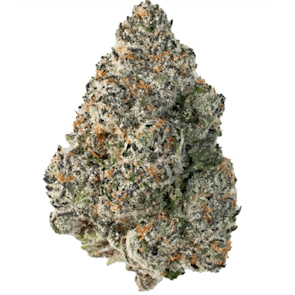
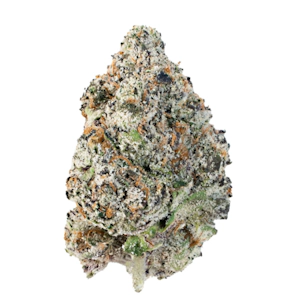
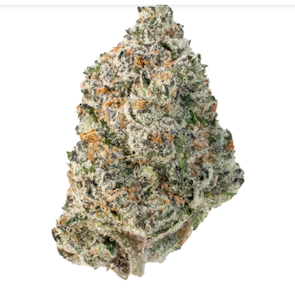
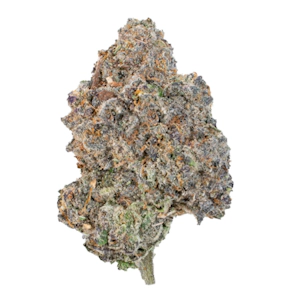
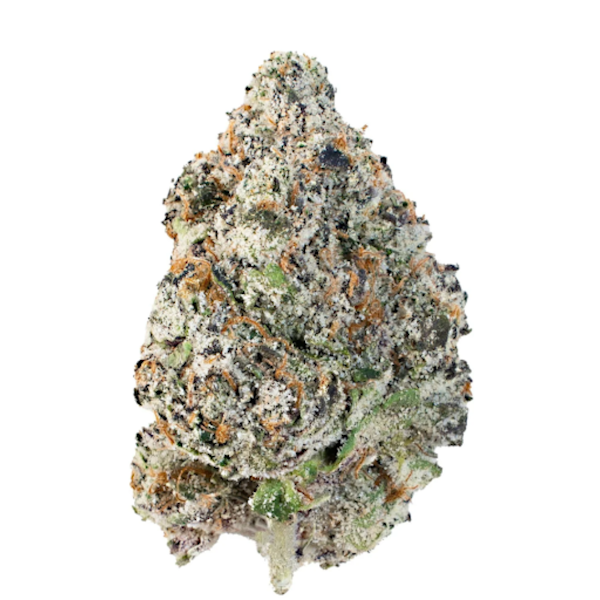
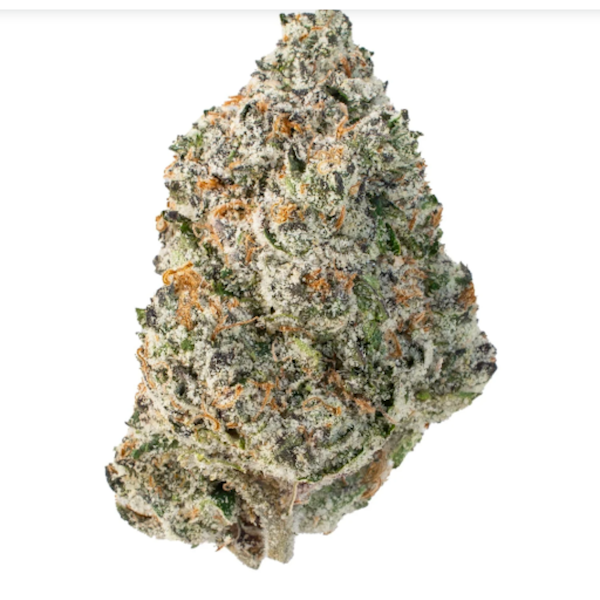
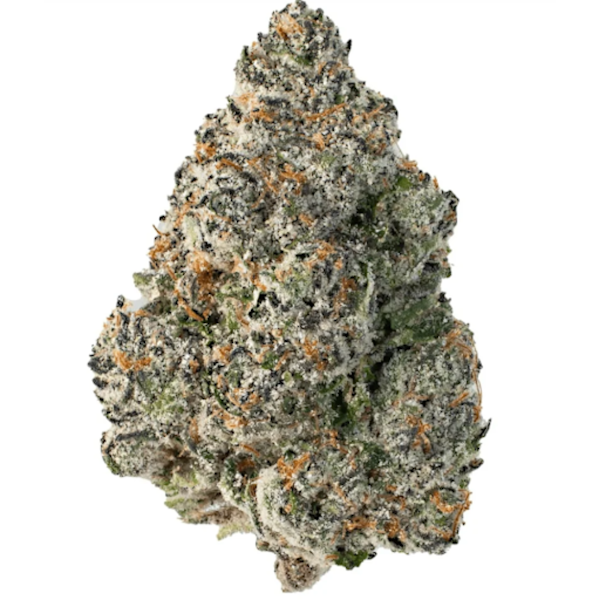
Third, the visible expression. Loud color (deep purples, frosted whites, electric oranges), heavy trichome coverage that gives buds a crystallized appearance, dense structure with intact pistils, and a terpene profile that hits you before you’ve even opened the jar. That bag appeal isn’t superficial. It’s the visible result of the first two factors lining up.
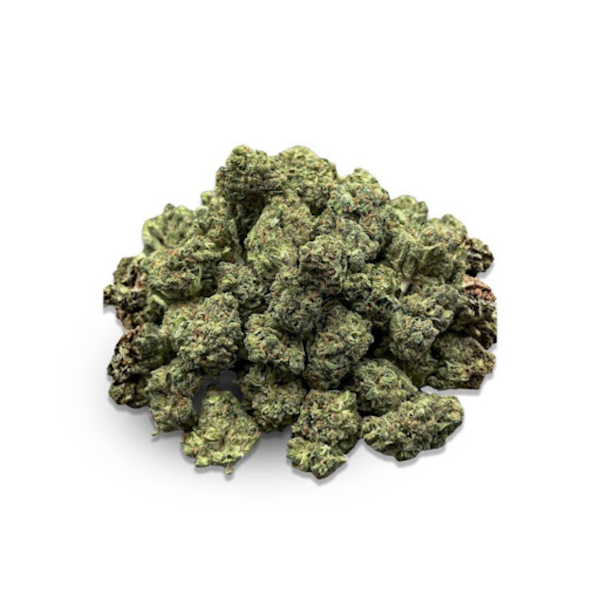
Chunky Academy’s catalog clears every one of those bars. The genetics trace back to elite lineages with documented parent strains. The cultivation is California indoor, run on tight environmental controls, with every batch lab-tested and Certificate of Analysis-verified. And the bag appeal speaks for itself: dense, frosted, terp-loud flower that looks the way exotic THCA flower is supposed to look.
That’s the difference between calling something exotic and the strain actually being exotic. Every Chunky Academy strain below is built on all three.