Cart vs Disposable: 5 Key Differences Every Vaper Should Know
I've used 510 carts almost exclusively for years. Here's the honest case for both, and where each one wins.
Rachel Abela
September 25, 2026
This article contains sponsored content. Some of the products featured are part of paid partnerships. This page explains how our process works.

herb
I've used 510 carts almost exclusively for years. Here's the honest case for both, and where each one wins.
September 25, 2026
The cart vs disposable question sounds small until you run the math on a year of vaping, and then it isn’t.
Both are portable, both are discreet, and both use similar oil. The difference is what you’re actually buying. With a cart, you buy oil. With a disposable, you buy oil and a battery, then throw away the battery.
That difference drives almost everything below: cost, control, waste, and how many strains you get to try.
Important: This article is for informational purposes only; not legal or medical advice. For adults 21+. Cannabinoid legality varies by state, and the federal hemp definition narrows in late 2026—verify your state’s laws and that the retailer ships to you before buying. Featured products are not FDA-evaluated and are not intended to diagnose, treat, cure, or prevent any disease.

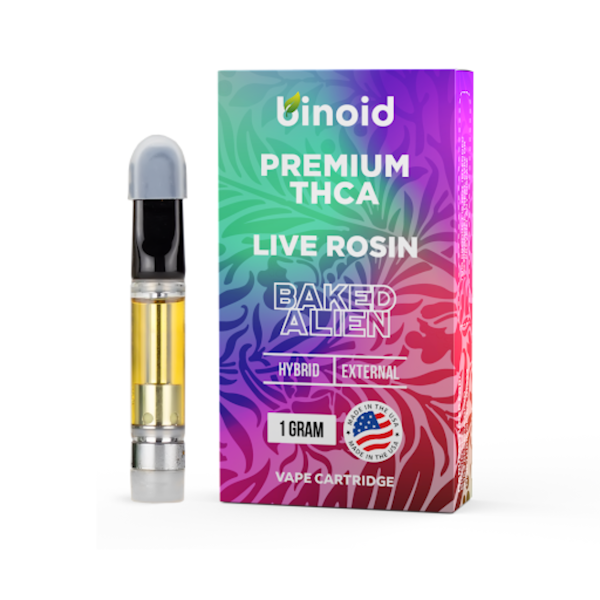
If you’re going the cart route, the Binoid THCA Live Rosin Vape Cartridge is where I’d start. It pairs THCA distillate with live rosin terpenes, which are solventless, and the flavor difference over botanical terps is clear from the first draw. Six strains, including Mango Tango, Cranberry Haze, and Blue Walker, at $30.99 down from $59.99 for a full gram.
Code HERB25 takes 25% off.
herb
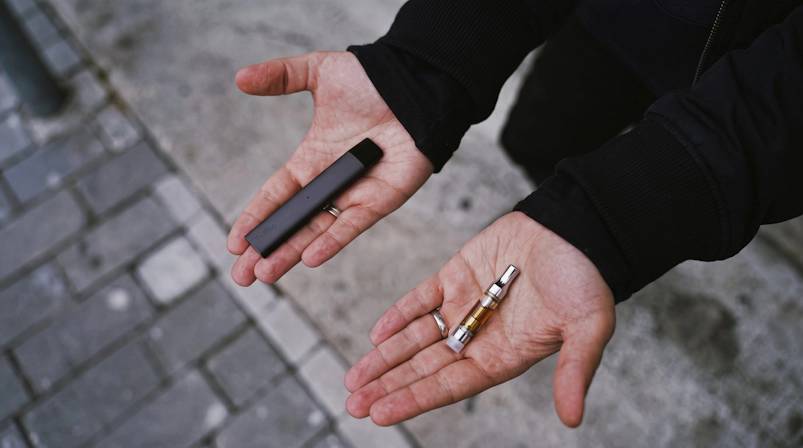
A cart is just the oil chamber, so you need a separate 510-thread battery to use it. A disposable has the battery built in and works out of the box. That’s the 510 cart vs disposable split in one line.
For convenience, disposables win. No setup, charging cable to find, or extra pieces to lose. The Binoid 1 Gram THCA Disposable is a solid starting point. It blends premium 99% THCA distillate with hash rosin terpenes for a full-spectrum buzz. Four strains in rotation, now at $31.99.
The tradeoff is a one-time purchase. A decent 510 battery runs $20 to $40, and after that, all you have to buy are cartridges.
What to look for in a 510 battery:
Every disposable you buy includes hardware you’re about to trash. So you’re essentially paying for a battery over and over. And in most cases, a 1g disposable is more expensive than a 1g cartridge.
One honest exception. Large-format disposables flip the math. Binoid’s Strain Series 7 Gram works out to roughly $9 a gram, beating any 1g cart outright. This particular disposable is available in 10 strains, each packed with strain-specific live terpenes for a true-to-strain experience.
I’ve written about what my daily consumption actually looks like, and it’s mostly live resin carts. At that rate, the savings compound.
Disposables still make sense for travel, festivals, occasional use, or trying a brand before committing to their hardware.

A cart on a variable-voltage battery lets you dial the temperature. Most disposables run one fixed voltage with no adjustment at all.
This matters more than it sounds, and it’s the biggest functional gap in the cart vs disposable comparison. Lower voltage preserves terpenes and gives you flavor. Higher voltage produces bigger, warmer clouds and burns through oil faster. With a good battery, you choose per session.
Roughly how it maps:
Finding the right battery is a whole hobby in itself. That’s part of the appeal for me. Carts turn into a system you tune rather than a thing you buy. If you’re new to vaping and just want it to work, you probably won’t notice the difference. That’s a fair reason to skip it.

herb
Every disposable puts a lithium battery in the bin. A cart puts a small plastic and metal chamber in the bin while the battery keeps going.
Per gram of oil consumed, that’s a big difference over a year.
Responsible disposal for both:
The market is shifting slightly. Rechargeable disposables are standard on larger devices now, so you at least finish the oil. Refillable options exist but stay uncommon.
This is the difference nobody mentions, and it’s the biggest one for me. Carts give you access to far more strains.
Brands I prefer run massive 510 lineups. The same brands often don’t make disposables at all, or only offer two or three flavors while the cart menu has more. That gap means a cart user can work through a dozen cultivars while a disposable buyer picks from a handful.
The Binoid THCA Live Rosin Vape Cartridge is a prime example. This small yet mighty beast is available in the following six strains: Baked Alien, Exotic Kush, Cranberry Haze, Mango Tango, Avatar OG, and Blue Walker. Each cartridge combines premium 99% THCA distillate with different live rosin cannabis terpenes for a flavorful, authentic strain experience.
One battery fits nearly every cart on the market too, so you’re never locked into one brand’s hardware. Our sativa vs indica breakdown and concentrates guide are good places to start.
Important: Legality varies by state, and a narrower federal hemp definition is scheduled to take effect in late 2026, so check current state and federal laws before buying.

herb
Carts win. But the honest answer to are carts better than disposables depends on how often you vape.
Quick recap of the THC carts vs disposables comparison:
So here’s my recommendation. Buy a decent 510 battery once and use carts as your default. Are disposables better than carts in any scenario? One: genuine grab-and-go convenience, like a weekend away or a festival where losing hardware is likely.
For everything else, the 510 cart vs disposable decision comes down to whether you want to keep buying batteries. I don’t.

herb
The cart vs dispo debate really comes down to one question: are you buying oil, or oil plus hardware?
Disposables are the better answer if you vape rarely, travel often, or want zero setup. On every other measure in the cart vs disposable matchup:
…carts take the win.
If you’re new, start with a mid-range variable-voltage battery and a live rosin cart. That combination shows you what this format can actually do. And if you’re weighing vaping against other formats entirely, we’ve covered carts vs flower and dry herb vapes vs carts separately.
Code HERB25 takes 25% off at Binoid.
A cart is an oil chamber that screws onto a reusable 510 battery. A disposable has the battery built in and gets discarded when empty. People asking are dispos and carts the same are close. The oil is often identical, but the hardware is not.
Carts, for most people. Weigh four things: cost over time, temperature control, hardware waste, and strain selection. Carts take all four. Disposables win only on pure convenience.
Not inherently. It comes down to the oil, and both can use distillate, live resin, live rosin, liquid diamonds, etc. Voltage also controls flavor and strength, and only carts offer it.
Often, yes. Cartridges only contain the oil you’re consuming, and they’re housed in simple hardware. Meanwhile, disposables are accompanied by batteries, which often makes manufacturing more expensive.
Frequently, yes. Many brands fill both formats from the same batch of distillate or live resin. So anyone wondering are disposable carts different in quality should look at the brand and the extract type, not the hardware.
A 1g cart and a 1g disposable hold the same oil and last about the same, typically days to two weeks. Larger 3g to 7g disposables last longer. Draw length matters more than format.
Usually not, and it isn’t recommended. Most are sealed, and forcing them open risks leaks and damaged coils. If refilling appeals, that’s an argument for carts. Our THCA FAQ covers more on the cannabinoid side.