Is THCA Flower Sprayed? The Truth About Sprayed, Infused & Natural Buds
Some THCA flower is sprayed. Some isn't. Here's how to read the COA, trust your senses, and know what's in the jar before you buy.
Melissa Jaramillo
September 03, 2026
This article contains sponsored content. Some of the products featured are part of paid partnerships. This page explains how our process works.

herb
Some THCA flower is sprayed. Some isn't. Here's how to read the COA, trust your senses, and know what's in the jar before you buy.
September 03, 2026
If you’ve spent five minutes on a hemp forum, someone has asked the same thing you’re asking: is THCA flower sprayed? Some of it is, and some of it isn’t.
“Sprayed” is a term that covers everything from cheap biomass coated in isolate to premium buds dusted with THCA diamonds. And those two things are entirely different.
So here’s what this guide covers: whether every bag on the market is sprayed, and what separates sprayed from infused from naturally grown. Plus, whether sprayed flower is a dealbreaker, and the specific signs that tell you which one you bought.
By the end, you should be able to look at a lab report and a nug and know what you’re holding.
Important: This article is for informational purposes only; not legal or medical advice. For adults 21+. Cannabinoid legality varies by state, and the federal hemp definition narrows in late 2026. Verify your state’s laws and that the retailer ships to you before buying any cannabinoid products. Featured products are not FDA-evaluated and are not intended to diagnose, treat, cure, or prevent any disease.

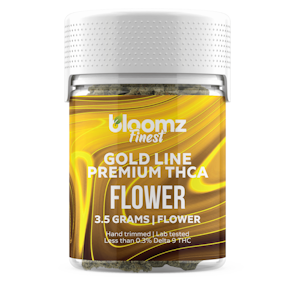
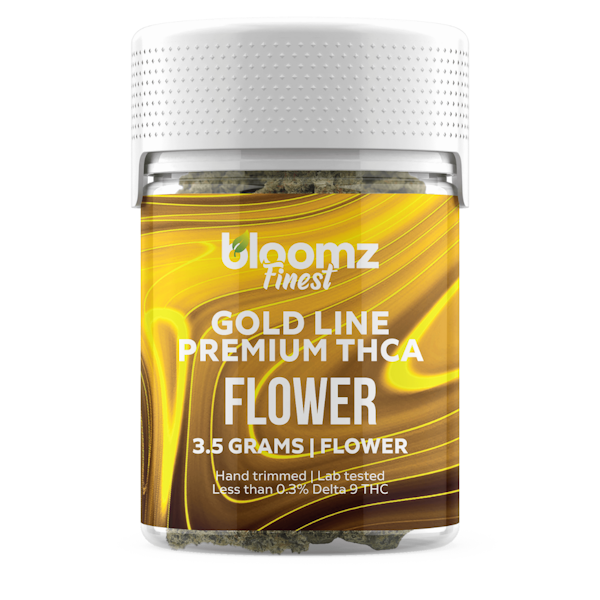
Trying to avoid sprayed or coated THCA flower? Bloomz THCA Flower – Gold Line keeps it simple: boutique indoor flower with no added THCA spray, coating, or infusion. Only small-batch AAA buds, tested up to 32% THCA.
Choose from 3.5g and 7g sizes and a long list of classic and exotic strains across indica, sativa, and hybrid options, like Sour Cheese, Black Truffle, Hash Burger, and more. Use code HERB25 for 25% off your order.

herb
No, not all THCA flower is sprayed. This is one of the most repeated myths in the hemp space, and it’s wrong.
There are two important categories of THCA flower to understand:
Typically, sprayed THCA flower is naturally grown THCA flower that is then sprayed, dusted, or coated with THCA distillate, like high-potency liquid THCA extracts. The purpose of spraying THCA flower is often to raise the flowers’ overall cannabinoid potency.
Growing high-potency flower naturally is the harder road. It takes:
That’s expensive and slow. Spraying flower is the shortcut.
Naturally grown flower builds its trichomes where the plant wants them. They’re dense on the calyxes and scattered across pistils and sugar leaves. Terpenes develop alongside cannabinoids, so the smell is layered and the flavor holds up. The bud structure stays intact.
Sprayed THCA flower has concentrate sitting on the outside, so:
That said, non-sprayed THCA flower isn’t automatically better. A poorly grown natural bud can be worse than a well-made infused one. What non-sprayed THCA flower does guarantee is that the potency on the label reflects the plant’s genetics rather than something added later.
Here’s the thing nobody tells you: “sprayed” and “infused” usually mean the same process. Both apply THCA concentrate to flower after harvest. “Infused” just sounds better on a label.
So what is THCA-infused flower, practically speaking? It’s a spectrum.
That last point also refers to the “Snow Caps” style you may have seen, where the crystals are visible and frosty.
In most cases, consider looking past the label. What really matters is:

herb
Sprayed or infused THCA flower isn’t automatically “bad,” but adding substances to flower after harvest can introduce additional risks to consider.
Potential concerns of THCA flower include:
One particularly important potential concern is synthetic cannabinoids. Substances such as K2 or Spice are not THCA and should not be confused with legitimate cannabinoid-infused flower.
The CDC warns that synthetic cannabinoids are sometimes sprayed onto dried plant material and can cause severe and unpredictable health effects.
What Should You Look For Before Buying?
If you’re considering sprayed, infused, or coated THCA flower, look for:
A COA is useful, but “lab tested” alone doesn’t tell you everything. Check what the laboratory actually tested for. Cannabis testing panels can include cannabinoids, residual solvents, pesticides, heavy metals, microbial contaminants, and other substances.

HERB
There isn’t a foolproof at-home test that can tell you whether THCA flower has been sprayed or infused. However, the product label, COA, and the flower itself can provide clues.
Here are five things to check to tell whether THCA flower has been sprayed:
1.Label and ingredient list
Start with the simplest check: the label. Look for terms such as infused, coated, enhanced, THCA isolate, THCA diamonds, or added cannabinoids. These indicate the flower has been enhanced post-harvest.
2. Check the COA and make sure it matches your batch
Scan the QR code or lab report and confirm that the batch or lot number matches the product you bought. Look for THCA and other cannabinoid concentrations, contaminant testing, and the laboratory name and testing date. Read Herb’s full article on How to Read a COA (Certificate of Analysis) Without a Science Degree.
A COA can help confirm what’s in the flower, but it won’t always tell you whether those cannabinoids developed naturally or were added later.
3. Look for cannabinoids that don’t match the product description
Pay attention to the entire cannabinoid profile rather than THCA alone. Unexpected amounts of added or converted cannabinoids can suggest the flower has been enhanced or sprayed.
4. Inspect the trichomes closely
Natural cannabis trichomes are part of the plant itself. Under magnification, many glandular trichomes have a small stalk topped by a rounded resin-producing head. Sprayed THCA flower may instead appear as loose crystalline powder that rubs off easily onto your fingers. Keep in mind that natural cannabis flower can also look extremely frosty, so appearance alone isn’t enough to prove THCA flower was sprayed.
5. Pay attention to unusual smell or flavor
Spraying or infusing flower can introduce added terpenes, flavoring agents, cannabinoid concentrates, or other ingredients that alter the bud’s natural aroma and taste. A noticeably chemical, artificial, or unusually strong flavor may therefore be a clue that something was added after harvest. Like other indicators above, smell and taste alone can’t confirm THCA flower was sprayed. Natural flower varies widely in aroma, while aging, storage, drying, and curing can all weaken or change its terpene profile.
The easiest way to avoid mystery flower is buying from brands that grow it properly and publish full-panel lab results. These Bloomz options are prime examples.
Bloomz built its Gold Line THCA flower around a simple idea: pick the best batches, don’t overproduce them, and let the jar do the talking. Everything is boutique indoor and small-batch, with a strain list deep enough that you can chase a specific profile. It’s the kind of catalog that only works if the grow is dialed in.
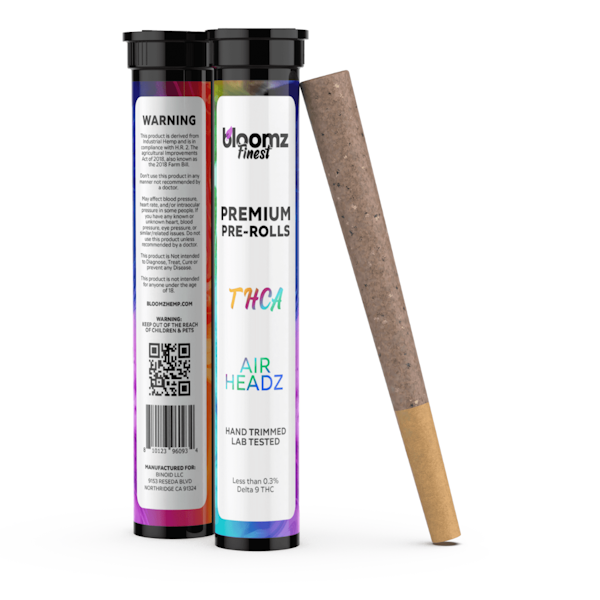
Same indoor flower, none of the work. Bloomz THCA pre-rolls are packed with the brand’s own indoor hemp flower at a full gram each. Three-packs come in a single strain, and the six-pack ships with a seventh joint on the house. Want to mix strains? Just leave a note on your order.
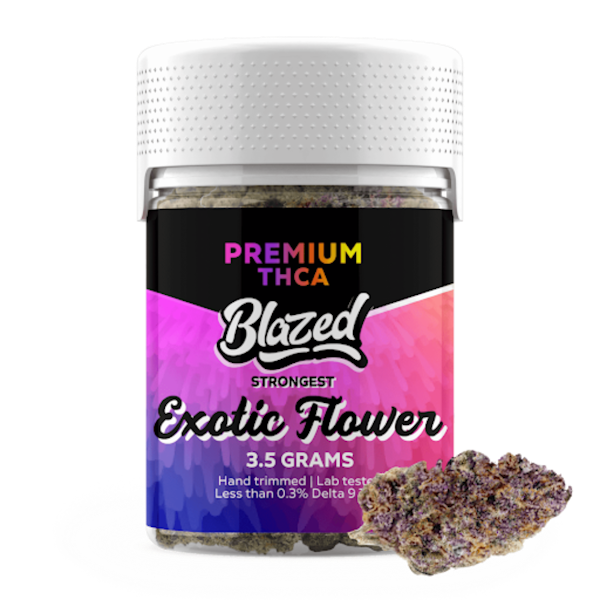
Blazed Exotic is the rare-genetics end of the shelf. The strain list is short on purpose. These are small batches of cultivars you won’t see stocked everywhere, and batches sit at 30% and up. If you’ve been hunting something outside the usual rotation, this is the one to look at.
Use code HERB25 for 25% off Bloomz.

herb
So, is THCA flower sprayed? Some of it, yes. Plenty of it isn’t. And “sprayed” is not a synonym for “bad.” Premium infused flower is a legitimate category with a real following.
What actually separates a good buy from a bad one is disclosure and testing. Read the COA before you read the marketing. Trust your nose and your fingers. Buy from brands that publish full-panel results and tell you exactly what’s in the jar.
One more reason to shop carefully: the federal hemp definition changes in late 2026, and state rules already vary widely. Knowing what you’re buying and confirming it’s legal where you live matters more now than it did a year ago.
Sprayed THCA flower is cannabis or hemp flower that has been enhanced after harvest by spraying a cannabinoid-containing solution or concentrate onto the buds, typically to increase their cannabinoid content or potency.
No. Cannabis can naturally produce high concentrations of THCA without anything being sprayed onto the flower. Some manufacturers do enhance flower after harvest by applying cannabinoid concentrates, but this is a separate production method—not how all THCA flower is made.
Yes, THCA occurs naturally in cannabis. The plant produces THCA primarily in the glandular trichomes found on its flowers and leaves. Some THCA flower gets its cannabinoid content entirely through cultivation, while other products are enhanced with additional THCA or other cannabinoids after harvest.
THCA-infused flower has additional THCA concentrate applied after harvest. It may be sprayed, coated, dusted with isolate, or covered with crystalline THCA.
Check the label, ingredient list, COA, and product description for terms such as infused, coated, enhanced, or added cannabinoids. Visible powder or an unusual coating can be a clue, but appearance, smell, and taste alone cannot confirm spraying.
Not necessarily. Quality depends on the flower itself, how it was produced, and the quality and transparency of any ingredients added after harvest.
Not necessarily. A COA can show cannabinoid concentrations and tested contaminants, but it usually cannot tell you whether the THCA developed naturally or was added after harvest.
Look for brands that grow indoors in small batches and publish full-panel COAs. Bloomz’s Gold Line and Blazed Exotic lines are trusted examples of lab-tested options. Whoever you buy from, confirm they ship to your state before ordering.