How to Buy Weed in Tokyo: Japan’s Harshest Cannabis Laws & Why You Should Never Try |
06.28.2026Japan enforces zero-tolerance cannabis laws, and a 2024 amendment now penalizes use itself. Here is why even attempting to buy weed in Tokyo carries serious criminal risk.
Let us be direct: there is no safe way to buy weed in Tokyo. Japan maintains some of the world’s strictest drug laws, and unlawful cannabis conduct can carry multi-year imprisonment. While cannabis culture thrives in legal markets worldwide, and platforms like Herb help people explore strains, products, and dispensaries, Japan remains firmly closed to any cannabis activity. This guide explains exactly why you should never attempt to acquire cannabis in Tokyo and what happens to those who try.
Japan’s Cannabis Control Act has governed marijuana prohibition since 1948, but recent amendments changed enforcement significantly. Previously, a legal gap meant only possession-related conduct was criminal, and use itself was not technically an offense. That changed on December 12, 2024, when the first-stage amendments took effect and applied narcotics-law prohibitions and penalties to unlawful cannabis use. A second stage involving cultivation regulation took effect on March 1, 2025.
The current framework prohibits possession-related conduct, use, import, export, cultivation, and manufacturing, with penalties that vary by statute and conduct.
The Ministry of Health, Labour and Welfare enforces these laws through regional Narcotics Control Departments, with the Tokyo office at Kudan Joint Government Office Building No. 3, 1-2-1 Kudanminami, Chiyoda-ku, Tokyo 102-8309. Unlike Western countries where minor possession might result in fines or diversion programs, Japan treats cannabis offenses as serious crimes warranting prosecution.
Penalties in Japan vary by statute and by the specific conduct involved. In general, unlawful cannabis possession-related conduct can carry multi-year imprisonment, while import, export, cultivation, manufacturing, and profit-motivated conduct carry heavier penalties.
| Conduct | General penalty range |
|---|---|
Carrying, receiving, or transferring cannabis | Up to 5 years' imprisonment |
Profit-motivated carrying, receiving, or transferring | Up to 7 years, with a possible fine |
Cultivation, import, or export | Up to 7 years' imprisonment |
Profit-motivated cultivation, import, or export | Up to 10 years, with a possible fine |
Cannabis-derived products over Japan's THC residue limits | May be treated as narcotics under the Narcotics and Psychotropics Control Act |
Japan’s conviction rate for indicted cases is very high, around 99%, in part because prosecutors have discretion and typically indict cases they believe can be proven. If you are arrested and indicted, conviction is likely.
What happens after arrest:
Consequences for foreign nationals:
The Japanese legal system does not recognize “ignorance of the law” as a defense. Claiming you did not know cannabis was illegal, or that you thought small amounts were tolerated, provides no protection.
Japan’s strict stance reflects cultural values shaped by post-war history and social priorities. Understanding this context helps explain why reform remains unlikely despite global trends.
Historical factors:
Modern social attitudes:
Cannabis offense arrests reached a record high in 2023 and surpassed stimulant-drug arrests for the first time, according to Japan’s National Police Agency. Authorities have generally treated this trend as a reason to maintain strict enforcement rather than to reconsider policy.
Some travelers assume underground markets exist and that careful navigation might yield access. This thinking misunderstands Japanese law enforcement and cultural realities.
Why “finding a dealer” fails:
Areas where travelers should expect a strong police presence:
| District | Why it draws attention |
|---|---|
Roppongi | Busy international nightlife district |
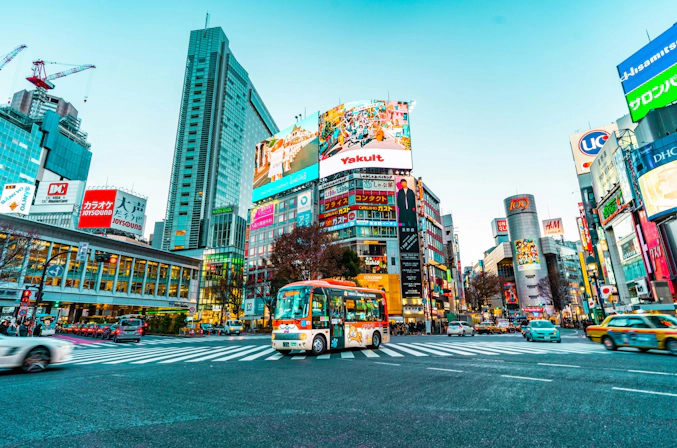
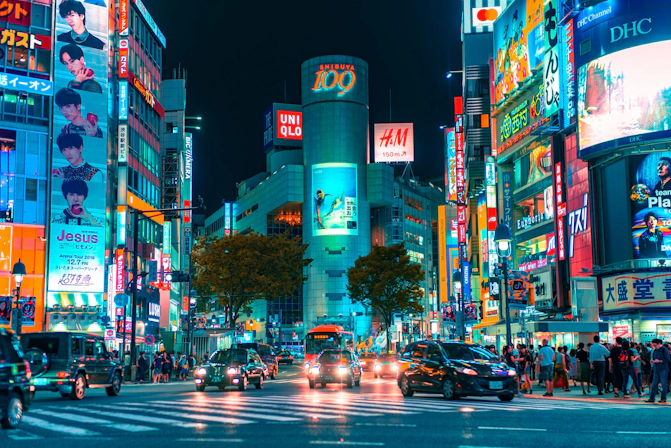
Shibuya | High-traffic youth and entertainment area |
Shinjuku (Kabukicho) | Major nightlife and red-light district |
Narita and Haneda Airports | International entry points with customs screening |
Harajuku | Popular tourist area |
The fundamental reality: Japan has no cannabis “scene” to access, and the underground infrastructure that exists in some other prohibition countries is not present here. Attempting to find cannabis marks you immediately as someone to avoid or report.
Your interaction with Japanese drug enforcement can begin at the airport. Japanese customs at Narita and Haneda warns against importing cannabis and cannabis products, and regulated cannabis products require MHLW import permission.
At entry, expect that:
A note on prior use:
Do not bring cannabis or cannabis products into Japan, and avoid arriving with any cannabis-related products or residue. Japan now penalizes unlawful cannabis use, so travelers should seek legal advice rather than assume that prior lawful use abroad is risk-free.
Items to leave at home:
Japan permits CBD products, but with very strict THC limits. Products legal in the United States, Canada, or Europe often exceed Japanese thresholds and may be classified as narcotics on entry.
Japan’s Δ9-THC residue limits:
For comparison, US CBD products can contain up to 0.3% THC, far above Japan’s oil limit. European products also frequently exceed Japanese standards.
Buying CBD in Japan:
Some retailers in Japan sell CBD products, but legality depends on the specific product’s Δ9-THC content and documentation. Verify current certificates and lab reports before purchasing. Before buying, confirm:
Higher-risk products to avoid:
Beyond criminal penalties, attempting to acquire cannabis in Japan creates cascading risks.
Personal safety considerations:
Long-term consequences:
If you are arrested, immediate steps:
The embassy can visit you when permitted, provide English-speaking lawyer lists, and notify family, but it cannot pay legal fees, act as your attorney, or secure your release.
If you are passionate about cannabis culture, Japan is not the place to explore it. Many legal markets worldwide offer rich experiences for those willing to travel responsibly.
Legal cannabis destinations worth considering:
A note of caution: Thailand’s cannabis rules changed in 2025 and are now much more restrictive, so it should not be treated as a recreational cannabis destination. These destinations offer the experiences Japan does not: quality strains, tested products, knowledgeable staff, and no risk of imprisonment.
For those interested in learning about cannabis while respecting local laws, extensive educational resources cover everything from strain genetics to consumption methods. Knowledge travels with you regardless of destination.
Japan offers extraordinary experiences: ancient temples, cutting-edge technology, incredible cuisine, and unique cultural traditions. Do not let cannabis interest overshadow what the country genuinely offers.
Practical preparation:
Respecting local customs:
A legal alternative:
Japan has a vibrant, legal drinking culture. Izakayas, sake bars, and craft beer venues offer social experiences without legal risk. The legal drinking age is 20, and the quality options are excellent.
While this article emphasizes what you cannot do in Japan, Herb exists to help cannabis enthusiasts thrive in legal markets worldwide. The platform offers resources that make cannabis exploration safer, smarter, and more enjoyable.
What Herb offers:
When you are in a legal jurisdiction, or planning travel to one, Herb provides the tools to find quality dispensaries, understand what you are buying, and connect with a community that shares your interests. Rather than risking imprisonment in Tokyo, use Herb to plan experiences in places where cannabis culture exists legally.
Tokyo is an extraordinary destination, but cannabis access is not part of what it offers. Here is how the decision breaks down for cannabis-conscious travelers:
The honest answer to “how to buy weed in Tokyo” is that you cannot do so legally, and the consequences of trying are serious. For destinations where cannabis access is legal, Herb’s guides section has the full picture.
Foreign medical cannabis prescriptions do not authorize travelers to possess, import, or use cannabis in Japan, regardless of your home country’s laws or your condition. Japan’s amended law does create a limited framework for approved cannabis-derived medicines and clinical research, including procedures referenced for certain refractory epilepsy patients, but that does not create a general medical-marijuana exception for visitors. No general prescription pathway is available to travelers.
Only if they meet Japan’s strict Δ9-THC residue limits: 10 ppm for oils liquid at room temperature and powders, 0.10 ppm for aqueous solutions, and 1 ppm for other products. Most Western CBD products exceed these thresholds. Unless you have Japan-specific lab testing proving compliance, leave CBD products at home. If buying in Japan, verify each product’s certificates and lab reports, because legality depends on the specific product.
Penalties vary by statute and conduct. Under the Cannabis Control Act, carrying, receiving, or transferring cannabis can bring up to 5 years’ imprisonment, with up to 7 years for profit-motivated conduct. Cultivation, import, or export can bring up to 7 years, and profit-motivated cultivation, import, or export can reach up to 10 years, with possible fines. Cannabis-derived products over Japan’s THC residue limits may be treated as narcotics under a separate statute.
Yes. Japanese law enforcement makes no distinction between citizens and tourists for drug violations. Busy nightlife and transit areas see active policing, and travelers should expect that the law applies fully to them. Ignorance of the law is not a defense, and tourist status offers no special protection from criminal process.
Decline immediately and leave the situation. The person offering may be an undercover officer or informant. Do not engage further, do not ask about availability, and do not exchange contact information. Saying “no thank you” and walking away protects you. Report the incident to hotel staff or local police only if you feel genuinely threatened. Otherwise, simply avoid the person.
This article is for informational purposes only and does not constitute legal advice. Cannabis laws vary by jurisdiction and are subject to change. Always verify current regulations with official sources before traveling. Herb does not encourage the purchase or use of cannabis in jurisdictions where it is illegal.
Herb Recommended Products:
READ MORE