Morocco holds a mythical status in cannabis culture. The legendary source of some of the world’s finest hashish, produced for centuries in the misty Rif Mountains. But here’s the reality check every traveler needs before wandering into Jemaa el-Fnaa Square: recreational cannabis remains completely illegal in Morocco. Whether you’re planning your first trip or researchingcannabis culture worldwide, understanding the gap between Morocco’s hash reputation and its actual laws could save you from serious legal consequences.
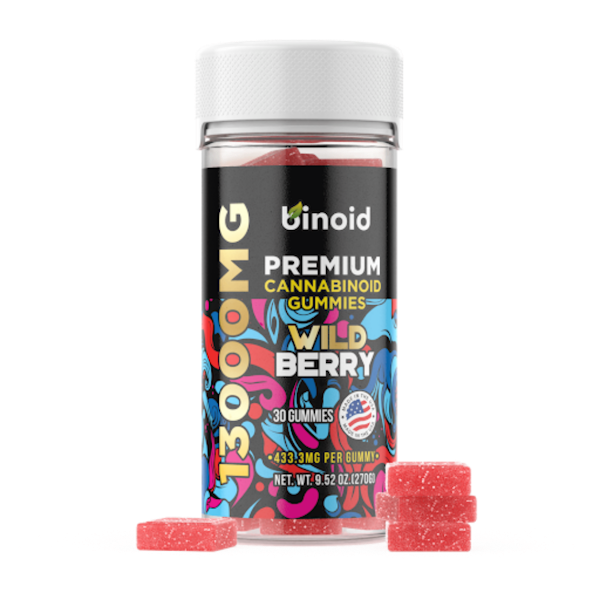
Binoid’s 13,000mg Gummies are not a starter product, and the brand says so outright. Each piece carries 433.33mg of cannabinoids, with 30 per bottle, built for tolerances that have outgrown everything else on the shelf. Eight flavors, from Galaxy Pop to Tropical Sunshine, all vegan, gluten-free, and made in the USA. Start with a quarter gummy and wait two hours before considering more.
Important: Legality varies by state, and a narrower federal hemp definition is scheduled to take effect in late 2026; verify state laws before purchasing.
Recreational cannabis possession and purchase remain illegal in Morocco under the1974 Dahir drug law
Illegal drug use carries aprison term of 2 months to 1 year and a 500-5,000 dirham fine; illicit possession, transport, or trafficking can carry 5 to 10 years and fines up to 500,000 dirhams
Morocco’s 2021 Law 13-21 created a licensing framework for cannabis cultivation and processing for medical, pharmaceutical, and industrial purposes only, not tourist consumption
Estimates vary, but government-linked figures put cannabis-farming dependence in northern Morocco at roughly60,000 families, or about 400,000 people, while illegal cultivation still spans an estimated 50,000-70,000 hectares
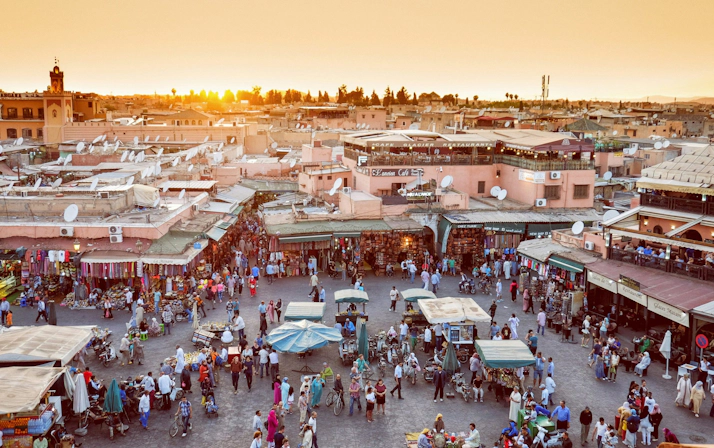
Jemaa el-Fnaa and the surrounding medina are high-traffic tourist areas where travelers may encounter scams, bogus guides, and drug offers
Morocco offers extraordinary legal experiences including palaces, gardens, traditional hammams, Atlas Mountain excursions, and Sahara Desert tours
Marrakech Travel: Understanding Morocco's Cannabis Laws for Tourists
frida aguilar estrada
Is Cannabis Legal in Morocco?
The short answer: no, not for recreational use. Despite Morocco’s global reputation as a hashish producer, the country maintains strict drug laws that apply equally to tourists and locals.
Penalties for tourists: Illegal use carries 2 months to 1 year imprisonment and a 500-5,000 dirham fine; illicit possession, transport, import, or trafficking can carry 5 to 10 years and fines of 5,000 to 500,000 dirhams, depending on the offense
2021 Law 13-21: Created a licensing framework for cannabis cultivation, processing, and sale for medical, pharmaceutical, and industrial purposes
What tourists can legally do: Nothing involving recreational hashish purchase or consumption
Risks of Buying Cannabis as a Tourist
Many travelers assume Morocco’s widespread cannabis availability equals tolerance for tourist purchases. This assumption creates dangerous legal exposure. Police patrol tourist areas, and some reports suggest tourists make easier targets for enforcement than locals with community connections.
The legal risks include:
Arrest and detention in Moroccan facilities
Fines that must be paid before departure
Potential prison sentences ranging from months to years, depending on the offense
A drug conviction on your travel record affecting future international travel
Limited consular assistance (embassies can provide lawyer referrals but cannot intervene in criminal proceedings)
What to Know Before You Go
Morocco’s 2021 cannabis reform generated significant international headlines, leading many tourists to incorrectly believe recreational use became legal. The law permits licensed cultivation only in designated northern provinces, specifically Al Hoceima, Chefchaouen, and Taounate. Growers must be Moroccan citizens belonging to authorized cooperatives supervised byANRAC (the National Agency for the Regulation of Cannabis-related Activities).
The scale of legal versus illegal production tells the real story.Licensed cultivation grew from under 300 hectares in 2023 to roughly 2,700 hectares in 2024 for medical and industrial purposes. Meanwhile, illegal cultivation still spans an estimated 50,000-70,000 hectares, dwarfing the legal market.
The Tourist Trap: Avoiding Scams and Unsafe Cannabis Deals in Marrakech
raul cacho oses
Identifying Common Scams
Jemaa el-Fnaa Square is a common site for hash offers in Marrakech. Expect approaches within minutes of entering the area at certain times of day. Understanding common tactics helps you avoid both legal trouble and financial losses.
The Direct Approach
Men approach casually asking “Do you smoke hash?” or offering hashish without prompting. This is reported to happen frequently throughout the day and evening. Engaging in any way, even with jokes or curiosity, often invites persistence.
The “Friendly Guide” Scam
Well-spoken locals offer “free” directions through the labyrinthine medina. After the walkabout, they demand tips of 100-500 dirhams ($10-$50 USD) or guide you to commission-based shops, sometimes hash dealers operating in more secluded areas.
Reported Enforcement Encounters
Some travelers report shakedowns or suspicious enforcement encounters connected to street-level hash offers, but these accounts are difficult to independently verify. The safest approach is to avoid all cannabis transactions entirely rather than try to judge which encounters are genuine police activity.
Staying Safe While Exploring Marrakech
Your best protection involves simple, consistent responses:
Offer a firm “No” without stopping or making eye contact
Never follow anyone to a “better location” for purchasing
Avoid showing interest, even academic curiosity
Keep walking; engagement of any kind invites persistence
Travel main routes rather than isolated alleys, especially after dark
Product quality: No testing, regulation, or quality standards exist for street sales
Financial exploitation: Tourists routinely pay well above fair market value
Safety concerns: Being led to isolated areas increases robbery risk
Travel record impact: Drug arrests in Morocco can affect visa applications and future travel to other countries
Marrakech Travel Itinerary: Exploring the City Beyond Cannabis
annie spratt
Morocco offers extraordinary experiences that don’t require legal risk. Marrakech alone provides weeks of exploration through its rich history, architecture, and culture.
Top Attractions in Marrakech
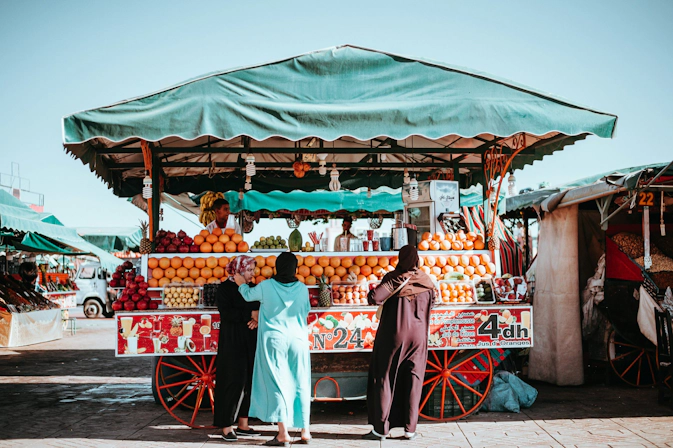
Jemaa el-Fnaa: Experience the square’s legitimate attractions (food stalls, musicians, storytellers) while declining hash offers
Jardin Majorelle: The iconic blue garden created by French painter Jacques Majorelle
Medina Markets: Leather goods, spices, ceramics, and textiles in traditional souks
Ben Youssef Madrasa: Historic Islamic college with intricate tilework and carved stucco
Cultural Immersion Opportunities
Skip the illegal hash purchases and invest in experiences that connect you authentically with Moroccan culture:
Traditional hammam (bathhouse) experiences
Moroccan cooking classes featuring tagine and couscous preparation
Artisan workshops demonstrating metalwork, weaving, or pottery
Day trips to the Atlas Mountains for hiking and Berber village visits
Sunset camel rides in the Agafay Desert
From Marrakech to Casablanca: Navigating Morocco's Diverse Landscapes
Best Ways to Travel Between Cities
Morocco’s transportation infrastructure makes exploring multiple cities straightforward:
Train travel: ONCF rail connects Marrakech to Casablanca in about 3-3.5 hours
Bus routes: CTM and Supratours offer comfortable long-distance service
Shared taxis: Grand taxis provide affordable intercity transport
Rental cars: Ideal for Atlas Mountain and desert exploration with proper insurance
Must-See Destinations in Morocco
Casablanca: Morocco’s largest city featuring the massive Hassan II Mosque
Fes: The world’s largest car-free urban area with ancient medina walls
Essaouira: Coastal city with Portuguese fortifications and excellent seafood
Sahara Desert: Multi-day tours from Marrakech to Merzouga’s dramatic dunes
Morocco Tourism Places: The Rif Mountains and Beyond
elizabeth gottwald
The Lure of the Blue City
Chefchaouen, the famous blue-painted mountain town, sits at the heart of Morocco’s traditional cannabis cultivation region. The area attracts tourists partly due to its hashish association, though the same laws apply here as everywhere in Morocco.
The Rif Mountains region offers legitimate attractions:
Akchour Waterfalls: Stunning cascades accessible via hiking trails
Mountain trekking: Scenic routes through Berber villages
Local culture: Traditional Berber hospitality and craftsmanship
Natural beauty: Some of Morocco’s most dramatic landscapes
Connecting with Local Communities
Responsible tourism in these regions means respecting local customs while understanding the economic complexity behind them. Government-linked estimates put cannabis-farming dependence at roughly 60,000 families, or about 400,000 people, a reality that doesn’t change the legal status for tourists.
Morocco Tourism Safety: Essential Tips for a Secure Trip
rodolfo cuadro
Managing Your Belongings
Marrakech’s medina presents moderate pickpocketing risk, particularly in crowded areas and after dark:
Use money belts or inside pockets for passport and primary cash
Keep bags zipped and positioned in front of your body
Leave extra cards, cash, and valuables locked at your accommodation
Use ATMs attached to banks during daytime hours
Health and Wellness Abroad
Standard travel precautions apply:
Drink bottled water exclusively
Eat at busy restaurants with high turnover
Carry basic medications from home
Confirm travel insurance covers Morocco before departure
Cultural Sensitivity and Respect
Morocco’s Muslim culture requires awareness:
Dress modestly, particularly at religious sites
Ask permission before photographing people
Understand that Friday remains the holy day
Learn basic Arabic greetings (locals appreciate the effort)
When You’re Back Home in a Legal State: 13,000mg Gummies by Binoid
Cannabis is illegal in Morocco, so nothing in your bag should contain THC. Save it for when you’re home. Binoid’s 13,000mg Gummies sit at the far end of the potency scale with 433.33mg per gummy across 30 gummies, and they’re intended for high-tolerance users only. Take a quarter to half and give it two full hours. As the name suggests, good luck.
Important: Legality varies by state, and a narrower federal hemp definition is scheduled to take effect in late 2026; verify state laws before purchasing.
Morocco's Cannabis Culture: Dispelling Myths and Understanding Realities
jr harris
Evolution of Cannabis in MoroccoEvolution of Cannabis in Morocco
Morocco has produced hashish for centuries, with the Rif Mountains developing into one of the world’s primary production regions. This history created the “hash capital” reputation that draws cannabis-curious tourists today.
The 2021 legal reform represented Morocco’s attempt to transition traditional cultivation into regulated medical and industrial channels. The number of licensed farmers has grown since the 2021 reform, though illegal production still dominates the market by volume.
Local Attitudes Towards Consumption
Cannabis occupies a complex cultural position in Morocco. While widespread, consumption carries social stigma in many communities. Tourists assuming universal acceptance often misread situations, potentially offending hosts or creating uncomfortable encounters.
Navigating Cultural Sensitivities
The respectful approach involves:
Acknowledging Morocco’s cannabis heritage without assuming you can participate in it legally
Understanding that local tolerance doesn’t equal legal permission
Recognizing that your tourist dollars matter more spent on legitimate businesses than illegal transactions
How-Tos for Responsible Travel: Experiencing Morocco Ethically and Safely
rigel
Planning a Conscious Trip
Responsible Morocco travel means supporting the legitimate economy while staying within legal boundaries:
Book accommodations through established riads and hotels
Hire licensed guides for tours and excursions
Purchase artisan goods directly from craftspeople when possible
Eat at locally-owned restaurants rather than international chains
Bargaining respectfully in souks; it’s expected and enjoyed
Learning a few phrases of Darija (Moroccan Arabic) or French
Showing genuine interest in culture, food, and traditions
Why Herb Helps You Make Informed Cannabis Decisions
evgeny matveev
Understanding cannabis laws worldwide, including where you absolutely cannot legally purchase, represents essential knowledge for responsible consumers.Herb provides comprehensive resources that help you make informed decisions whether you’re exploring legaldispensaries at home or researching international cannabis policies.
Herb’s platform offers:
Strain Guides: Detailed profiles ofcannabis strains with effects, flavors, and genetics
For readers planning travel to Morocco or anywhere else, Herb’s educational resources help you understand which destinations offer legal cannabis tourism and which, like Morocco, require you to appreciate the culture without participating in illegal markets.
Final Verdict
Morocco’s hash reputation is centuries in the making, but that heritage doesn’t translate into legal access for visitors. Here’s how the decision breaks down:
Hoping to try Morocco’s famous hash? There’s no legal way to do so as a tourist. Recreational possession and purchase are illegal nationwide, and the penalties scale up quickly if authorities view an amount as more than simple use.
Approached in Jemaa el-Fnaa or the medina? A firm “no” and continuing to walk is the simplest, safest response. Don’t engage out of curiosity, and don’t follow anyone to a “better spot.”
Curious about the legal cannabis industry instead? Law 13-21 and ANRAC have built a real, if still-developing, medical and industrial framework, worth knowing about even though it doesn’t extend to tourist purchases.
Drawn to Chefchaouen or the Rif Mountains for the hashish association? Go for the waterfalls, the trekking, and the blue city itself. The same laws apply there as anywhere else in Morocco.
Mainly here for the culture? Morocco’s palaces, gardens, hammams, souks, and desert excursions offer more reliable rewards than navigating an illegal market and its risks.
The honest answer to “how to buy weed in Marrakech” is that you can’t, legally, and the unofficial route carries real legal and safety risk. Morocco has plenty else to offer travelers willing to leave the hash reputation as history rather than an itinerary item.
Frequently Asked Questions
Is it legal to buy or consume cannabis in Marrakech?
No. Recreational cannabis remains illegal throughout Morocco, including Marrakech. Law 13-21 created a licensing framework for cannabis cultivation and processing for medical, pharmaceutical, and industrial purposes, not tourist consumption. Illegal drug use carries a penalty of 2 months to 1 year in prison and a 500-5,000 dirham fine, while illicit possession, transport, or trafficking can carry much heavier penalties, up to 5 to 10 years and fines as high as 500,000 dirhams. These laws apply equally to tourists and locals, with no informal tolerance policy despite widespread availability.
What are the risks of a tourist trying to buy hashish in Morocco?
Tourists purchasing hashish face legal penalties including arrest, fines, and imprisonment. Beyond legal consequences, common risks include overpriced or fake products, reported enforcement encounters that are difficult to verify, being led to isolated areas for robbery, and creating a drug conviction record that affects future international travel. Consular assistance is limited in drug cases; embassies can provide lawyer referrals but cannot intervene in criminal proceedings or secure your release.
How can I ensure my trip to Marrakech is safe and enjoyable without illegal activities?
Focus on Morocco’s legitimate attractions: explore Jemaa el-Fnaa’s food stalls and performances, visit palaces and gardens, wander the medina markets, take cooking classes, experience traditional hammams, and arrange day trips to the Atlas Mountains or desert. When approached by hash dealers, offer a firm “No” and keep walking without engagement. Stay in well-reviewed accommodations, use licensed guides for excursions, and follow standard travel safety practices.
What are some popular legal attractions and experiences in Marrakech?
Top experiences include the Bahia Palace, Jardin Majorelle, Ben Youssef Madrasa, the Saadian Tombs, and the extensive souk markets. Cultural activities like hammam visits, cooking classes, and artisan workshops provide authentic engagement. Day trips to Essaouira’s coastal medina, the Atlas Mountains for hiking, or the Agafay Desert for camel rides expand your itinerary without legal risk.
Are there any specific cultural norms regarding cannabis that tourists should be aware of?
While cannabis production has deep roots in Moroccan culture, particularly in the northern Rif Mountains, open consumption carries social stigma in many communities. Morocco remains a Muslim-majority country with conservative values in many areas. Assuming universal acceptance of cannabis use can create uncomfortable situations or offend hosts. The respectful approach acknowledges Morocco’s hashish heritage without assuming you can legally participate in it.
This article is for informational purposes only and does not constitute legal advice. Cannabis laws vary by jurisdiction and are subject to change. Always verify current regulations with official sources before traveling. Herb does not encourage the purchase or use of cannabis in jurisdictions where it is illegal.