Buying Weed in Portugal: Knowing Where to Go in 2026
Lisbon's cannabis scene isn't what most tourists expect. Here's the actual landscape: what's legal, where to look, and what to do if police get involved.
Herb
September 04, 2025
This article contains sponsored content. Some of the products featured are part of paid partnerships. This page explains how our process works.

Lisbon's cannabis scene isn't what most tourists expect. Here's the actual landscape: what's legal, where to look, and what to do if police get involved.
September 04, 2025
So, can you buy weed in Portugal? Yes, technically.
Buying weed in Portugal in 2026 is one of those experiences that looks a lot simpler from the outside than it actually is. Ever since the country decriminalized drugs in 2001, getting your hands on substances like cannabis has been much easier, especially if you know the local lingo.
But there’s no dispensary scene, no Amsterdam-style coffeeshops, and no organized tourist pipeline. What there is, is something more interesting: one of the most progressive drug policy frameworks in the world. Plus, a growing CBD retail scene and a culture of tolerance that makes Lisbon weed a genuinely unique European experience.
Here’s the part to internalize before you land. Decriminalization is not legalization. Personal possession of cannabis won’t get you arrested, but there are no licensed shops where you walk in and browse menus. Most tourist trips to Lisbon that revolve around cannabis end in mild disappointment because of this exact expectation gap.
Read on for the full breakdown on how to buy weed in Portugal, where to look, and what to do if things go south.
Navigating another country’s cannabis laws can be more hassle than it’s worth. Skip the risk overseas and keep something premium waiting for you at home instead.
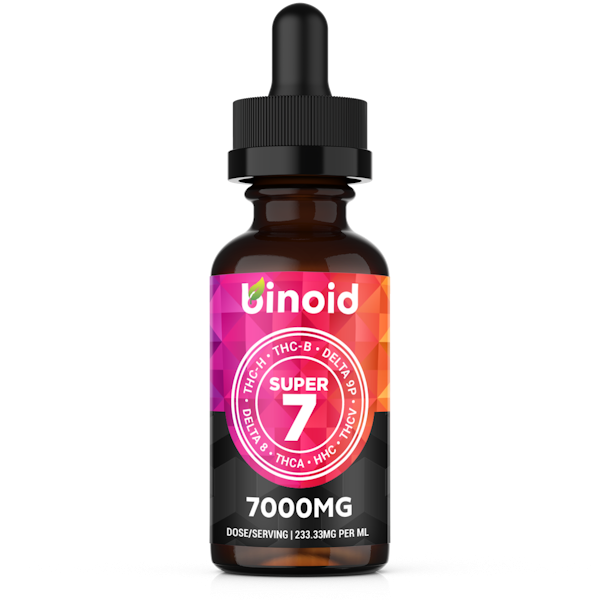
Binoid’s Super 7 Tincture packs 7,000mg total and combines THCA, THC-H, THC-B, HHC, Delta 8, Delta 9P, and THCV into one formula.
Because of its wicked strength, the recommended starting serving is just ¼ to ½ dropper. Expect to feel effects within the hour. If you’re after one of the most cannabinoid-packed tinctures available, this is a no-brainer.

Nick Karvounis / Unsplash
Although recreational use of cannabis remains illegal in Portugal, the country has decriminalized all drugs since 2001, including cannabis. This means that if you’re caught using cannabis, you won’t face criminal charges.
Medical cannabis is a separate story: Portugal approved a medical cannabis framework in 2018, and licensed pharmacies can dispense cannabis-based medicines to patients with qualifying prescriptions. It’s not realistically accessible to short-term tourists, but it exists.
Portugal was isolated from the world for nearly four decades under an authoritarian dictatorship until the 1974 Carnation Revolution. With one swift coup, they went from oppression to liberation. Refugees and soldiers came home from abroad, carrying with them the drug experimentation culture that had spread through the rest of the world at that time.
Drug use became synonymous with celebrating freedom. Portugal soon turned to harsh penalties and a conservative backlash against drug use.
But despite tactics like that, by 1999, 1% of the population was addicted to heroin. Drug-related AIDS deaths were higher than anywhere else in Europe. Now, health vans go around and offer safe alternatives for hard drugs. Drug-induced deaths are down dramatically, as are the rates of continuation of drug use.
According to data cited by the Transform Drug Policy Foundation, drug offenders in Portuguese prisons fell from over 40% in 2001 to 15.7% in 2019, below the European average as of that year.
If you are caught with less than a 10-day supply of anything from cannabis to heroin, you have to go to a meeting with a three-person Commission for the Dissuasion of Drug Addiction. The board usually consists of a lawyer, a doctor, and a social worker. The end result is usually no penalty, but sometimes there is recommended treatment or a minor fine. That’s it.

Thought Catalog / Unsplash
The 10-day supply limit for cannabis is 25 grams of dried cannabis or 5 grams of hash. You can carry that with you and not be arrested. Plain and simple. Growing cannabis is still illegal, and all other drug laws remain in place. So dealing is still illegal too, with a penalty of up to 12 years in prison.
A few practical nuances worth understanding before you arrive:
The other penalties for locals can include loss of the right to bear arms, loss of benefits or job, and other civil issues. Just because Portugal weed laws are tolerant does not make consumption fully accepted.
Hash is far more common than green herb. And with any gray market, you have to watch out for rip-offs and poor quality. Still, herb prices are somewhere around $20 for an eighth or 3.5 grams of weed. Cannabis is actually considered harder to get hold of here than in other European countries, and supply varies.
This is where Portugal’s framework actually shines, and where the question “Is weed legal in Portugal?” gets its most useful answer. Police don’t arrest you for personal-use amounts of cannabis in Portugal. They may confiscate your supply, identify you, and issue a citation.
That citation refers you to a CDT hearing (Comissão para a Dissuasão da Toxicodependência), a civil proceeding rather than a criminal one.
The panel includes three people: a legal professional, a health professional, and a social worker. There’s no prosecutor, no public defender, and no criminal record generated. Three possible outcomes:
Per the Transform Drug Policy Foundation, 83% of CDT cases result in suspended proceedings. First-time cases with small cannabis amounts almost always fall into this bucket.
If you’re a tourist and you receive a citation, read it carefully. The instructions matter, and if you’re unsure how to respond, seeking local legal guidance is worth considering before your court date or before leaving the country.

vidar nordii
A quick note before we get into where to actually source: language matters here. Cannabis in Portugal lives partly in slang, and knowing the right words is the difference between getting a polite shrug and a real conversation.
Standard terms:
Other terms you may hear:
Even if your Portuguese is shaky, dropping “erva” or “cânabis” in the right context means you’re not completely lost. Now, onto how to actually get weed in Portugal.

Credit: Lisboa Cool; Photo of the Bairro Alto area, located on Lisbon’s 7th hill.
There’s no licensed adult-use cannabis market in Portugal, so your sourcing options narrow to three: CBD and hemp shops, private cannabis social clubs, and street dealers.
Ranked from most reliable and lowest risk to least, the order is exactly that. If you’re trying to figure out how to get weed in Lisbon specifically, all three options apply, but the practical reality varies by neighborhood and connection.
When people talk about “local dispensaries” in Lisbon, what they actually mean is CBD and hemp boutiques. These shops are legal, well-stocked, and concentrated in Bairro Alto, Chiado, and Príncipe Real.
The CBD retail scene has expanded significantly over the past five years, and for most tourists looking for weed in Lisbon, this is the realistic answer. At established stores you’ll find: CBD oils and tinctures (typically 5 to 30% concentration), hemp flower with negligible THC, vapes, edibles, and topicals like creams and balms.
A few shops that come up consistently in cannabis traveler conversations: Green Culture in Bairro Alto, which is well-stocked and used to tourists. TABU CBD is one of the more established Portuguese hemp brands. Cannabis Store Amsterdam Lisboa, near the waterfront, carries a wide range of hemp products. Inventory, hours, and compliance details change, so confirm before you visit.
Pricing is reasonable by European standards. Expect a few euros for a CBD pre-roll, 15 to 30 euros per gram for quality hemp flower, and 20 to 50 euros for mid-range CBD oils.
One important caveat: not everything on the shelf is automatically legal. Portugal’s rules around CBD extracts, hemp flower, and edibles are more nuanced than “fully legal” framing implies. Product legality depends on category, plant part, and authorization status, and some items fall into a regulatory gray area.
The clear steer: stick to established boutiques in Bairro Alto, Chiado, and Príncipe Real. Convenience stores and souvenir shops selling cannabis-themed products are a whole different quality and compliance tier.
A lot of cannabis travelers arrive in Lisbon expecting something like Barcelona’s social club scene. They’re going to be disappointed. Lisbon’s social clubs are not that.
What they actually are: private membership associations where cannabis enthusiasts share product among members. The legal theory is that sharing within a closed, private space doesn’t constitute a commercial sale. In practice, these clubs operate in a legal gray zone and aren’t officially recognized under Portuguese law. They’re concentrated in Bairro Alto and Alfama but discreet by design, with no signage and no online booking.
Tourist access is genuinely hard. The clubs that exist typically require:
There is no app. There is no walk-in. If you’re in Lisbon for a long weekend, the social club route is not realistic. If you’re staying for a month and spending time in the right scenes, it’s definitely possible.
Street dealers are present and visible in tourist areas of Lisbon, especially Bairro Alto on weekend nights, Cais do Sodré, parts of Alfama, and the Baixa corridor. If you wander these neighborhoods after dark, you’ll almost certainly be approached.
The reality is that this is not a great route, for three connected reasons:
Avoid ordering online, too. There are plenty of scams out there, and Redditors often warn about specific companies known for ripping people off.
The bottom line on street sourcing: it’s the option of last resort. The CBD retail scene is lower risk and more reliable. Treat street dealers as a poor backup rather than a first move.
If you do manage to find flower while you’re in Lisbon, how you consume it matters just as much as where you got it, especially in a place where cannabis lives in a legal gray area.
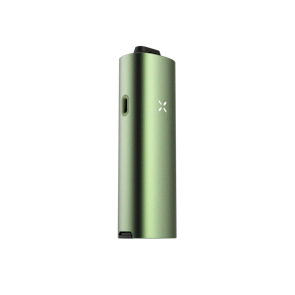
That’s where a dry herb vaporizer like the PAX FOUR makes sense. The sleek, compact design looks more like a premium tech gadget than anything cannabis-related, and the low-odor vapor production means you can take a hit without anyone sniffing it out.
Petal 1 keeps things especially discreet: minimal vapor, barely any smell, and a draw that won’t draw attention. The redesigned oven packs quickly and cleanly, so there’s no fumbling around when you want to be in and out fast. USB-C charging and a 50-minute battery mean it’s always ready when you are.
At $250, you’re getting serious stealth capability without giving up performance. It’s a total upgrade.
Not ready to drop $250? The All New PAX Mini offers the same low-odor vapor production in an even smaller package. And at $150, it’s nearly 40% less expensive.
At just 89 grams, the All New PAX Mini is one of the most discreet dry herb vaporizers on the market. It heats up in 22 seconds, fits in any pocket, and the sleek design looks like any other tech gadget. PAX doubled the oven capacity and added four heat modes, so you’re not sacrificing performance for portability. Perfect for keeping things low-key in Lisbon.

aayush gupta
Quick thing to clear up before going further: Lisbon has no cannabis cafés. You won’t find a coffeeshop menu anywhere in the city. Public consumption is technically illegal throughout Portugal, but enforcement in quiet areas away from tourist corridors is genuinely minimal in practice. Here’s how to navigate this without inviting trouble.
Private rentals with outdoor space are the safest and most comfortable option. Note that Airbnb and short-term rental host policies vary, so check house rules before assuming the terrace is fair game. Many Lisbon apartments have outdoor space (terraces, gardens, small balconies) that offer discretion from the street, which is exactly what you want.
Quieter outdoor spots can work too, though always at your own risk. Parks and viewpoints during off-peak hours, away from families and tourist corridors, are more tolerable in practice than the busy miradouros at sunset. Discretion still matters everywhere.
Environments to avoid:
For travel between cities or stretches when your flower needs to stay fresh between sessions, the Nugidor by Pop-Vac is perfect. The borosilicate glass jar uses patented vacuum-seal technology that’s lab-tested to preserve flower 3x better than standard containers.
The silicone sleeve protects against drops during travel, the carabiner clip attaches to bags, and the child-resistant lid keeps everything secure and smell-proof. The humidor disk is clutch for longer trips. While it’s meant to rehydrate flower within 24 hours, it’s great for ensuring moisture while you’re away. Just add one drop of water with the included pipette before you leave.
Available in Sage, Space Queen, and Tangerine Dream colors, the Nugidor by Pop-Vac maintains quality way better than basic jars—and it’s ready to pop open when you return.
Lisbon’s neighborhoods each carry their own personality, and some align more naturally with cannabis culture than others. Here’s where to focus.
Bairro Alto is the epicenter of Lisbon’s nightlife and the neighborhood most associated with cannabis in the tourist imagination. The winding streets fill with people from 10 PM onward, music spills from bars, and the general atmosphere is bohemian and celebratory. CBD shops are scattered throughout, and the social fabric is relaxed. The flip side: tourist concentration means some police presence is not uncommon, especially on weekends.
Príncipe Real is Lisbon’s most sophisticated neighborhood, with shops, restaurants, and a Saturday organic market. The CBD and hemp retail scene here is higher-end, better for people who want quality and cultural credibility in the same trip.
Mouraria is one of Lisbon’s oldest and most culturally layered neighborhoods. Birthplace of fado, historically home to diverse immigrant communities, and increasingly a hub for creative energy. Cannabis culture exists here more organically, embedded in the social life of a genuine working neighborhood rather than a tourist quarter.
Alfama carries much of the same historical depth as Mouraria, with more tourists mixed in. The hilltop location and winding streets create natural pockets of privacy if you know where to look.
Intendente has changed a lot in recent years and now hosts a mix of artistic studios, multicultural restaurants, and independent shops. The weed creative community here is genuine, with the social scene that comes with it.
Wherever you end up consuming, discretion is part of the deal, especially if you’re one to take a sesh indoors. That’s where the MJ Arsenal Houdini Smoke Filter actually earns its place in a travel kit.
The compact handheld filter uses carbon filtration and smoke reclamation technology to trap odor before it lingers in the air, helping keep your sessions noticeably more low-key. It’s designed for up to 200 exhales per filter, making it practical for longer trips instead of feeling like a novelty gadget you toss after a weekend.
For balcony sessions, tucked-away outdoor spots, or situations where you simply don’t want to leave a trail behind, it solves a very real problem travelers run into constantly: cannabis smell carries fast in Lisbon’s dense apartment neighborhoods.

claudio schwarz
Buying weed in Lisbon in 2026 is possible. It’s just not what most tourists expect when they arrive. There are no dispensaries, no coffeeshops, no app for cannabis social clubs.
If you’re still wondering how to get weed in Portugal as a tourist, the most reliable path is to lean into the CBD and hemp shops in Bairro Alto, Chiado, and Príncipe Real. Treat the social clubs as a slow-build option that requires real local connections. Treat street dealers as a last resort.
Carry less than you need, consume privately, and avoid the heavily trafficked tourist corridors when you light up. If you do get a citation, read it carefully and seek local legal guidance. The Lisbon weed experience rewards travelers who treat it as one thread in a much bigger trip, not the centerpiece of one.

Paulo Evangelista
Yes, with caveats. There’s no licensed adult-use retail market in Portugal, so you can’t buy cannabis at a dispensary. CBD and hemp products are widely available at boutiques in Lisbon. Recreational cannabis flower is generally sourced through gray-market channels like social clubs or street dealers, both of which come with their own friction.
Recreational cannabis is not legal in Portugal, but personal possession is decriminalized. Tourists caught with up to 25 grams of cannabis flower or 5 grams of hash face an administrative hearing rather than arrest or criminal charges. Buying, selling, and distributing cannabis remain illegal regardless of quantity.
No. There are no licensed adult-use cannabis dispensaries in Lisbon or anywhere in Portugal as of 2026. The country has a developing medical cannabis system for prescription patients, but no adult-use retail market. CBD and hemp shops are widely available throughout the city and stock everything from oils and tinctures to hemp flower, vapes, edibles, and topicals.
If you’re carrying a personal-use amount, you won’t be arrested. Police may confiscate your supply, identify you, and issue a citation to appear before a regional Dissuasion Commission, a civil panel rather than a criminal court. The vast majority of first-time cases involving small cannabis amounts result in suspended proceedings with no sanction. In some cases, police may temporarily detain someone for identification purposes. If you’re a tourist and receive a citation, read it carefully and seek local legal guidance.
Access is meaningfully harder than in some other European cities. Lisbon’s social clubs operate in a legal gray zone, typically require a local member to vouch for you, and don’t market themselves through any organized booking process. Reliable tourist access without existing local connections is genuinely tough to arrange in advance. It usually develops through spending time in the right social environments (music venues, cultural events, cannabis-adjacent neighborhoods) rather than through any quick channel.

Julian Dik
For more than a decade, Herb has been a gathering place for people who love, use, and are simply curious about cannabis. What started as a small corner of the internet has grown into a community where millions come to learn, share, and stay connected to cannabis culture.
Here’s what you can tap into at Herb:
Stay connected with the Herb community by subscribing to our newsletter, following us on Instagram, and X for the latest in cannabis lifestyle and culture.