How to Buy Weed in Bangladesh: Dhaka’s Cannabis History & What Travelers Risk
Bangladesh went from Asia's largest legal cannabis producer to strict prohibition. Here is the real legal risk for travelers, plus the lost ganja history behind it.
If you are searching for how to buy weed in Bangladesh, stop here. Unlike destinations covered in Herb’s cannabis guides, Bangladesh enforces some of the harshest drug penalties in the region. Cannabis offenses carry prison sentences and fines under the Narcotics Control Act, 2018, and drug penalties in Bangladesh are severe. There are no dispensaries, no medical programs, and no tolerance for tourists.
What exists instead is a fascinating 200-year history of legal cannabis cultivation that ended abruptly in 1987, leaving behind economic disruption and the strict prohibition that persists today. This guide covers the law as it actually reads, the real risks for travelers, and the history that made Bangladesh one of the most surprising chapters in global cannabis agriculture.
If there’s one major takeaway from this guide, it’s that Bangladesh is not the place to bring, buy, or use cannabis in any form. Flower, concentrate, CBD, or anything else containing cannabinoids is a strict no-go. The penalties are real and enforced—no amount of discretion is worth the potential risks involved.
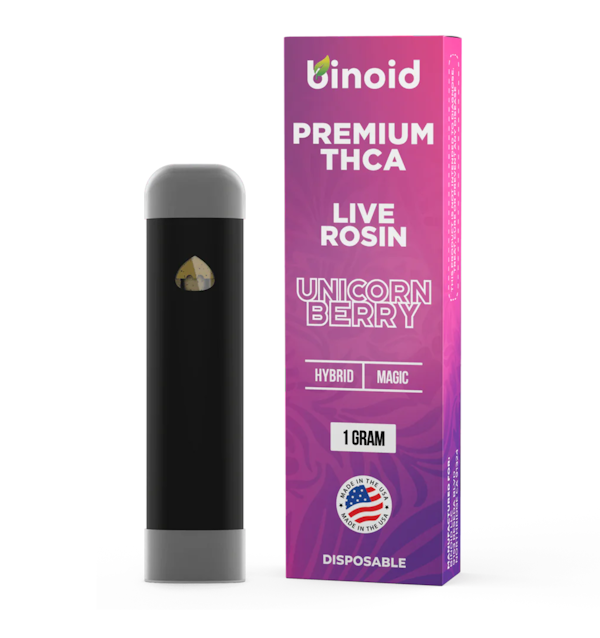
But “avoid it here” doesn’t mean “avoid it forever.” For travelers heading home to a state where hemp-derived cannabinoid products are legally sold, Binoid’s THCA Live Rosin Disposables Vapes (1g) are worth a look.
Featuring 99% THCA distillate paired with live rosin cannabis terpenes, it delivers rich strain-specific flavor in a convenient, maintenance-free disposable.
Available in six terpene profiles, including Berry, Sour Pebbles, Space Cake, and Strawberry Milk, each device combines potent THCA with premium live rosin terpenes for a full-flavor vaping experience.
Herb readers get 25% off with code HERB25 at Binoid.
Cannabis is illegal for recreational use in Bangladesh under the Narcotics Control Act, 2018, with no tourist or foreign medical-cannabis pathway.
Penalties for prepared ganja/bhang escalate by quantity and may reach 7 to 10 years’ imprisonment for quantities over 15 kg, along with fines.
Do not bring CBD products to Bangladesh. Cannabinoid products should be treated as unsafe to import unless confirmed in writing by Bangladeshi authorities.
Bangladesh’s Naogaon District was colonial South Asia’s largest legal cannabis cultivation zone from the 1780s until prohibition in 1987, with the Ganja Society organizing roughly 7,000 grower families at its peak.
Foreign medical cannabis prescriptions have no legal recognition in Bangladesh, and travelers who violate drug laws may be arrested, prosecuted, fined, imprisoned, and/or deported.
Understanding Bangladesh's Cannabis History and Cultural Context
ashraful islam
Bangladesh’s relationship with cannabis spans centuries, which makes the country’s current prohibition particularly striking. Before the 1987 ban, the nation operated one of the world’s most organized legal cannabis industries, a history largely unknown outside academic circles.
The Colonial Cannabis Capital
The Naogaon District in northwestern Bangladesh served as the single largest cannabis cultivation zone in colonial South Asia. During the British Raj, cannabis cultivation was considered “as legal as paddy” and significantly more profitable than most other agricultural crops.
Key historical facts:
Origins. Seeds were introduced to Naogaon from Jessore District in the late 18th century.
Formal industry. Commercial production was formally established in 1906.
Cultivation areas. Primary zones included Naogaon, Mahadevpur, Badalgachi, and Adamdighi.
Production scale. Annual output averaged roughly 55,000 maunds (about 2,000 metric tons) between 1918 and 1947.
Colonial revenue. Revenue reached about ₹66 lakh annually before 1947.
The Ganja Society: A Government Monopoly
In 1917, the British Raj established the Naogaon Ganja Cultivators’ Co-operative Society Limited to organize cultivation, processing, warehousing, and marketing. This cooperative functioned as a government monopoly buyer, with all legal ganja sold through the Society at fixed prices.
The Society’s impact:
Livelihoods. Provided stable income for approximately 50,000 people across roughly 7,000 families.
Infrastructure. Financed local infrastructure including bridges and roads.
Famine support. Helped support the population during the 1943 Bengal Famine.
Operations. Maintained warehouses in Naogaon city, with the main office modeled on Kolkata’s Writers’ Building.
For cannabis enthusiasts interested in how different regions cultivated unique cannabis strains, Naogaon’s legacy represents a lost chapter in global cannabis agriculture.
Traditional and Spiritual Use
getty images
Cannabis use among Sufis and Baul mystics has a centuries-long tradition in Bengal, linked to spiritual practice rather than recreation. Traditional folk medicine practitioners historically used cannabis for respiratory issues, chronic pain, sleep disorders, and anxiety symptoms, though this traditional use carries no legal protection today.
Navigating the Legal Landscape: Cannabis Laws in Bangladesh
Understanding Bangladesh’s drug laws is not optional for travelers. It is essential for avoiding arrest and imprisonment. Cannabis is illegal for recreational use, and travelers should not bring, buy, possess, or consume it. The Narcotics Control Act, 2018 broadly prohibits cultivation, import/export, sale, possession, and use of narcotics without authorization.
The Act controls narcotics listed in its First Schedule. Ganja/bhang plant material is treated under Class B provisions in the penalty table, rather than under the US-style “Schedule I” framework that some summaries incorrectly apply. Concentrates, extracts, THC, CBD, and other cannabinoid products should be assumed controlled and verified separately against the current official schedule.
Current Penalty Structure
The penalty bands below reflect the Narcotics Control Act, 2018 for ganja/bhang and should be confirmed against the current official text before relying on them.
No tourist pathway. Any narrow license, permit, or pass framework under the Act is for authorized purposes only and is not a tourist or foreign medical-cannabis pathway.
Treat CBD as unsafe to import. Because CBD’s treatment may depend on product composition and official classification, assume CBD oils, edibles, vapes, and cannabinoid products are unsafe to bring unless confirmed in writing by Bangladeshi authorities.
Foreign prescriptions invalid. Medical cannabis cards from other countries have no legal validity in Bangladesh.
Trafficking charges. May apply for attempting to cross borders, possessing amounts deemed commercial, or distributing to others.
Note on severity: other Class A narcotics may carry heavier penalties at specified thresholds, but the commonly repeated claim that cannabis possession over 2 kg carries the death penalty appears outdated or unsupported under the current 2018 Act for ordinary ganja/bhang material.
The Path to Prohibition
Bangladesh’s transformation from cannabis producer to prohibitionist state occurred through a series of legislative actions:
Year
Event
Impact
1974
Bangladesh signs international anti-narcotics agreement
Legal commitment to phase out cannabis
1987
Cultivation ban enacted
All legal ganja farming prohibited
1989
Nationwide sale banNationwide sale ban
Complete prohibition; underground market emerges
1990
Narcotics Control Act 1990
First comprehensive drug law
2018
Narcotics Control Act 2018
Current controlling law; expanded penalty framework
1974
Event
Bangladesh signs international anti-narcotics agreement
Impact
Legal commitment to phase out cannabis
Traveler Risks in Dhaka: What Tourists Need to Know About Cannabis
austin curtis
Foreign nationals face serious consequences if caught with cannabis in Bangladesh. Travelers who violate local drug laws may be arrested, prosecuted, fined, imprisoned, and/or deported, and consular officials cannot override local law.
Border and Airport Screening
Bangladesh enforces customs and narcotics laws at airports and land borders. Travelers should assume baggage and personal items may be inspected at any entry point.
Hazrat Shahjalal International Airport (Dhaka). The country’s main international gateway, with customs and narcotics enforcement.
Shah Amanat International Airport (Chittagong). Standard customs screening.
Benapole Land Border (India to Bangladesh). High-volume crossing with customs checks.
Akhaura Land Border (India to Bangladesh). Active customs and enforcement presence.
What Happens If You Are Arrested
The arrest process for foreigners tends to follow a difficult and slow pattern:
Detention by police or customs officials.
Transfer to Department of Narcotics Control custody.
Criminal charges filed under the Narcotics Control Act, 2018.
Pre-trial detention, with bail difficult to obtain for drug charges.
Trial in a Bangladeshi court, where proceedings may take months or years.
Sentencing if convicted.
Possible deportation following the conclusion of the legal process.
Do not rely on bribery. While some sources mention police corruption, attempting to bribe officials is itself a serious crime that may result in additional charges. This is not a viable safety strategy for foreigners.
Items to Absolutely Avoid Bringing
Herb
Prohibited items include:
Cannabis flower. Marijuana of any amount.
Concentrates. Hash, wax, shatter, and oils.
THC products. In any form.
CBD products. Oils, topicals, and edibles should all be treated as unsafe to import.
Cannabis-derived medications. Even with home-country prescriptions.
Hemp products. Anything containing cannabinoids.
Smoking accessories. Items with cannabis residue.
Staying Safe Abroad: General Advice for Cannabis Users Traveling to Restrictive Countries
For regular cannabis consumers visiting Bangladesh or similar jurisdictions, preparation is essential. Herb’s educational resources can help you understand global cannabis laws, but here are universal precautions.
Before Departure
Research local laws thoroughly. Legal status varies dramatically between neighboring countries.
Consult your doctor. Discuss non-cannabis alternatives for pain management, sleep, or other conditions.
Bring alternative medications. Pack legal medications in original pharmacy packaging with prescriptions.
Contact the embassy. Reach out to Bangladesh’s embassy or consulate with specific medication questions.
Secure travel insurance. Ensure coverage includes legal assistance abroad.
During Your Stay
Avoid all cannabis-related activities. No purchases, no consumption, no transport.
Maintain embassy contact information. The U.S. Embassy in Dhaka lists an after-hours emergency contact of +88-2-5566-2000, press “3.”
Understand embassy limitations. Consular services can provide lawyer lists and visit detained citizens but cannot override local laws or secure release.
Document your legal medications. Carry prescriptions and doctor’s notes for any controlled substances you are legally carrying.
For Medical Cannabis Patients
If you use medical cannabis at home, Bangladesh offers no legal substitutes:
No program. There is no consumer-facing medical cannabis program.
No approved products. No approved CBD products are available through retail.
No exemptions. Traditional medicine exemptions do not apply.
Plan ahead. Pharmaceutical alternatives must be sourced before travel.
Understanding the Bengali Approach to Public Conduct and Illicit Substances
austin curtis
Beyond written laws, Bangladesh’s social and cultural norms create additional layers of risk for would-be cannabis users. Public perception of drug use carries significant stigma, influenced by religious values and community standards.
Social Context
Cannabis use remains deeply stigmatized in mainstream Bangladeshi society:
Values. Strong religious and family values oppose intoxicant use.
Community reporting. Public consumption invites community reporting to authorities.
No safe discretion. Discretion provides no protection from legal consequences.
Added scrutiny. Foreign status can draw additional attention from locals and police.
The Lalon Festival Context
Some reporting describes cannabis use among Baul devotees at Lalon-related gatherings in Kushtia District, held in memory of the mystic Fakir Lalon Shah. This does not create a legal exemption. Travelers should not interpret any cultural practice as permission to possess or consume cannabis. In particular, this context:
Is not legal cover. Cannabis remains illegal regardless of the occasion.
Is not protection. It does not guarantee protection from arrest.
Is not for travelers. It should not be relied upon by foreign visitors.
The Reality of 'Buying Weed' in Bangladesh: What to Expect and Avoid
meraj rubda
This section exists not to guide purchases but to warn against them. Unlike legal dispensaries in regulated markets, Bangladesh has no legitimate cannabis retail, only dangerous underground networks.
Black Market Dangers
Attempting to purchase cannabis in Bangladesh exposes you to:
Arrest risk. Dealers may be informants or undercover officers.
Scams and fraud. No consumer protections exist for illegal transactions.
Adulterated products. No quality control, testing, or safety standards.
Inflated prices. Foreigners face extreme markup and targeted enforcement.
Violence. Criminal networks operate outside any legal framework.
Recent Enforcement Actions
Bangladesh maintains active drug enforcement. A 2018 anti-narcotics campaign resulted in thousands of arrests and numerous deaths in police encounters within a short period. Ongoing operations focus primarily on methamphetamine (yaba) but include cannabis enforcement.
Illicit Cultivation Regions
Illicit cultivation is associated with:
Northwestern region. Naogaon, Rajshahi, Jamalpur, and Netrokona Districts, the legacy cultivation areas.
Southeastern region. Chittagong Hill Tracts, Cox’s Bazar, Bandarban, Khagrachhari, and Rangamati Districts.
These areas feature remote terrain, border proximity to Myanmar, and weak state presence, none of which makes them safe for tourists.
Cannabis for Medical or Recreational Use: No Legal Avenues in Bangladesh
Unlike countries with evolving cannabis policies, Bangladesh maintains broad prohibition. There is no consumer-facing framework for:
Medical prescriptions. No medical cannabis prescriptions are issued.
Therapeutic exemptions. No therapeutic use exemptions exist.
Public research access. Any scientific research or authorized use would require approval under Bangladesh’s narcotics licensing framework and should not be treated as public access.
CBD sales. No approved retail CBD market exists.
Hemp. No hemp cultivation or product framework for consumers.
Regional Comparison
Bangladesh’s stance appears particularly strict compared to several neighbors:
Country
Cannabis Legal Status
Bangladesh
Illegal; penalties escalate by quantity
India
Illegal, though bhang is exempted in some states
Thailand
Cannabis policy has changed repeatedly since 2022; verify current rules before travel
Nepal
Illegal but widely tolerated
Pakistan
Illegal; uneven enforcement
Bangladesh
Cannabis Legal Status
Illegal; penalties escalate by quantity
For travelers seeking cannabis-friendly destinations, numerous jurisdictions offer legal access. Bangladesh is not among them. Explore Herb’s coverage of legalization news to find regions with progressive policies.
Staying Informed: Monitoring Cannabis Law Changes for Future Travel
al amin mir
Cannabis laws evolve rapidly worldwide. While Bangladesh shows no immediate signs of reform, monitoring developments helps travelers make informed decisions.
Sources for Updates
Government announcements. The Department of Narcotics Control maintains official communications.
Travel advisories. The US State Department and other foreign ministries issue updated warnings.
Legislative tracking. Monitor international drug policy reform organizations.
Signs of Potential Change
Global factors that could eventually influence Bangladesh include:
Regional trends. Shifting cannabis policy across South and Southeast Asia.
Treaty shifts. International treaty renegotiations.
Research acceptance. Wider medical cannabis research acceptance.
Economic arguments. Calls from former cultivation communities like Naogaon.
However, no credible sources suggest imminent policy changes. Plan all Bangladesh travel assuming complete prohibition will continue.
Why Herb Helps Cannabis Enthusiasts Stay Informed
While this article necessarily focuses on what you cannot do in Bangladesh, Herb exists to help you understand the global cannabis landscape, including where safe, legal options exist.
Herb provides:
Comprehensive strain information. Learn about thousands of varieties through the strain database, useful knowledge for when you reach cannabis-friendly destinations.
For travelers who use cannabis regularly, Herb’s resources help you identify destinations where legal access exists and understand local regulations before you arrive. The platform’s focus on education means you will have the knowledge needed to make responsible decisions, including the decision to avoid cannabis entirely in prohibition countries like Bangladesh.
Final Verdict
Bangladesh is a country with deep cultural richness and a remarkable cannabis history, but legal access is not part of what it offers travelers today. Here is how the decision breaks down for cannabis-conscious visitors:
Planning a trip centered on cannabis? Bangladesh is the wrong destination. There is no legal pathway, and the risks of the underground market are serious.
Traveling for culture, history, or business? You can have an excellent trip. Skip cannabis entirely, leave all cannabinoid products at home, and engage with the country on its own terms.
A medical cannabis patient? Source pharmaceutical alternatives before you travel, carry them in original packaging with documentation, and do not assume any cannabis or CBD product will be tolerated.
Curious about the history? Naogaon’s story as colonial South Asia’s cannabis capital is genuinely worth understanding, and it can be appreciated without any legal risk.
The honest answer to “how to buy weed in Bangladesh” is that you cannot do so legally, and the underground market carries real consequences. For destinations where cannabis access is legal and well-developed, Herb’s guides section has the full picture.
Frequently Asked Questions
Is cannabis legal in Bangladesh, including for medical purposes?
No. Cannabis is illegal for recreational use under the Narcotics Control Act, 2018, and there is no consumer-facing medical cannabis program. Foreign medical cannabis cards have no legal validity, no dispensaries operate, and any narrow license or permit framework under the law is not a tourist or foreign medical pathway. Patients requiring cannabinoid therapy should source alternative medications before travel.
What are the penalties for a tourist caught with cannabis in Dhaka?
Tourists face the same penalties as residents. For prepared ganja/bhang, penalties escalate by quantity: 6 months to 5 years for up to 5 kg, 5 to 7 years for over 5 kg up to 15 kg, and 7 to 10 years for over 15 kg, along with fines. Foreign travelers who break local drug laws may be arrested, prosecuted, fined, imprisoned, and/or deported. Embassies cannot secure early release or override local laws. The commonly repeated “death penalty over 2 kg” claim for ordinary cannabis appears outdated under the current 2018 Act.
Are there any cultural exceptions for cannabis use in Bangladesh?
No legal exemption exists for any form of cannabis. Some reporting describes cannabis use among Baul devotees at Lalon-related gatherings, but this does not create legal protection and should not be relied upon by foreign travelers. Traditional bhang preparation has historical significance in South Asian culture, but it carries no legal standing in Bangladesh today.
Can I bring CBD products into Bangladesh?
Treat CBD as unsafe to import. The U.S. State Department warns that possessing or importing drugs is illegal, including medical marijuana, and Bangladesh’s narcotics law broadly controls scheduled substances. Because CBD’s treatment may depend on product composition and official classification, assume CBD oils, edibles, vapes, and other cannabinoid products are not permitted unless you have written confirmation from Bangladeshi authorities.
What specific risks do foreign travelers face if they try to buy cannabis in Dhaka?
Beyond legal penalties, foreign travelers face scams from dealers who may be informants, potential violence from criminal networks, adulterated products with no quality control, and targeted enforcement against tourists seen as easy marks. Bangladesh’s 2018 enforcement campaign demonstrated the government’s willingness to use aggressive tactics. Attempting to bribe officials is itself a serious crime that may result in additional charges.
This article is for informational purposes only and does not constitute legal advice. Cannabis laws vary by jurisdiction and are subject to change. Always verify current regulations with official sources before traveling. Herb does not encourage the purchase or use of cannabis in jurisdictions where it is illegal.